


Understanding Noise Phobia in Pets
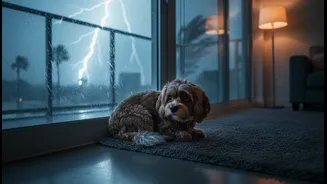
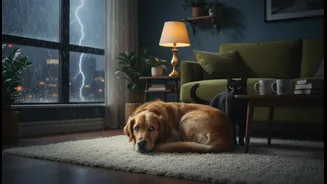
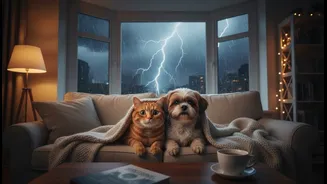
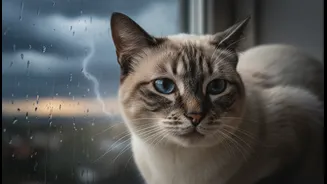
That familiar tremble when the rain starts, the pacing, and the desperate search for a hiding spot are all signs of astraphobia, or fear of thunderstorms. For dogs and cats, the monsoon isn't just rain; it's a sensory assault. Their hearing is far more
sensitive than ours, meaning the low-frequency rumbles of distant thunder can feel like the world is shaking. It's not just the sound. Pets can also sense the drop in barometric pressure and the buildup of static electricity in the air, which can cause uncomfortable shocks to their fur and nose. Flashes of lightning, heavy winds, and the smell of ozone created by lightning strikes all combine in what's known as 'trigger stacking', overwhelming their senses and kicking their survival instincts into high gear.
The Comfort of a Denning Instinct
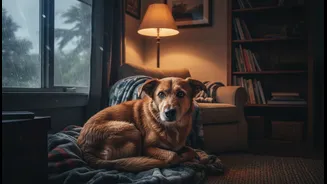
When faced with this sensory overload, many pets retreat to a small, dark space, like under a bed, inside a closet, or behind a sofa. This isn't a sign of disobedience; it's a powerful, deeply rooted behaviour known as the denning instinct. Their wild ancestors, like wolves and wild cats, would seek out sheltered dens to rest, give birth, and feel safe from predators and the elements. This instinct remains strong in our domestic pets. An enclosed space provides a sense of security and control. By retreating to a 'den', your pet is trying to create a predictable environment where they can feel protected and disconnect from the overwhelming and unpredictable storm outside.
How Darkness and Muffled Sound Help
A dark corner is more than just a hiding spot; it's a tool for sensory relief. Darkness helps by reducing visual stimuli. With the curtains drawn or in a windowless space like a bathroom or closet, your pet is shielded from the startling flashes of lightning that often accompany thunder. Similarly, these enclosed spaces help muffle sound. The thick walls of a closet or the blankets piled in a crate can dampen the sharp cracks of thunder, reducing the auditory assault on their sensitive ears. This reduction in sensory input helps to calm a pet's overstimulated nervous system, allowing their heart rate to slow and their anxiety to decrease. It gives them a chance to regulate their emotions and recover from the panic.
Create the Perfect Monsoon Safe Space
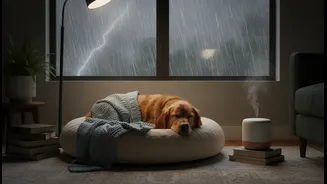
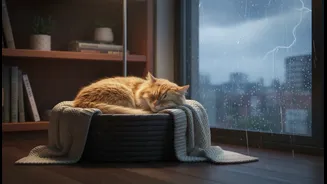
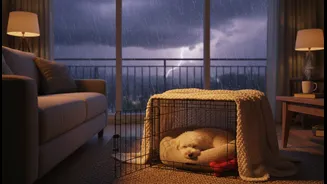
You can help your pet by leaning into their instinct and creating an appealing safe space before a storm hits. This is especially helpful in apartments where space can be limited. A crate covered with a heavy blanket makes an excellent, cave-like den. Place it in a quiet part of the house, away from windows. If you don't use a crate, consider the space under a desk or table, draped with a sheet. The inside should be comfortable, with their favourite soft bedding and perhaps a piece of your clothing that carries your reassuring scent. Make sure the space is always accessible, especially when you're not home, so they can retreat there whenever they feel scared. Introduce this space with treats and praise during calm weather to build a positive association.
Beyond the Corner: Additional Calming Tips
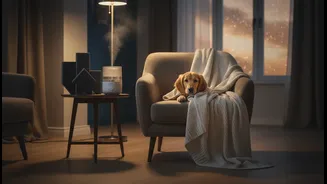
While a safe space is crucial, you can provide further comfort. Playing calming classical music or turning on a fan can create white noise to mask the storm's sounds. Distraction can also be a powerful tool. If your pet is only mildly anxious, engaging them in a quiet indoor game or offering a long-lasting chew toy can help take their mind off the noise. Anxiety wraps or 'thunder shirts' apply gentle, constant pressure, which can have a soothing effect similar to swaddling a baby for some pets. Most importantly, remain calm yourself. Pets are very attuned to our emotions, and if you are anxious, they will be too. Offer quiet reassurance, but avoid excessive fussing, which can sometimes reinforce their fear.