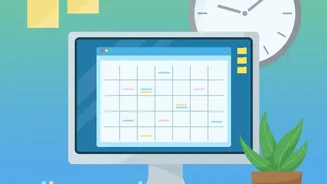








Get a Clear Picture of Your Debt
The first step to managing EMIs is to know exactly what you owe. Create a simple spreadsheet listing every active loan. For each one, note the lender, outstanding principal, interest rate, EMI amount, and due date. This central dashboard gives you a complete
view of your liabilities, moving them from a vague worry to a concrete list you can tackle. Many people underestimate how much of their income is committed until they see it all in one place. This clarity is crucial for making a realistic plan.
Follow a Clear Budgeting Rule
A popular and effective method for Indian households is the 50/30/20 rule. Allocate 50% of your take-home salary to 'Needs,' which includes essentials like rent, groceries, and your mandatory EMI payments. The next 30% is for 'Wants,' such as dining out, shopping, and entertainment. The final 20% should go towards 'Savings and Debt Repayment,' which you can use to prepay high-interest loans or build an emergency fund. This framework helps ensure your lifestyle spending doesn't crowd out your financial obligations.
Automate Smartly and Set Alerts
While setting up auto-debit for EMIs is a good way to avoid late fees, smart automation goes further. Schedule auto-debit dates for a day or two after your salary is credited to ensure sufficient funds. More importantly, set up calendar or mobile banking reminders for a few days before each EMI is due. This proactive alert helps you consciously track the outflow, preventing the 'out of sight, out of mind' problem that leads to overspending the remaining balance.
Prioritise High-Interest Loans
Not all debt is created equal. Credit card EMIs and personal loans often carry much higher interest rates than home or car loans. If you have any surplus cash from a bonus or other source, use it to make part-prepayments on these expensive loans first. This strategy, sometimes called the 'debt avalanche' method, reduces your overall interest burden and helps you become debt-free faster. Tackling high-interest loans early can save you a significant amount of money over the loan's tenure.
Consider Debt Consolidation
If you're struggling to manage multiple payment dates and varying interest rates, debt consolidation could be a solution. This involves taking a single new loan, often a personal loan, to pay off all your other existing debts. The result is one EMI to a single lender, which simplifies repayments and can sometimes offer a lower overall interest rate. However, this strategy works best if your challenge is managing complexity, not a lack of income.
Build an EMI Emergency Fund
Unexpected events like a job loss or a medical emergency can derail your repayment capacity. To protect yourself, create an emergency fund specifically for your EMIs. Aim to save an amount equivalent to at least three to six months of your total EMI outflow. This financial cushion acts as a safety net, allowing you to continue making payments without taking on new, high-interest debt during a crisis. It's one of the most crucial yet often overlooked aspects of responsible loan management.