







A Hunger for Authenticity
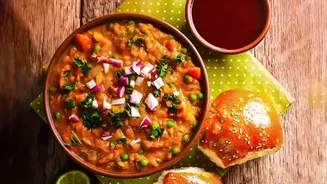
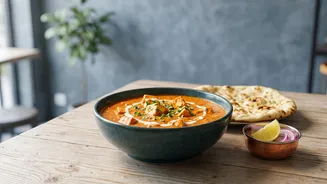
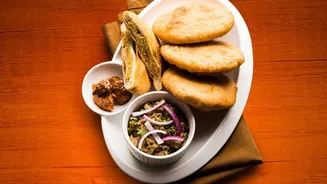
After years of standardised menus, a significant portion of Indian consumers are now actively seeking authenticity and culturally rooted food experiences. This isn't just about food; it's about identity. Diners are showing a strong preference for local
and authentic offerings that tell a story. They are drawn to hyper-regional dishes, forgotten recipes, and traditional cooking methods that offer a genuine taste of India's vast culinary diversity. This shift shows a move away from generic menus toward flavours that feel familiar and trustworthy, creating a stronger emotional connection with customers. Experts note that consumers are increasingly drawn to products that highlight specific origins, such as kokum from the Konkan coast or chillies from Kashmir.
The Social Media & Discovery Effect
The modern Indian diner is well-informed, often turning to social media and online discovery platforms before deciding where to eat. In fact, a reported 84% of Indian guests rely on social media to find new restaurants. This digital landscape has levelled the playing field. Independent restaurants can now build a significant following and showcase their unique offerings through compelling visuals and customer reviews, competing for visibility against large chains without needing a massive advertising budget. Food bloggers and Instagram influencers have become powerful voices, capable of turning a neighbourhood gem into a must-visit destination. This word-of-mouth, amplified by digital channels, is crucial for smaller brands.
The Rise of the Delivery Ecosystem
Food delivery apps like Zomato and Swiggy have revolutionised the industry, giving local restaurants unprecedented reach. These platforms have become a primary channel for restaurant discovery, allowing small and local eateries to gain visibility and access a vast customer base that was previously out of reach. This has been particularly transformative for cloud kitchens—delivery-only establishments with lower overhead costs—which have boomed in response to the delivery trend. While the high commission fees can be a challenge for small operators, these apps have undeniably democratised food access, allowing a family-run biryani spot to compete with a multinational pizza chain for a customer's Friday night order.
Agility and Economic Sense
Local brands often possess an agility that larger chains lack. They can adapt their menus more quickly to cater to micro-local tastes and seasonal ingredients. Furthermore, they often have a more optimised cost structure, especially when leveraging franchise models or cloud kitchens. For many regional brands, franchising has become a powerful tool for expansion, allowing them to scale using the capital and local market knowledge of partners. This is particularly effective in Tier-2 and Tier-3 cities, where consumers are increasingly seeking branded food experiences but have a strong affinity for culturally familiar brands. This nimble approach allows them to expand faster with a lower capital burden.
A Shift in Consumer Values
Beyond just taste, the trend reflects a broader shift in consumer values. There's a growing desire to support local businesses and contribute directly to the local economy. Diners are also becoming more health-conscious and transparent, preferring brands that use clean, fresh, and locally-sourced ingredients. Reports show a strong preference for “clean, transparent, and local” food over ultra-processed options. This consciousness extends to sustainability, with a significant number of diners inquiring about ingredient sourcing and eco-friendly practices. Local brands, with their often shorter and more transparent supply chains, are well-positioned to meet this demand for food that feels both good and good for you.