



The Full Moon's Grand Finale
The highlight for the remainder of August is undoubtedly the full moon. Mark your calendars for August 28, when the moon will be fully illuminated. While a partial lunar eclipse will also occur on this date, it will unfortunately not be visible from India.
The moon will be in its waxing gibbous phase in the days leading up to the 28th, growing brighter each night. After reaching its peak, it will begin to wane, transitioning to its third quarter phase in early September. A full moon's light can make it harder to see fainter stars, but its own beauty is a spectacle worth observing. For the best views, look up after sunset as it rises in the eastern sky.
A Parade of Planets Before Dawn
The early morning hours are a treat for planet spotters this month. Before the sun rises, look towards the eastern sky to catch a glimpse of several planets. Mars and Saturn will be the easiest to see with the naked eye. Mars, known for its reddish hue, will be high in the sky before dawn. Mercury and Jupiter will also be present, but they will be very low on the horizon, making them a challenge to spot, especially with the approaching morning light. For those with binoculars, Uranus is a possible target, while a telescope is needed to find the distant Neptune. The best time to look is about 30 to 60 minutes before your local sunrise, giving your eyes enough time to adjust to the darkness without the sun interfering.
Catching the Tail End of a Meteor Shower
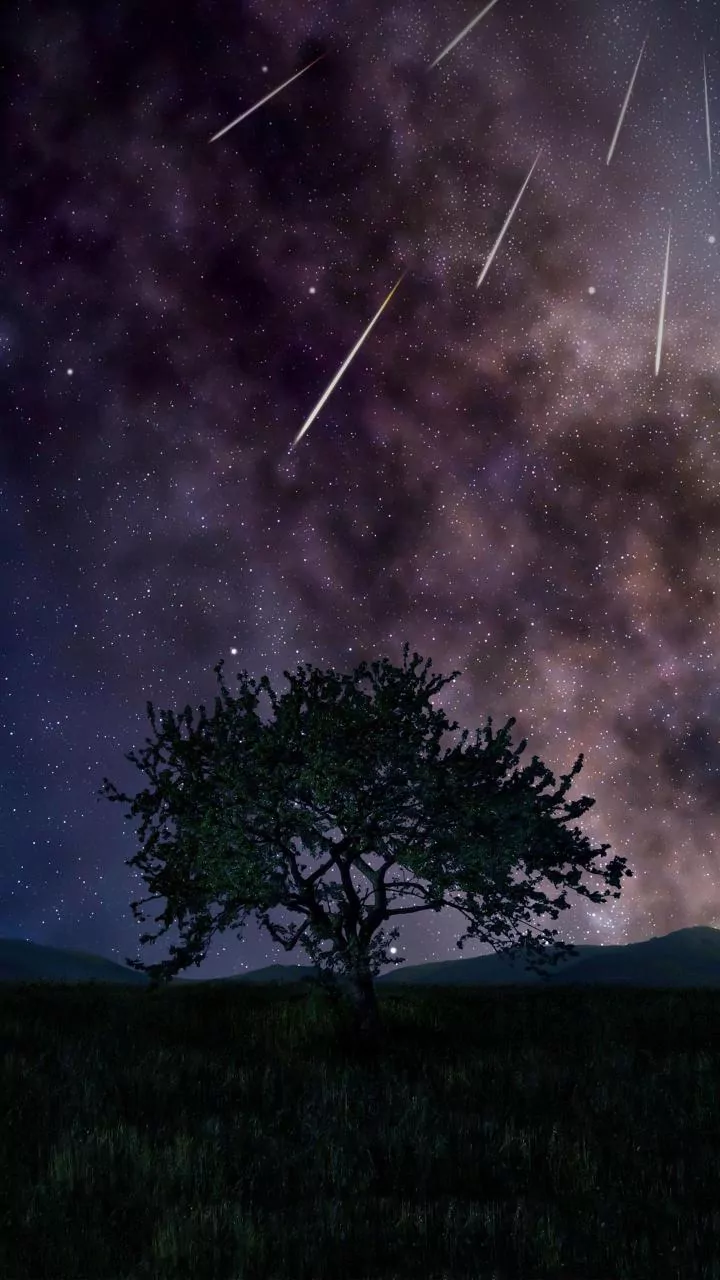
August is famous for the Perseid meteor shower, which peaked around August 12-13. While the peak has passed, the shower technically continues until about August 24. This means you still have a chance to see a few lingering “shooting stars.” For your best chance, find a location away from city lights, allow your eyes to adjust to the dark for at least 20 minutes, and look towards the northeastern part of the sky. While you won't see the peak rate of 100 meteors per hour, spotting even a few late Perseids can be a rewarding experience. The dark skies of a new moon made the peak particularly good this year, but some activity may still be visible.
Constellations of the Summer Sky
August nights are perfect for exploring the constellations of the summer sky. High overhead, you can find the Summer Triangle, a prominent asterism made up of three bright stars: Vega, Deneb, and Altair. To the south, the distinctive shapes of Scorpius, with its bright star Antares, and the “teapot” of Sagittarius are visible. These constellations host the core of our Milky Way galaxy, which is best viewed from a dark sky location, away from urban light pollution. In the north, the familiar Big Dipper (part of Ursa Major) can be seen, along with Cassiopeia, which looks like a 'W' in the sky. Using a stargazing app can help you identify these patterns and the stories behind them.
Tips for the Best Viewing Experience
To make the most of your stargazing sessions, a little preparation goes a long way. Find a spot with as little light pollution as possible; places like the Rann of Kutch, Spiti Valley, or high-altitude spots in the Himalayas are ideal, but even a dark park or rooftop in the city can work. Give your eyes about 20-30 minutes to fully adapt to the darkness and avoid looking at your bright phone screen. Using a red light flashlight can help you see your surroundings without ruining your night vision. Even though it's summer, nights can get cool, so dressing in layers is a good idea. Finally, be patient. The sky reveals its beauty slowly, so settle in, get comfortable, and enjoy the show.