





The Current Price Landscape
Recent data from September 2026 shows a noticeable jump in food inflation, which climbed to 7.74%. This increase is making many kitchen staples more expensive than they were last year. The primary drivers behind this surge are a mix of factors, including
erratic weather impacting crop yields, higher transportation costs due to fuel price hikes, and strong festive demand putting pressure on supplies. Almost all essential commodities, with the exception of potatoes, have seen a price increase over the past year. This means everything from the vegetables for your sabzi to the oil you cook with has likely become dearer.
Key Ingredients Feeling the Pinch
Onions are leading the price surge, with a staggering increase of nearly 113% compared to last year. Delayed arrivals of the new crop have kept prices firm, with retail rates hovering between Rs 50 and Rs 60 per kg in many cities. Sugar is another major concern, with prices up by almost 22% year-on-year due to production concerns. While government measures have provided some stability, the cost of this essential sweet ingredient remains high. Pulses, a protein cornerstone, have also become costlier. Toor dal prices have seen a sharp increase, with average retail prices hitting around Rs 129 per kg nationally and even higher in major metros. Edible oils, including sunflower and mustard oil, are more expensive too, with sunflower oil prices up by nearly 18%.
Where You Can Find Savings
Despite the broad price rises, there are still pockets of relief. Potato prices have actually fallen by over 6% compared to last year, making them a reliable and budget-friendly choice for festive dishes. While tomato prices are slightly higher than a year ago, they have remained relatively stable recently, selling for around Rs 42 per kg in many areas. With new sugar stocks from the crushing season beginning to arrive in markets like Maharashtra, there's a possibility of some easing in sugar prices, though it may take time to reflect at the retail level. Families can also look towards government-subsidised options like 'Bharat Dal' to procure pulses at a more affordable rate.
Smart Shopping and Menu Planning
A smart approach to shopping can make a significant difference. Start by creating a detailed budget for all your festive meals. Planning your purchases in advance and buying from local mandis or wholesale markets, rather than relying solely on supermarkets, can often yield better prices, especially for fresh produce. Comparing prices online before you shop is another effective strategy. When it comes to the menu, consider creative swaps. If a particular vegetable is too expensive, substitute it with a cheaper, seasonal alternative. Preparing sweets and snacks at home is not only more affordable than buying from stores but also adds a personal touch to the celebration. Another great idea is to host a potluck, where each guest brings a dish, sharing the cost and the joy of a diverse feast.
Balancing Tradition and Budgets
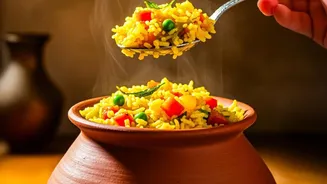
The rising cost of a home-cooked vegetarian thali, which Crisil reports has gone up by 10% in the last year, is a reality many are facing. However, the festive spirit has always been about togetherness more than extravagance. Focus on preparing a few signature dishes well rather than an overwhelming spread of numerous items. This reduces both cost and potential food waste. For instance, instead of multiple paneer dishes, choose one standout preparation. Similarly, focus on rice and dal combinations that are both traditional and economical. Thoughtful planning can help you honour your family's traditions and create a memorable feast without the financial stress.