





Beyond the Buffet: The Rise of Culinary Travel
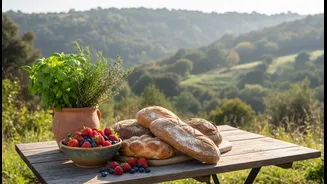
Food is no longer just fuel for a day of sightseeing; it has become the destination itself. Modern travellers are increasingly planning entire trips around culinary experiences. This trend, known as culinary tourism, is booming in India, with its vast
and diverse regional cuisines offering a rich palette for exploration. Travellers are bypassing generic hotel restaurants in favour of authentic, local food journeys. This can mean joining a cooking class in a local home, learning family recipes passed down through generations, or taking guided street food tours through bustling city lanes. This shift is driven by a desire for authenticity and a deeper connection to the culture of a place. The Indian culinary tourism market, valued at over USD 110 billion in 2025, is projected to grow significantly as more people seek these flavourful adventures. This interest not only satisfies the palate but also supports local economies and helps preserve traditional cooking methods.
Hands-On Holidays: The Allure of Craft
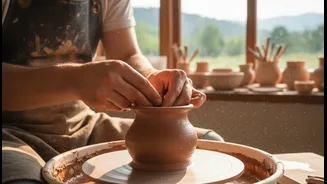
The best souvenir is increasingly becoming a new skill. Instead of simply buying local handicrafts, travellers now want to learn how to make them. All across India, from the block-printing workshops of Rajasthan to the weaving centres of Gujarat, tourists are signing up for hands-on classes. These experiences offer a unique window into a region's cultural heritage. A craft workshop provides more than just a take-home item; it creates a tangible connection to the place and the artisans who keep these traditions alive. This type of immersive activity is a core component of 'slow travel', a growing movement that prioritizes depth over breadth, encouraging travellers to stay longer and engage more meaningfully with a single location. By participating in these workshops, travellers not only gain a new appreciation for the skill involved but also contribute directly to the livelihood of local craftspeople.
Answering the Call of the Wild
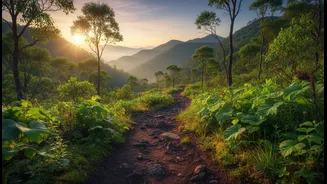
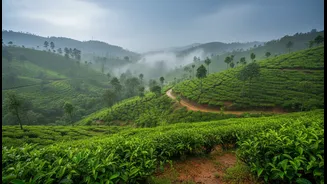
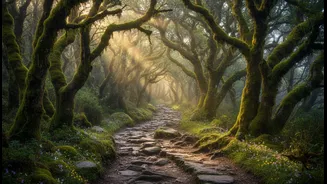
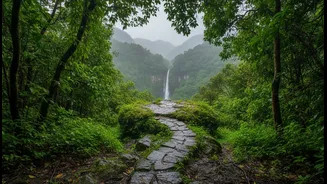
A desire to disconnect from screens and reconnect with the natural world is profoundly influencing holiday plans. Nature-based tourism is on the rise, with travellers trading city breaks for stays in eco-resorts, wilderness cabins, and farm stays. The focus has shifted from passive sightseeing to active engagement with the environment. Activities like hiking, forest bathing, and bird watching have become central to the holiday experience, often integrated with wellness and mental health goals. Following the pandemic, there has been a marked increase in people seeking outdoor activities and open spaces. This trend reflects a broader emphasis on well-being, with many viewing nature as a crucial part of a restorative vacation. The global market for nature-based tourism is expected to see significant growth, reflecting this collective turn towards the great outdoors for relaxation and rejuvenation.
Why This Shift? The Search for Meaningful Moments
This reordering of holiday priorities isn't happening in a vacuum. It's part of a larger cultural shift, particularly among younger generations like Gen Z and millennials, who are driving the demand for experiential travel. The post-pandemic world has left many with a desire for more meaningful and authentic connections, moving away from what some call 'checklist tourism'. Travellers are increasingly making decisions based on activities and interests first, with the destination becoming secondary. This move towards 'slow travel' is about creating lasting memories and stories rather than just collecting photos. It reflects a changing set of values where personal growth, cultural understanding, and genuine experiences are prized more highly than the bragging rights of having visited a long list of places. Ultimately, the goal is to return from a holiday not just rested, but enriched.