







Meet Sorghum: The 'New Quinoa'
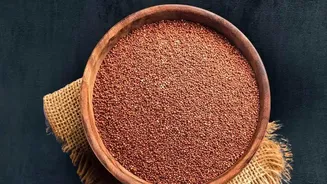
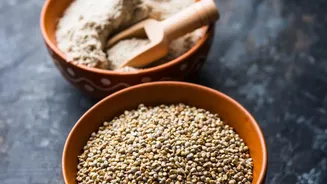
Sorghum, known locally in India as Jowar, is a nutrient-dense, gluten-free whole grain that has been a dietary staple for thousands of years in Asia and Africa. Recently, it's been dubbed the “new quinoa” for its impressive health benefits and versatility.
Unlike polished white rice, which has its bran and germ removed, sorghum is a whole grain packed with protein, vitamins, and minerals. It contains essential nutrients like iron, magnesium, and B-vitamins, which contribute to energy production and overall well-being. Its gluten-free nature also makes it an excellent choice for individuals with celiac disease or gluten sensitivity.
Sorghum vs. Polished White Rice: A Nutritional Showdown
When you place sorghum and polished white rice side-by-side, the differences are stark. A 100g serving of jowar contains around 10 grams of fiber, whereas the same amount of white rice has only about 1 gram. This high fiber content is crucial for digestive health. Furthermore, sorghum boasts a higher protein content, with about 10-11 grams per 100g compared to roughly 7 grams in white rice. This combination of fiber and protein helps promote a feeling of fullness, which can aid in weight management by reducing overeating. Sorghum also has a lower glycemic index, meaning it causes a slower, more stable rise in blood sugar levels, making it a favorable option for people with diabetes.
The Fiber-Microbiome Connection
The health of our gut microbiome—the community of trillions of microorganisms living in our digestive tract—is fundamental to our overall health. Dietary fiber is the primary fuel for these beneficial gut bacteria. Millets like sorghum are rich in prebiotic fibers. These fibers aren't digested in the small intestine; instead, they travel to the colon where they ferment and nourish good bacteria like Bifidobacterium and Lactobacillus. This process produces short-chain fatty acids (SCFAs), which are vital compounds that strengthen the gut lining, reduce inflammation, and enhance nutrient absorption. A healthy gut microbiome supported by a high-fiber diet is linked to improved digestion, a stronger immune system, and even better mood regulation.
How to Easily Replace Rice with Sorghum
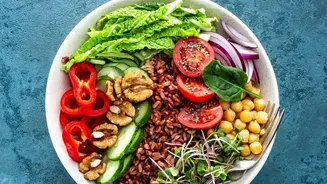
Making the switch from rice to sorghum is simpler than you might think. Whole grain sorghum has a pleasantly chewy texture and a mild, nutty flavor that works well in many dishes. The key is preparation. Whole jowar grains need to be soaked, ideally for several hours or overnight, to shorten the cooking time. After soaking, you can cook it using several methods: Stovetop: Use a 1-to-3 ratio of sorghum to water. Bring to a boil, then simmer for about 40-55 minutes until tender. Pressure Cooker: This is a faster method. After soaking, cook the grains with water for 4-5 whistles or follow your cooker's instructions. * Instant Pot: Use a 1-to-3 ratio of grain to liquid and pressure cook on high for about 30 minutes, followed by a natural release. Cooked sorghum can be used just like rice—as a side for curries and dals, or as a base for pulao, khichdi, and upma. Its firm texture also makes it a great addition to salads and grain bowls. You can even cook a large batch and freeze it for convenient meal prep.