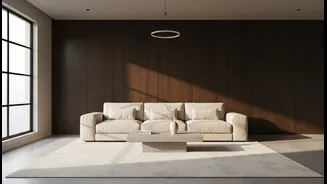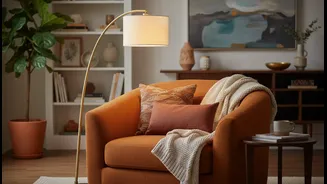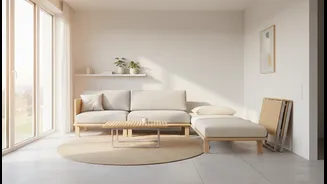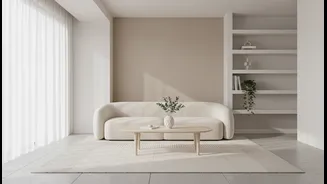




The Daily Battle with Sharp Edges
Picture the scene: children chasing each other around the living room, a quick dash to the kitchen during a commercial break, or navigating a tight space while carrying laundry. In these everyday moments, a sharp table corner can turn from a piece of
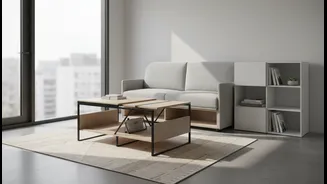
furniture into a minor threat. For families with young children or elderly members, these corners are a constant source of worry, leading to bumps, bruises, and sometimes more serious injuries. Beyond the physical risk, boxy, angular furniture can make a small room feel cramped and visually cluttered. Each sharp corner acts as a visual stop sign, breaking up the flow of the room and making pathways feel more constricted than they actually are.
The Gentle Power of Curves
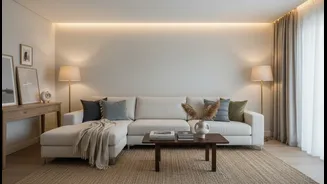
This is where rounded furniture comes in as a graceful and intelligent solution. Psychologically, curves are perceived by our brains as being safer and more inviting than sharp angles. Studies suggest that our minds associate curves with the soft, organic shapes found in nature, creating a calming and harmonious atmosphere. In practical terms, the benefits are immediate. A round coffee table is much easier to navigate than a rectangular one, improving the flow of movement in a room. This enhanced circulation can make a small space feel significantly more open and less crowded. Rounded pieces take up less perceived space because they don't have corners jutting out, tricking the eye into seeing a larger area.
Smart Swaps for a Softer Home
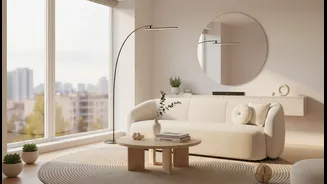
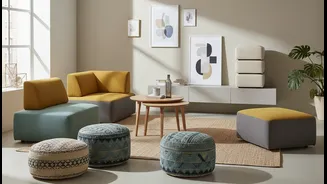
Integrating curves doesn't require a complete home overhaul. Starting with a few strategic swaps can make a significant difference. The coffee table is often the biggest offender; replacing a square or rectangular one with a round or oval model is a game-changer for living room safety and flow. Consider chairs and sofas with curved backs or rounded arms. These pieces can feel more enveloping and comfortable, encouraging conversation and relaxation. In the dining area, a round table is not only safer but also fosters a more communal and intimate atmosphere, as it removes the formal hierarchy of a rectangular table. For Indian homes where open-plan living is common, the curved back of a sofa can act as a beautiful, soft partition between living and dining zones.
Beyond Furniture: Embracing the Arc
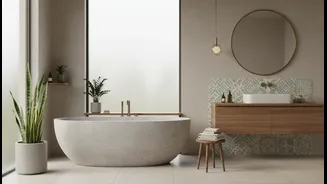
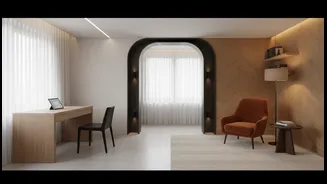
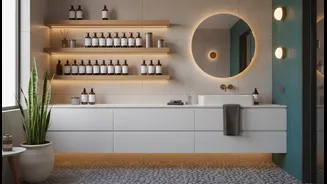
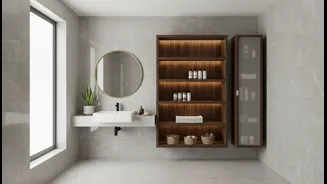
The principle of curves extends beyond large furniture items. You can introduce rounded shapes through decor and architectural elements to soften a room. Think of arched mirrors, which add a sense of height and elegance, or a large circular rug to define a seating area and break the monotony of a square room. Pendant lights with rounded designs, circular artwork, and even curved floor lamps can act as sculptural elements that draw the eye and contribute to a gentler aesthetic. Even architectural details are seeing a resurgence of curves. Arched doorways, which are often found in traditional Indian homes, can be a beautiful way to soften transitions between rooms. In the kitchen, a countertop with rounded edges is a practical choice for a busy family hub.
Finding the Right Balance
The goal isn't to eliminate every straight line from your home. A space filled with only curves might feel unbalanced. The most visually interesting and sophisticated interiors often feature a thoughtful mix of straight and curved lines. The straight lines of walls, windows, and shelving provide structure, while the curves of a sofa, a table, or a mirror introduce softness and movement. The interplay between these shapes creates a dynamic and harmonious environment. You can pair a sleek, angular sofa with a round coffee table, or place an armchair with soft curves against a wall of linear bookshelves. This contrast is what makes the design feel intentional and complete.