

The Golden Rule: Embrace Shoulder Seasons
Peak season travel is popular for a reason, but it comes with peak season crowds and prices. The real hack is to aim for the 'shoulder seasons'—the windows just before and after the main tourist rush. For destinations like Rajasthan, this means visiting
in March-April or September-October. The weather is still pleasant, but the crowds at Jaipur's forts and Udaipur's lakes are noticeably thinner. Similarly, the Himalayan foothills in places like Himachal Pradesh are delightful in the shoulder months of April, May, or September, offering crisp air without the summer holiday rush. This strategy provides the perfect balance of good weather, lower costs, and more breathing room at popular attractions.
Rethink the Monsoon Magic
The monsoon (roughly June to September) is often considered the 'off-season' in many parts of India, but for the savvy traveller, it’s a period of magical transformation. In destinations like Kerala and Goa, the rain breathes new life into the landscape. Kerala's backwaters become lush, green, and incredibly serene, making it an ideal time for a peaceful houseboat cruise. It is also considered the best season for traditional Ayurvedic treatments, as the cool, moist air is believed to enhance their effectiveness. In Goa, the party scene quiets down, revealing tranquil beaches and verdant countryside. Waterfalls like Dudhsagar are at their most spectacular during this time. While some beach shacks may close, you'll be rewarded with lower prices and a more relaxed atmosphere.
Explore a Parallel Itinerary
Another way to beat the crowds is to look just beyond the most famous names. For every packed tourist hotspot, there's often a quieter, equally charming alternative nearby. Instead of battling the traffic in Manali, consider the serene Tirthan Valley for its riverside cabins and pristine hiking trails. If the main beaches of Goa feel too busy, the cliffside calm of Varkala in Kerala offers a similar coastal vibe with fewer people. In Rajasthan, while Jaipur and Udaipur draw huge numbers, smaller towns like Bundi or Mandawa offer stunning havelis and a more authentic feel of Rajasthani life without the tourist trail's hustle. Exploring these alternatives doesn't mean compromising on beauty or experience; it often enhances it.
Master the Art of Daily Timing
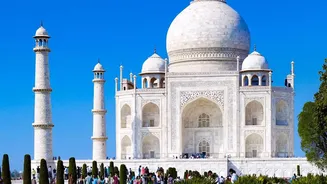
Avoiding crowds isn't just about the time of year you visit; it's also about the time of day. This is a simple but highly effective hack for hugely popular landmarks. For world-famous monuments like the Taj Mahal, a visit at sunrise not only offers spectacular light for photos but allows you to experience its majesty before the large tour buses arrive. Similarly, exploring city palaces and forts in the early morning or late afternoon helps you avoid the midday heat and the peak visitor crunch. Researching the opening and closing times of major attractions and planning your visit for the first or last hours of the day can dramatically improve your experience, giving you the time and space to truly appreciate these incredible sites.
The Undeniable Financial Perks
Beyond the peace and quiet, travelling off-peak offers significant financial advantages. With lower demand, airlines and hotels often slash their prices. Accommodation costs can be 30-50% cheaper than during peak season, allowing you to stay in more luxurious properties for a fraction of the usual cost. This applies not just to hotels but also to tours and even local transport. In destinations that thrive on tourism, you may also find that local vendors and service providers are more relaxed and willing to offer better prices. This financial relief allows you to either save money or extend your trip, making your holiday not just more peaceful, but also more economical.