





Why Mobility is a Pillar of Happy Retirement
In your working years, you might not think twice about jumping in a car or navigating a crowded bus. In retirement, however, this calculus changes. Mobility is not just about travel; it’s about independence, social connection, and health. For many seniors,
the ability to step out comfortably for appointments, meet friends, or simply visit a park is a cornerstone of their well-being. Over-reliance on a private car can become a burden, while cities with poor public transport can lead to isolation. The true freedom of retirement comes from having options: safe, accessible, and affordable ways to navigate your city with dignity. A city that is easy to move around in is a city that keeps you active, engaged, and in control of your life.
Decoding Your Local Transport Needs
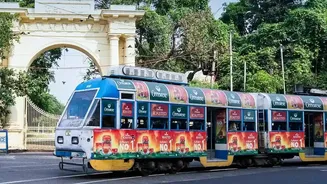
Evaluating a city's transport isn't just about checking if it has a metro. You need to assess it based on your future needs. In India, public transport systems are often not designed with seniors in mind, facing issues like overcrowding and poor accessibility. Newer metro systems in cities like Delhi, Mumbai, and Bengaluru are improving with features like lifts, ramps, and dedicated seating, but last-mile connectivity from the station to your home remains a crucial factor. Consider the full journey: Can you comfortably walk to the bus stop or auto stand? Are ride-hailing services reliable and affordable in the area? Some services even specialize in cabs for seniors, using vehicles with easier entry and trained drivers. The key is to look for a seamless mobility chain from your doorstep to your destination.
The Underrated Value of Walkability
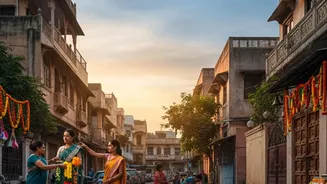
Daily convenience is often determined by a simple factor: walkability. This refers to how friendly an area is for walking, taking into account the quality of footpaths, safety, and proximity to essential services. A neighbourhood where you can easily walk to a grocery store, a pharmacy, a bank, or a park drastically improves your quality of life. Unfortunately, many Indian cities suffer from broken pavements, encroachments, and a lack of safe pedestrian crossings. When shortlisting cities, go beyond the main roads. Explore residential layouts. Are the streets well-lit? Are the surfaces even? Walkability promotes physical activity, social interaction, and a sense of community—all vital ingredients for a fulfilling retirement.
Healthcare Access as Daily Convenience
While every retiree considers the quality of hospitals, it's the ease of access that functions as a daily convenience. Proximity to good healthcare is a non_negotiable. This means not just having a super_specialty hospital in the city, but being able to reach a clinic, a diagnostic lab, or a pharmacy for routine needs without a stressful, hours_long journey. The best retirement cities offer a dense network of medical facilities. When evaluating a potential neighbourhood, map out the nearest doctors and emergency services. A city that blends top_tier medical infrastructure with easy, accessible transport ensures peace of mind is built into your daily life. Cities like Coimbatore and Pune are often highlighted for this very combination.
Cities That Offer Models of Convenience
Rather than a definitive 'best city' list, it helps to see what certain cities do right. Chandigarh, a planned city, is lauded for its wide roads, green spaces, and organized layout, which makes navigation relatively easy. Pune offers a blend of modern city perks with a calmer atmosphere than Mumbai, strong healthcare, and numerous senior communities. Coimbatore is frequently cited as a top retirement destination due to its pleasant climate, lower cost of living, and a robust network of hospitals and specialized senior living facilities. These cities provide a strong balance of accessibility, healthcare, and a comfortable pace of life, making them useful benchmarks for what to look for.