



The Artemis Dream Meets a Harsh Reality
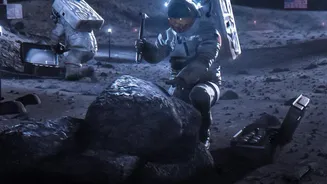
Humanity is going back to the Moon, and this time, the plan is to stay. NASA's Artemis program isn't just about planting flags and taking photos; it aims to establish a sustained human presence, including a permanent base camp. This lunar outpost would
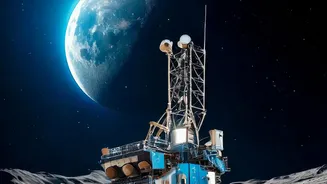
serve as a hub for science, resource utilization, and a critical stepping stone for future missions to Mars. However, building a home on the Moon is not like a terrestrial construction project. The lunar environment is actively hostile to both humans and technology, presenting a checklist of dangers that must be understood and mitigated before astronauts move in for the long haul.
A World of Hidden Dangers
The Moon's serene appearance belies a collection of formidable threats. With no significant atmosphere or global magnetic field, its surface is constantly bombarded by solar radiation and galactic cosmic rays, which can damage human DNA and electronics. Temperatures swing wildly from over 120°C in sunlight to below -200°C in the dark. Micrometeoroids, tiny particles traveling at blistering speeds, pose a constant threat of puncturing spacesuits and structures. Furthermore, the lunar soil, or regolith, is not like sand on a beach. It's a fine, abrasive dust composed of sharp, glassy particles that can damage equipment and, if inhaled, cause serious harm to astronauts' lungs. There's also the ground itself to worry about; the Moon experiences 'moonquakes' from tidal stresses and meteorite impacts, and we know very little about their frequency or intensity, especially on the far side.
Deploying the Scientific Scouts
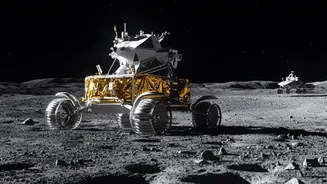
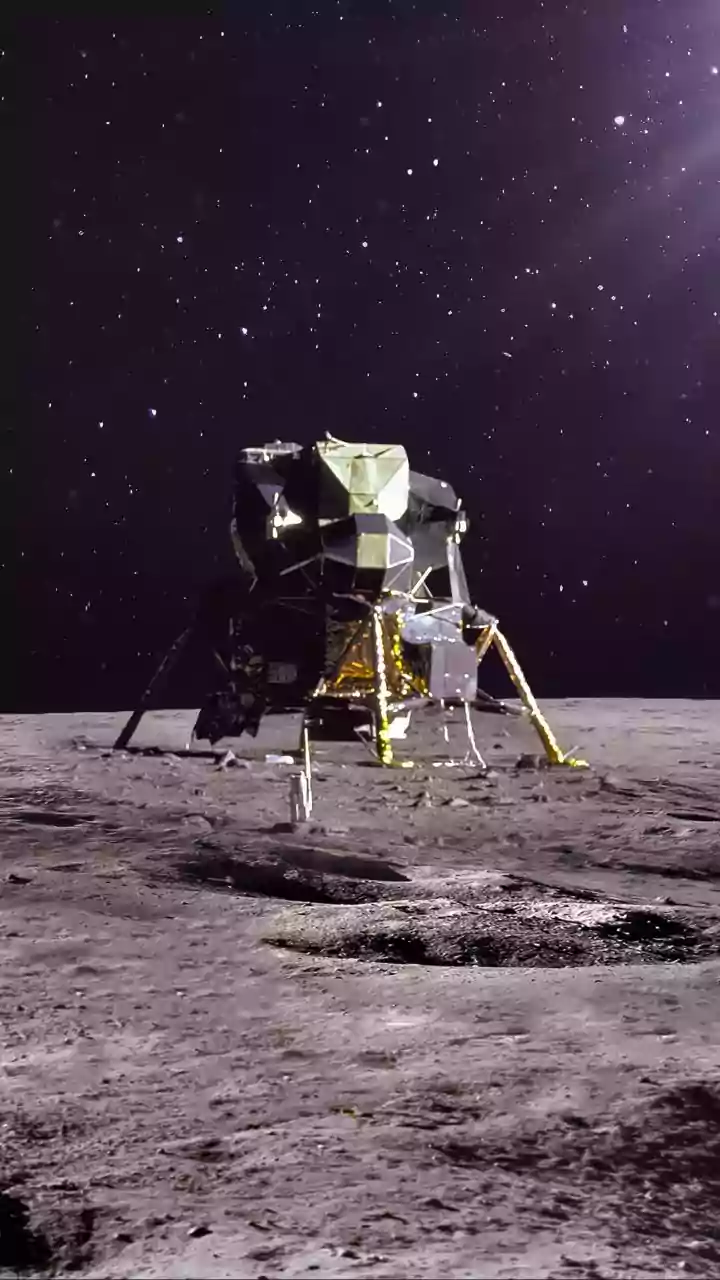
To address these life-or-death questions, NASA is turning to a new generation of robotic explorers. Through its Payloads and Research Investigations on the Surface of the Moon (PRISM) program, the agency recently selected three new suites of scientific instruments to be delivered to the lunar surface. These investigations will be carried by commercial landers as part of the Commercial Lunar Payload Services (CLPS) initiative, a program designed to send a steady stream of science and technology to the Moon. According to NASA officials, these payloads are essential for creating an 'interplanetary survival guide', providing vital information to minimize risks for future Artemis crews.
Profiling the Lunar Environment
The new selections are specifically designed to investigate the most pressing environmental unknowns. One of the key payloads is the Lunar Environment Monitoring Station – South Pole (LEMS-SP). This autonomous station, about the size of a small suitcase, will act as a long-term weather and hazard monitor. It will use a seismometer to listen for moonquakes and micrometeoroid impacts, providing the first ground-truth data on the seismic stability of the lunar south pole—the prime real estate for a future base. Another instrument suite, GIMLI (Geophysical Instruments for Marius Lunar pit Investigation), will explore a large pit to see if it leads to an underground lava tube, which could provide natural shelter from radiation and impacts. A third, DISCO (Depth Imager with Spectral and Color Optics), will hunt for hidden ice that could be a crucial resource.
Paving the Way for a Lunar Outpost
The data returned by these missions will be anything but academic. Understanding the frequency and strength of moonquakes directly influences the engineering requirements for habitats and landing pads. Knowing how often micrometeoroids strike will determine the necessary thickness and material of protective shielding for the Moon Base. Mapping resources like water ice is critical for life support and producing rocket fuel, making a permanent base more self-sufficient. These investigations are not just about pure science; they are practical, foundational steps in learning how to live and work safely in a completely alien environment. They represent a shift from the short sprints of the Apollo era to the marathon of sustained habitation.