





More Than a Beverage, It's a Feeling
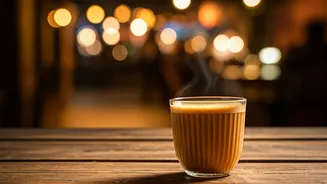
To call Masala Chai a mere drink is to miss the point entirely. It is a hug in a cup, a conversation starter, a peace treaty after a long day. From the bustling metropolis of Mumbai to the serene backwaters of Kerala, the humble chai is a great unifier.
It transcends class, language, and geography. It’s the default offering to guests, a mandatory break during a hectic workday, and the silent companion during late-night study sessions. The phrase “Chalo, chai peete hain” (Come, let's have chai) is an invitation not just for tea, but for connection, a brief respite from the chaos of life. It’s a liquid ritual that has woven itself into the very fabric of Indian social life, a constant in a country of beautiful complexities.
A Symphony of Spices
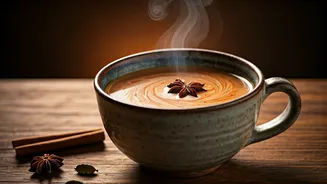
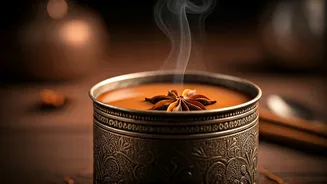
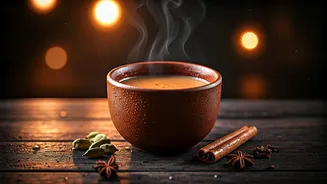
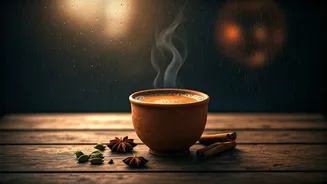
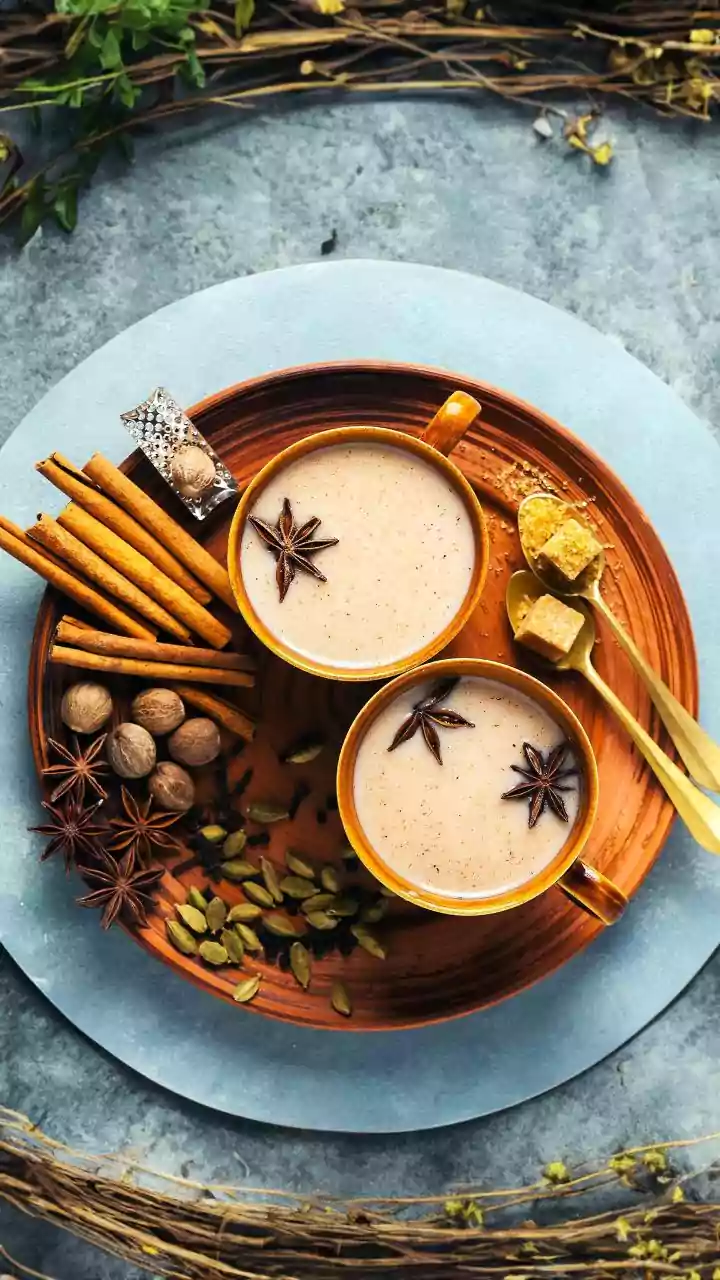
What elevates a simple cup of black tea into the beloved Masala Chai is the 'masala'—the carefully curated blend of spices, each playing a crucial role. While every family has its own secret recipe, the core ensemble usually features a few key players. Cardamom (elaichi) lends a sweet, floral aroma. Ginger (adrak) provides a pungent, warming kick, especially welcome during monsoon and winter. Cloves (laung) add a sharp, slightly sweet note, while cinnamon (dalchini) brings a woody warmth. Black peppercorns (kali mirch) are often included for a surprising, spicy finish that clears the palate and warms the throat. This is not a random assortment; it's a perfectly balanced orchestra of flavours designed to awaken the senses and provide comfort. The process of crushing the spices fresh, releasing their essential oils, is as much a part of the experience as drinking the final product.
From British Brew to Indian Icon
The story of chai in India is a fascinating tale of colonial influence and ingenious adaptation. While tea cultivation was promoted by the British in the 19th century to break the Chinese monopoly, the strong, milky, and sweet version we know today is a distinctly Indian innovation. Initially, tea was a luxury, but aggressive marketing campaigns by the British-owned Indian Tea Association in the early 20th century promoted it as a working-class beverage. However, Indians took this base and made it their own. Street vendors, or 'chaiwallahs', began adding milk, sugar, and, most importantly, an array of local spices to make the drink more flavourful and economical. This spiced concoction, Masala Chai, was a delicious act of culinary rebellion and appropriation that turned a colonial import into a national treasure.
A Chai for Every Region
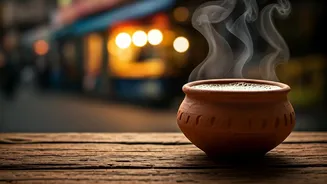
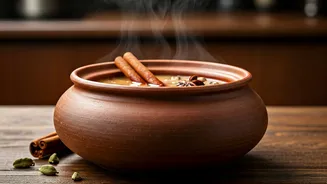
Just as India’s languages and customs change every few hundred kilometres, so does its chai. There is no single, monolithic recipe. In Kashmir, one might find Noon Chai, a savoury pink tea made with salt and baking soda. In Kolkata, the chai is often served in earthy clay cups called 'bhars', which are said to enhance the flavour. In Bhopal, you might encounter a 'namak wali chai' (salted tea), a unique local preference. The 'cutting chai' of Mumbai, served in a small glass and meant for a quick, potent shot of energy, is an institution in itself. These variations are a testament to the drink's versatility and its ability to adapt to local tastes and ingredients, making it a truly personal and regionalised experience within a shared national tradition.