


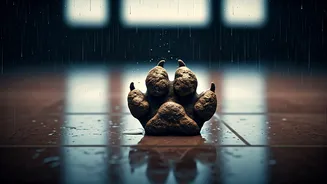


Mastering the Muddy Walk
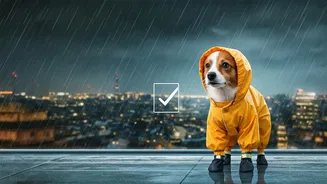
The daily walk doesn't stop for rain, but it does get messier. Investing in good rain gear is the first line of defence. A waterproof raincoat can keep your pet's core dry, drastically reducing cleanup time. For paw protection, waterproof pet boots are
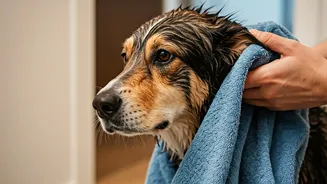
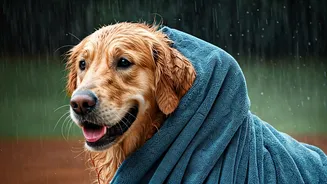
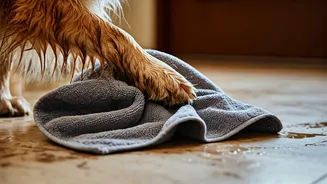
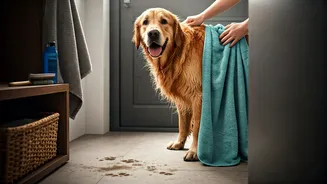
an option, though not all pets tolerate them. The most crucial step is the post-walk routine. Keep a 'cleanup kit' by the door with a highly absorbent microfibre towel, pet-friendly wipes, and perhaps a paw cleaner. Always wipe and dry their paws thoroughly after every walk to prevent fungal and bacterial infections that thrive in moisture. Pay special attention to the areas between the toes and their underbelly.
The Indoor Entertainment Plan
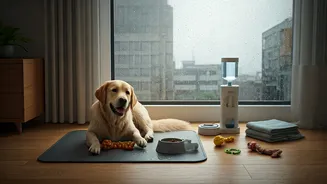
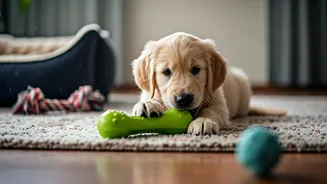
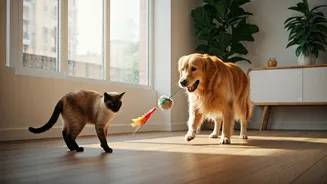
When the rain is too heavy for even a short walk, a bored pet can become a destructive one. This is where indoor enrichment becomes a lifesaver. Mental stimulation can be just as tiring as physical exercise. Engage your pet's brain with puzzle feeders, snuffle mats, or a simple game of hide-and-seek with treats. Hiding small treats around a room encourages their natural sniffing and foraging instincts. You can also create a DIY obstacle course with pillows and chairs or have a gentle session of tug-of-war. Even short, fun training sessions to teach a new trick can provide excellent mental engagement and strengthen your bond.
Monsoon Health and Hygiene Patrol
The damp, humid weather is an ideal breeding ground for parasites and pathogens. Ticks and fleas are more prevalent, so it's vital to be diligent with your vet-recommended preventative treatments. Moisture can also lead to ear infections, especially in breeds with floppy ears. Check and clean their ears regularly with a vet-approved solution. One of the biggest dangers is waterborne diseases. Never let your pet drink from puddles or stagnant water, which can contain harmful bacteria like Leptospira and Giardia. Always provide fresh, clean drinking water at home, and consider boiling it if you're concerned about contamination.
Grooming in the Gloom
That distinct 'wet dog smell' is often due to bacteria and yeast on the skin flourishing in damp fur. The key to managing this is to ensure your pet is always thoroughly dry. After any exposure to rain, or even a bath, use an absorbent towel or a pet-friendly dryer on a low, cool setting. Brushing becomes even more critical during the monsoon. Daily brushing helps remove dirt, prevents painful matting that traps moisture, and improves air circulation to the skin. For dogs with long coats, keeping the fur between their paw pads trimmed can significantly reduce the amount of mud they track inside.
Diet and Hydration Adjustments
With potentially reduced physical activity, your pet's dietary needs might change slightly. More importantly, don't assume the cooler weather means they need less water. Hydration is crucial, so ensure their water bowl is always clean and full. Humidity can cause dry kibble to become stale or even mouldy faster, so store it in an airtight container. Some experts also recommend boosting your pet's immunity through their diet with supplements like omega-3 fatty acids or probiotics, but it's always best to consult your vet before making any significant changes.