




A Traditional Powerhouse
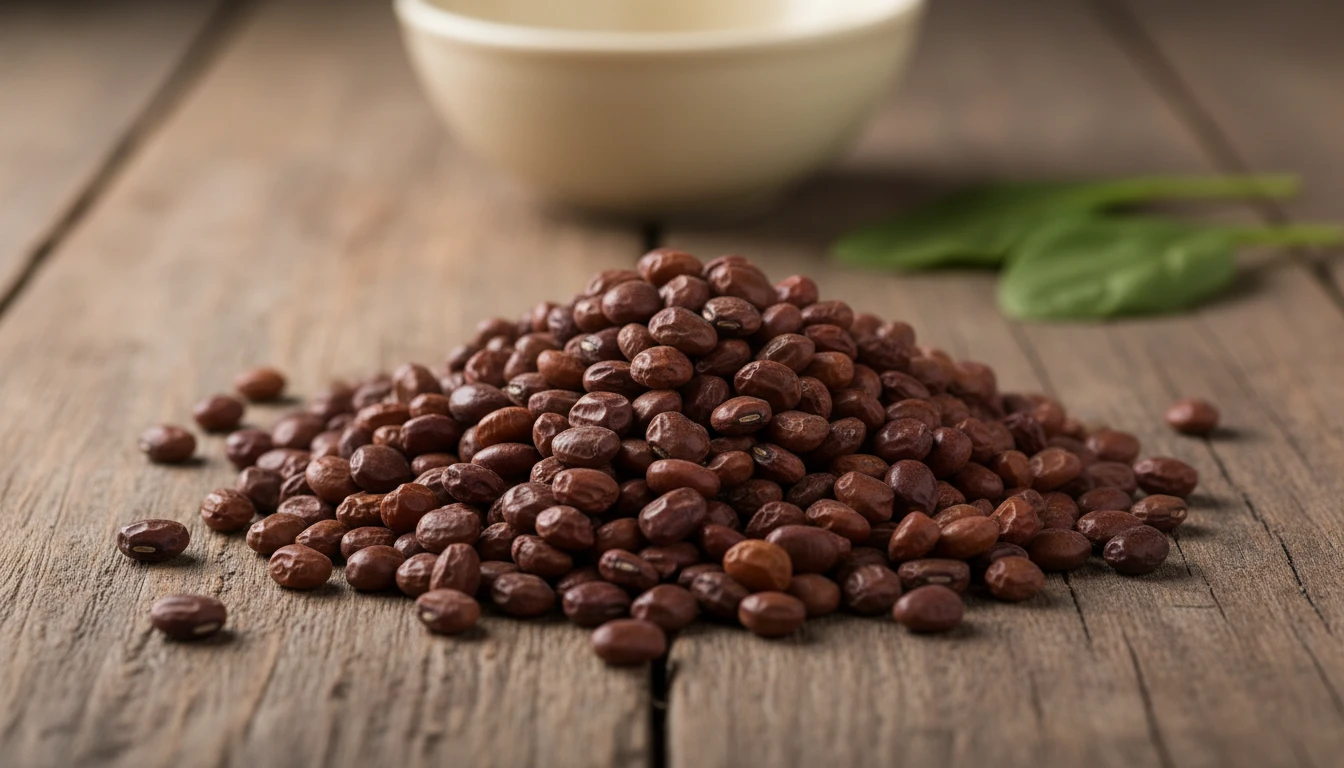
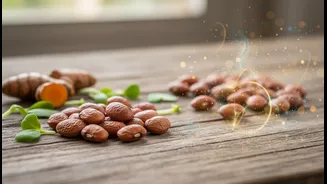
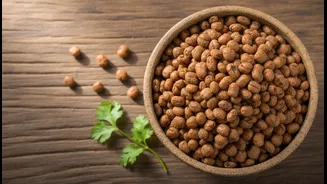
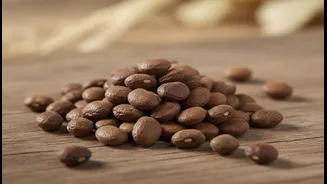
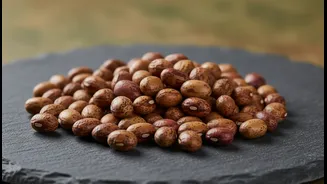
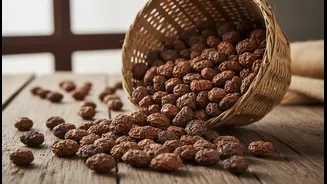
First, let's give credit where it's due. Horse gram is a highly nutritious legume with deep roots in Indian culture, particularly in Ayurveda. For centuries, it has been valued not just as food but as a therapeutic agent for various ailments. Known for its
warming properties, it’s traditionally used to treat common colds, fevers, and respiratory issues. It’s also incredibly resilient, able to grow in harsh, dry conditions, making it a vital crop in many parts of India. So, its status as a traditionally important and valuable food source is undisputed.
Nutritionally Impressive, Not Magical
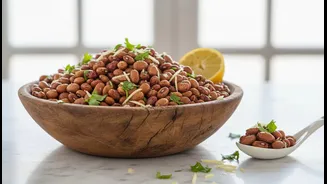
On paper, horse gram is a nutritional star. It is packed with protein (around 22-25%) and dietary fibre, both soluble and insoluble. It's also a rich source of essential minerals like iron, calcium, and phosphorus. This impressive profile means it can certainly support a healthy diet. The high protein and fibre content can keep you feeling full longer, which is a helpful component of any weight management plan. Its low glycemic index means it releases sugar slowly, preventing sharp spikes in blood sugar, which is beneficial for everyone, not just those managing diabetes. This is all great news, but it makes horse gram a healthy food, not necessarily a 'miracle' one.
Claim: The Ultimate Weight Loss Food
Many online articles position horse gram as a fat-burning machine that can melt away kilos. The reality is more sensible. Its high protein and fibre content aids in satiety, meaning it helps you feel full and can reduce overall calorie intake. Some animal studies have shown that extracts of horse gram might help prevent weight gain, but these studies use highly concentrated doses not achievable through normal dietary intake. No single food can 'melt' fat. Sustainable weight loss comes from a balanced diet and regular physical activity, to which horse gram can be a nutritious addition, not a shortcut.
Claim: A Natural Cure for Kidney Stones
This is one of the most persistent claims. Traditional medicine has long used horse gram to treat urinary issues, including kidney stones. The belief is that it helps break down stones and flush them out due to its diuretic properties. Some small-scale studies have explored this, with one finding it could be beneficial in reducing the recurrence of certain types of stones. However, the scientific evidence is far from conclusive and certainly not strong enough to call it a cure. Self-treating kidney stones can be dangerous, and relying on any single food instead of medical advice is not recommended.
The Danger of the 'Superfood' Label
The term 'superfood' is more of a marketing buzzword than a nutritional classification. When a food is elevated to miracle status, it creates unrealistic expectations. It can lead people to believe they can compensate for an otherwise unhealthy diet by consuming one 'magic' ingredient, which simply isn't true. Moreover, it can cause people to ignore proven medical treatments for serious conditions in favour of unverified dietary remedies. While foods like horse gram contain beneficial bioactive compounds like antioxidants and polyphenols, their effects are part of a larger picture of a healthy lifestyle.