







An Unprecedented Scale of Devotion
The Kanwar Yatra is one of India's largest annual religious gatherings. During the month of Shravan, which in 2026 begins on July 30th, millions of pilgrims, known as Kanwariyas, travel to holy sites like Haridwar, Gaumukh, and Gangotri to collect sacred
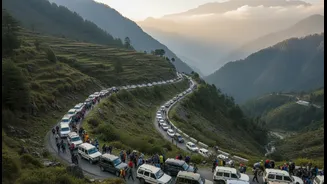
water from the Ganges. In 2025, estimates suggest over four crore (40 million) pilgrims reached Haridwar. The sheer volume of people, many travelling on foot, necessitates a coordinated effort to prevent overcrowding, stampedes, and other public safety incidents. Advisories are the first step in managing this massive human flow, directing people and ensuring that critical areas do not exceed their carrying capacity.
Managing Overwhelmed Infrastructure
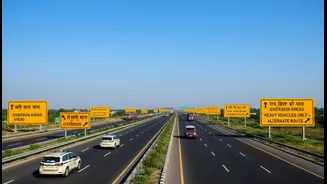
The primary reason for travel advisories is to manage the immense strain placed on public infrastructure. Key routes, particularly National Highway 34 (the Delhi-Meerut-Haridwar corridor), become choked with a mix of pedestrian pilgrims and vehicles. To manage this, authorities implement extensive traffic diversions, often weeks in advance. For the 2026 Yatra, which culminates on Sawan Shivratri on August 11th, major road closures and diversions are expected around Haridwar from late July. These advisories help regular commuters, commercial transport, and leisure tourists reroute their journeys, preventing gridlock. Restrictions are placed on heavy vehicles, and sometimes even light vehicles, with dedicated lanes often reserved exclusively for Kanwariyas to ensure their safe passage.
Prioritising Public Safety and Security
With millions on the move, ensuring safety and security becomes a top priority for state governments like Uttarakhand and Uttar Pradesh. Preparations involve deploying a heavy police and paramilitary presence, using CCTV and drone surveillance, and establishing medical camps along the routes. The advisories are a tool for law enforcement to communicate security protocols and urge cooperation from pilgrims and the public. They also include crucial information about medical facilities and emergency services, such as the deployment of water ambulances in the Ganga at Haridwar. By regulating movement and setting clear expectations, authorities aim to minimise accidents and create a secure environment for everyone.
Balancing Pilgrimage with General Tourism
Pilgrimage destinations like Haridwar and Rishikesh are also popular tourist spots. The Kanwar Yatra period, particularly the two weeks leading up to Sawan Shivratri, can be challenging for leisure travellers unaware of the scale of the event. Tourism boards and local administrations issue advisories specifically for tourists, suggesting alternative travel dates or routes. For 2026, travellers heading to places like Rishikesh, Dehradun, or Mussoorie are advised to travel before July 30th or after August 13th to avoid peak congestion. For those who must travel during this time, advisories recommend using trains or flights to Dehradun's Jolly Grant Airport to bypass the busiest road corridors. This proactive communication helps manage tourist expectations and prevent negative experiences, thereby protecting the region's broader tourism economy.
Mitigating Environmental Impact
A gathering of this magnitude inevitably has an environmental footprint. The influx of millions puts pressure on local resources, including water, and generates significant waste. While the pilgrimage itself is rooted in reverence for nature, especially the life-giving Ganga, the logistical reality requires management. Advisories often form part of a larger campaign encouraging eco-friendly practices and responsible behaviour. Administrative bodies work to set up waste disposal facilities and conduct clean-up drives. By managing the flow of people and providing necessary infrastructure like sanitation facilities, authorities aim to mitigate the environmental impact on the fragile Himalayan ecosystem and the sacred river at its heart.