




An Earthy Rejection of Mass Production
For years, modern interior design was dominated by clean lines, neutral palettes, and items that looked like they came from the same global catalogue. But for many young Indians setting up their first homes in bustling metros, this uniformity has lost
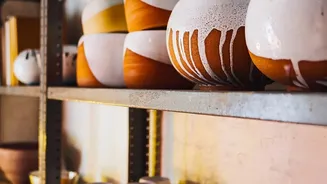
its appeal. Instead, they are turning to decor that tells a story. Terracotta, with its warm, reddish-brown hues and tangible texture, offers a direct antidote to the impersonal nature of mass-produced goods. Each handcrafted piece is unique, bearing the subtle imperfections and marks of its maker. This search for authenticity is a hallmark of Gen Z, a generation that prizes individuality and personal expression in the spaces they inhabit. Choosing a handmade clay pot over a plastic one is a small but significant act of curating a home that feels soulful and personal, a sanctuary from an overstimulated digital world.
Sustainability as a Style Statement
More than any generation before, Gen Z's purchasing decisions are guided by environmental consciousness. The terracotta trend is deeply intertwined with this value system. Made from natural clay and fired in a kiln, terracotta is durable, long-lasting, and biodegradable, a stark contrast to plastic decor with its heavy environmental footprint. This alignment with sustainable living makes choosing terracotta not just a stylistic choice, but a responsible one. The growing demand for eco-friendly home solutions is a defining trend in India, with consumers actively seeking planet-friendly materials like jute, bamboo, and recycled items. By opting for terracotta, young decorators are making a conscious decision to support a more circular economy, investing in items that are both beautiful and kind to the planet.
Digital Discovery and Artisan Support
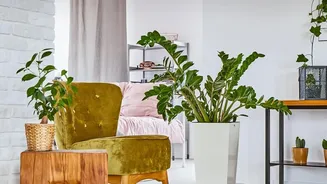
While the preference for terracotta is a reaction against a hyper-digital life, its popularity is ironically amplified by it. Platforms like Instagram and Pinterest are flooded with images of 'earthy rustic' and 'warm minimalism' aesthetics, where terracotta planters filled with lush greenery are a central feature. These visuals provide endless inspiration, but the connection often goes deeper. Social media and online marketplaces also act as a bridge, connecting urban buyers directly with rural artisans from pottery hubs like Khurja in Uttar Pradesh and various centers in Rajasthan. This bypasses traditional intermediaries, ensuring fairer prices for the creators and giving consumers a transparent link to the craft's provenance. For Gen Z, buying a terracotta piece can also be an act of supporting local craftsmanship and preserving India's rich heritage, a tradition of pottery that dates back to the Indus Valley Civilization.
More Than Just Planters
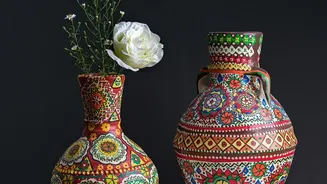
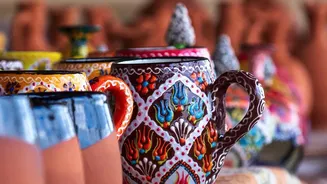
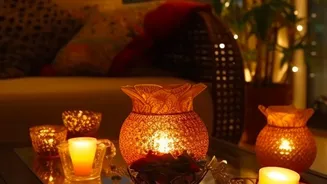
The resurgence of terracotta extends far beyond the ubiquitous plant pot. Designers and artisans are reinventing this ancient material for contemporary living spaces. We're now seeing minimalist terracotta table lamps, sculptural vases, chic dinnerware, and decorative wall hangings. In the kitchen, traditional items like clay water jugs ('matkas') and serving bowls are being embraced for their natural cooling properties and rustic charm. The versatility of the material allows it to be integrated seamlessly into various decor styles, from bohemian to modern. The key to styling it in a modern home is balance. Pairing earthy terracotta pieces with sleek furniture, natural textiles like linen and jute, or brass accents creates a compelling mix of old and new, adding warmth and texture without feeling dated.
A Grounding Connection to Roots
At its core, the embrace of terracotta is about connection. For a generation living in high-rise apartments, often far from their ancestral homes, these earthy objects serve as a tangible link to nature and tradition. The tactile experience of a slightly rough clay pot or the ritual of drinking water from a 'kulhar' offers a moment of mindfulness and a respite from the cool glow of screens. This trend is part of a broader movement towards wellness and creating calming home environments that support mental well-being. The warm, natural tones of terracotta are associated with stability and a sense of being grounded. In a fast-paced urban world, a simple piece of baked earth can be a powerful anchor, a reminder of a slower, more deliberate way of living rooted in Indian culture.