




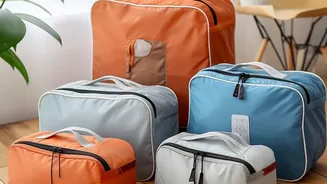
Embrace Compression Packing Cubes
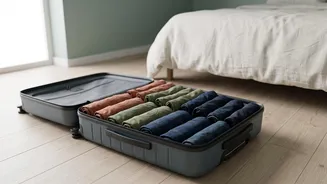
The single greatest weapon in the fight for luggage space is the compression packing cube. These are not your standard packing cubes, which simply organise your clothes. Compression cubes feature an extra zipper that, when closed, squeezes out excess
air and cinches the contents down. This simple mechanism can reduce the volume of your clothing by a significant margin, turning puffy jackets and stacks of shirts into dense, manageable blocks. For best results, use multiple smaller cubes rather than one large one. This allows you to fill in the awkward gaps in your suitcase, playing a real-life game of Tetris to maximise every square inch of available space. By separating outfits or clothing types into different cubes, you also stay organised, preventing the need to unpack your entire bag just to find one pair of socks.
Master the Art of Rolling
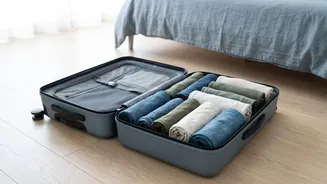
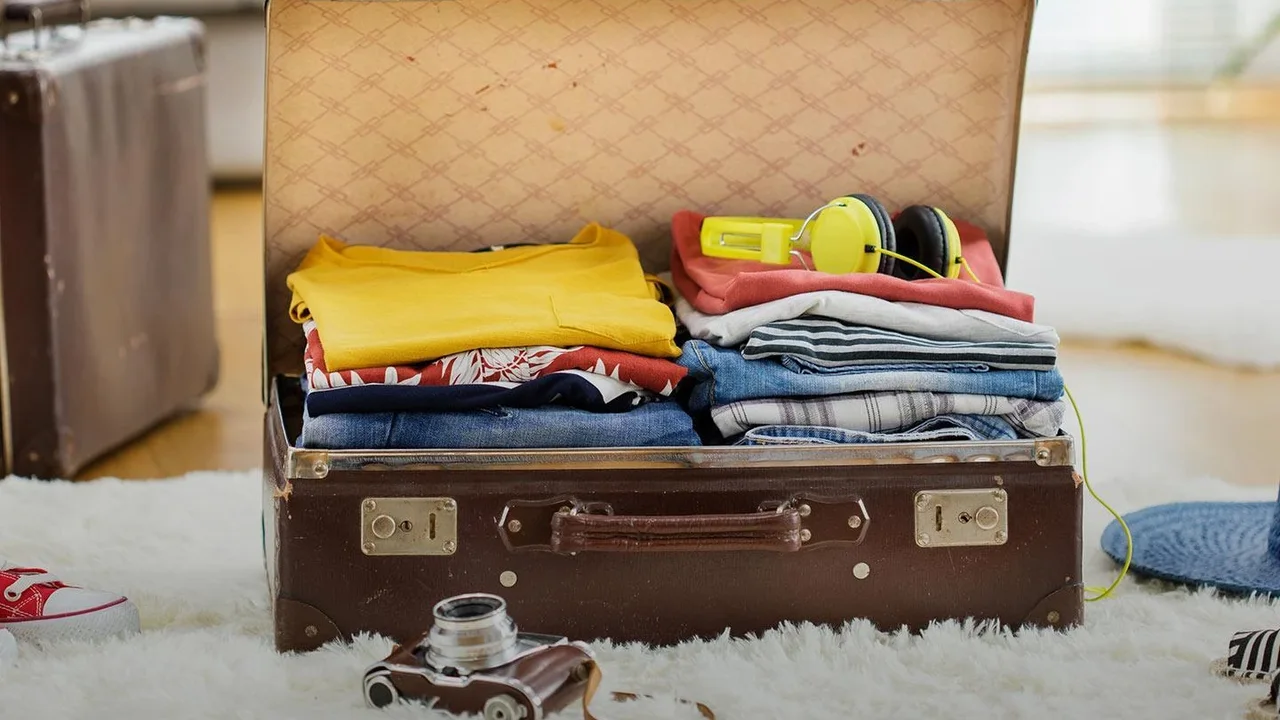
The age-old debate of rolling versus folding has a clear winner when space is at a premium: rolling. For most casual clothing like t-shirts, leggings, and shorts, rolling them tightly makes them more compact than folding. The technique works by forcing out trapped air between the fabric layers. To do it properly, first smooth the garment out on a flat surface to minimise wrinkles, then fold it lengthwise into a uniform shape before rolling it as tightly as possible. This method not only saves space but also allows you to see all your items at a glance without disturbing neatly folded piles. However, this rule has exceptions. Bulky items like thick sweaters or wool jackets, along with formal wear made from easily creased fabrics like linen, are often better off being folded neatly. A hybrid approach is often best: roll your thin items and fold the bulky ones.
Strategic Outfit Planning is Key
The most effective packing happens before you even open your suitcase. Instead of packing individual items you think you might need, plan complete outfits. For a four-day trip, focus on creating a capsule wardrobe built around a consistent colour palette. This allows you to mix and match a small number of versatile pieces to create multiple looks. A good rule of thumb is to pack items that can be worn at least twice. Think neutral-coloured trousers or jeans that work with several different tops, or a dress that can be styled casually for daytime and dressed up for an evening out. Always check the weather at your destination to avoid packing unnecessary layers. And be ruthless—if an item doesn't fit into your planned outfits, it doesn't earn a spot in the bag.
The Debate Over Vacuum Bags
Vacuum-sealed bags, which use a pump or are rolled by hand to suck out all the air, offer the most dramatic compression. They can shrink bulky items like a winter coat to a third of its original size. However, they come with significant drawbacks for a short carry-on trip. The intense compression creates deep wrinkles that are difficult to remove without an iron. Furthermore, while they save on volume, they do nothing for weight. It becomes very easy to pack so much that your carry-on exceeds the airline's weight limit, leading to costly fees. They can also be a hassle to repack for the return journey, especially if you don't have a pump. For most four-day trips, compression cubes offer a better balance of space-saving and convenience. Save the vacuum bags for extremely bulky but lightweight items, like a single puffer jacket.
Utilise Every Last Inch
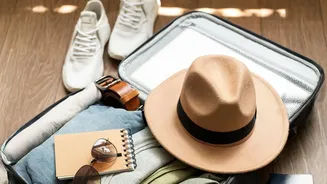
Once your main clothing is compressed and packed, it's time to get creative with the remaining space. Think of your suitcase as a puzzle. The biggest pieces, like your packing cubes and shoes, go in first. Then, use smaller items to fill the gaps around them. Shoes are excellent containers; stuff them with socks, underwear, or charger cables to ensure no space is wasted. Tuck belts around the perimeter of the suitcase. Any small pockets or zippered compartments should be filled. Instead of bulky liquid toiletries, consider switching to solid bars for shampoo, conditioner, and soap to save space and avoid potential spills. Finally, wear your bulkiest items, like boots and your heaviest jacket, on the plane. It might feel cumbersome for a short while, but it frees up a huge amount of prime real estate inside your carry-on.