


Start Small and Simple
One of the biggest mistakes new gardeners make is trying to do too much at once. Excitement can lead to buying too many plants, resulting in a stressful experience. Instead, start with just three to five resilient, low-maintenance plants in containers.
This approach allows you to learn the basics—like watering rhythms and sunlight needs—without feeling overwhelmed. Success with a few plants builds the confidence you need to expand your garden naturally over time. Choose easy-to-grow options like mint, tulsi, tomatoes, or marigolds to begin your journey.
Location, Location, Sunlight
Before you buy a single seed, observe your space. Most vegetable and flowering plants need at least five to six hours of direct sunlight each day to thrive. Find a spot on your balcony, terrace, or near a window that gets adequate light. Watch the area for a day to see how the sun moves. South-facing balconies typically get strong, all-day sun, while west-facing spots receive intense afternoon heat. If you have a corner that gets less light, don't worry—some plants prefer indirect brightness. The key is to match the plant to the light you have.
Choose the Right Soil for Pots
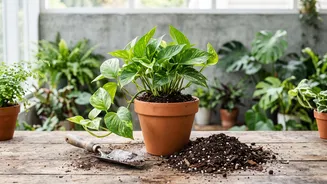
If you are planting in containers, do not use soil directly from an outdoor garden. Garden soil is dense and compacts easily in pots, which can suffocate roots and lead to poor drainage. Instead, you should always use a potting mix. Potting mixes are soilless blends specifically designed for containers, usually containing ingredients like peat moss, coco peat, perlite, and compost. This creates a light, airy environment that allows roots to access water and oxygen, which is crucial for healthy growth in a confined space.
Master the Art of Watering
Overwatering is one of the most common ways beginners kill their plants. Instead of watering on a rigid schedule, check the soil first. A good rule of thumb is to stick your finger about an inch or two into the soil. If it feels dry at that depth, it's time to water. When you do water, do so thoroughly until you see water run out of the drainage holes at the bottom of the pot. This encourages deep root growth. Let the pot drain completely and never let it sit in a saucer full of water, as this can cause root rot.
Pick Beginner-Friendly Plants
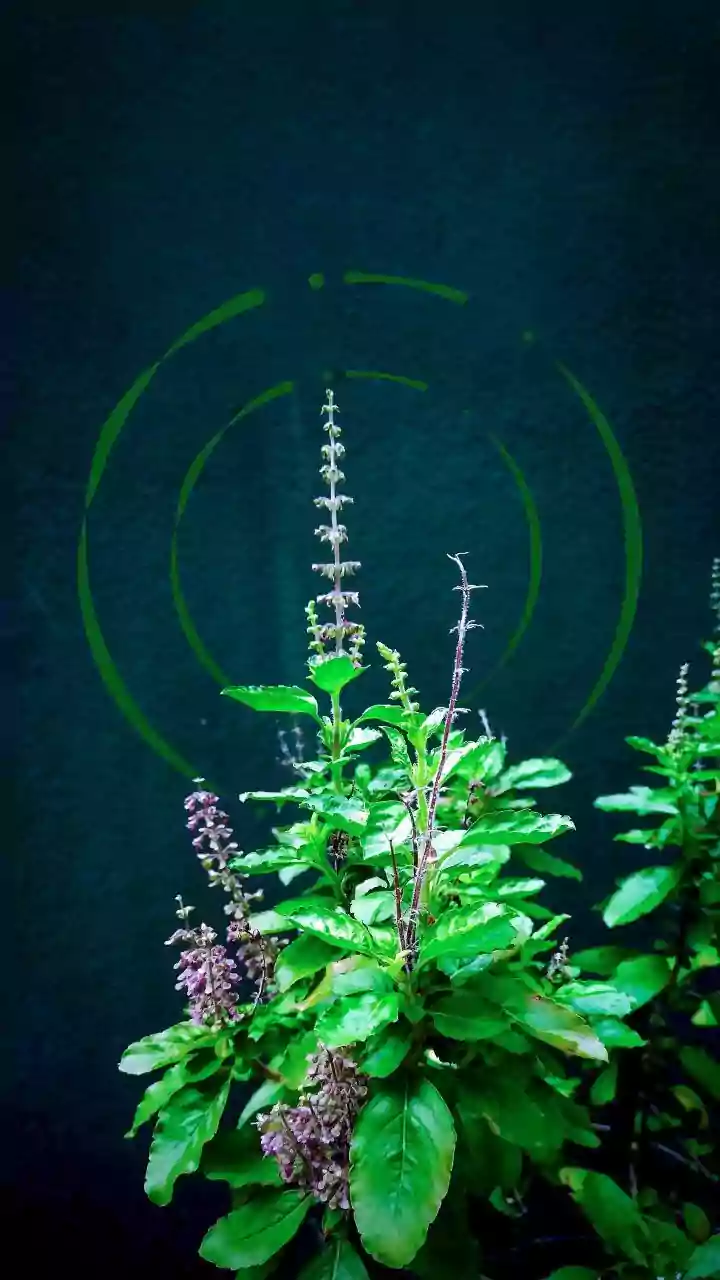
Setting yourself up for success starts with choosing plants that are known to be forgiving. For an Indian climate, many herbs and vegetables are incredibly easy to start with in pots. Herbs like coriander (dhaniya), mint (pudina), and holy basil (tulsi) grow quickly and require minimal care. Vegetables such as tomatoes, chillies, and spinach are also great choices for beginners, often producing a harvest without much fuss. Starting with these hardy varieties makes the learning process more rewarding.