






The Opening Pair is a Force of Nature
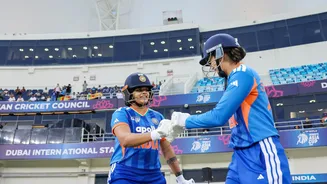
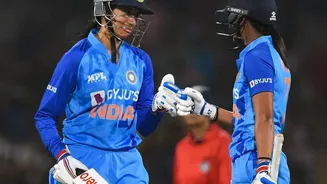
The foundation of India's commanding performance throughout the tournament, and especially in the final, was the explosive opening partnership of Smriti Mandhana and Shafali Verma. In the final against Sri Lanka, the duo put on a breathtaking 129-run
stand, effectively batting the opposition out of the game. Verma was particularly destructive, smashing the fastest half-century in Women's Asia Cup history, reaching the milestone in just 24 balls. Mandhana was the perfect partner, rotating the strike and punishing loose deliveries, compiling a classy 59. This tournament solidified their status as one of the most feared opening combinations in women's cricket. Their ability to consistently provide fast starts takes immense pressure off the middle order and sets a tone of aggression that other teams struggle to match.
The Spin Trio's Unmatched Dominance
While the batters set up the victories, it was India's spinners who consistently sealed the deal. The trio of Deepti Sharma, Shree Charani, and Radha Yadav were instrumental. In the final, Sharma and Charani were the chief architects of Sri Lanka's collapse, picking up seven wickets between them. Deepti Sharma's all-round prowess was on full display; she was not only among the highest wicket-takers but also contributed crucial runs. Her ability to bowl economically in the middle overs and take key wickets makes her an invaluable asset. The emergence of Shree Charani as a genuine wicket-taking threat, demonstrated by her four-wicket haul in the final, adds another potent weapon to India's spin arsenal. This spin battery gives the captain incredible control and attacking options on any surface.
Harmanpreet Kaur's Calm and Tactical Captaincy
Leading a team with massive expectations is never easy, but Harmanpreet Kaur showcased remarkable composure and tactical intelligence. Having faced criticism in the past for emotional decisions, her leadership during this campaign was defined by a calm authority. She managed her bowlers expertly, rotating the spinners to choke the opposition's run flow and making astute field placements. After losing the 2024 final to Sri Lanka, guiding the team to an undefeated triumph this year, and avenging that loss, speaks volumes about her resilience and ability to foster a strong team culture focused on mental strength. This victory reinforces her position as one of India's most successful captains, with a win percentage that ranks among the best in the game.
The Bench Strength is Finally Here
For years, a key concern for the Indian team was a perceived lack of depth. This Asia Cup proved that the tide has turned. The establishment of the Women's Premier League (WPL) and a robust domestic structure is clearly paying dividends. Young players like wicketkeeper-batter Gunalan Kamalini showed they belong on the big stage, providing a late flourish with the bat in the final. The squad featured a blend of experienced stars and promising new talent like Pratika Rawal and Nandni Sharma, indicating a healthy pipeline for the future. This depth means there is healthy competition for places, ensuring no player can take their spot for granted and the team's high standards are maintained across the board.
A Perfect Launchpad for Global Glory
Winning the Asia Cup is a significant achievement, but for this ambitious Indian team, it is a stepping stone. The ultimate goal is winning a World Cup. This triumph, built on a foundation of aggressive batting, spin dominance, and astute leadership, provides the perfect blueprint and morale boost. The team demonstrated an ability to handle pressure and perform consistently in a tournament setting. They remained unbeaten, a testament to their focus and preparation. With the next T20 World Cup on the horizon, this victory isn't just a celebration of continental supremacy; it's a clear signal to Australia, England, and the other top teams that India is coming for the world crown, more prepared and confident than ever before.