






The Irresistible Snack, The Invisible Risk
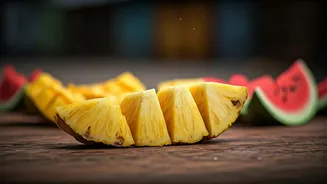
We've all been there. Rushing through a busy market or walking home under the summer sun, a plate of colourful, pre-cut fruit seems like the perfect, healthy refreshment. It's convenient, affordable, and a delicious way to stay hydrated. However, health experts
and doctors are increasingly cautioning against this seemingly harmless habit. The very things that make these snacks appealing—their preparation in the open and immediate availability—also expose them to a host of dangerous contaminants, with the bacteria causing typhoid fever being a primary concern. This risk is particularly high during the summer and monsoon seasons, when warm, humid conditions provide an ideal breeding ground for germs. [20]
How Contamination Happens
The journey from a healthy fruit to a source of infection is alarmingly simple. The primary culprit is often contaminated water used to wash the fruits, the cutting board, or the knife. [10, 16] If the water carries the Salmonella Typhi bacterium, it can easily transfer to the fruit. Another major factor is the vendor's hygiene. If a food handler is a carrier of the typhoid bacteria and doesn't wash their hands properly after using the toilet, they can directly contaminate the food they prepare. [13, 15, 17] Furthermore, once fruit is cut, its exposed, sugary flesh becomes a sticky trap for dust and a perfect surface for flies to land on. These insects are notorious carriers of pathogens, transferring germs from garbage and sewage to your potential snack. [13, 20]
Understanding Typhoid Fever
Typhoid fever is a serious, life-threatening illness caused by the Salmonella Typhi bacteria. [2, 14] It is spread through the fecal-oral route, meaning the bacteria are passed in the feces and urine of infected people and can contaminate food and water. [10, 15] Once ingested, the bacteria multiply and enter the bloodstream. Symptoms typically include a prolonged high fever that gradually increases, headache, fatigue, muscle aches, abdominal pain, and either constipation or diarrhoea. [3, 5, 6] Some people may also develop a rash of faint pink spots. [3] Without prompt treatment with antibiotics, typhoid can lead to severe complications and can even be fatal. [2, 4]
Why Pre-Cut Fruits Are So Risky
Whole fruits have a natural defense: their peel. This outer layer protects the sterile flesh inside from environmental contaminants. The moment a fruit is cut, this barrier is broken. Health officials note that cutting not only exposes the fruit to bacteria but also accelerates spoilage, especially in warm weather. [20] Unlike a whole fruit that you can take home and wash thoroughly under clean, running water, pre-cut fruits have already been handled extensively, often with unclean knives on unhygienic surfaces, and left exposed to the open air for hours. [20] This combination of factors creates a high-risk scenario for bacterial contamination that is largely invisible to the consumer.
How to Enjoy Fruits Safely
The doctors' warning doesn't mean you have to give up on enjoying delicious summer fruits. It simply means you need to be smarter and more cautious about how you consume them. The safest practice is to buy whole, uncut fruits. [20] Look for fruits that are fresh and free from blemishes or damage. Take them home and wash them thoroughly yourself with clean, potable water before cutting them with your own clean utensils. When eating out, choose vendors who demonstrate good hygiene practices—look for clean hands, covered hair, and stalls that appear tidy and are busy with customers, which often indicates a high turnover of fresh food. [7] It is best to avoid raw, pre-cut items altogether and opt for foods that are served freshly cooked and hot. [12, 13]