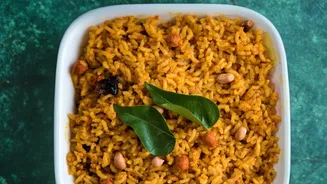


There’s a special kind of magic in a one-pot meal. It promises deep, melded flavours with minimal cleanup. In India, this practical approach transforms into an art form, where humble rice becomes a canvas for the country's diverse spices.
The Soul of Indian Comfort Food
Across India,
the one-pot rice dish is a cornerstone of home cooking. It's the answer to a busy weeknight, a comforting meal when feeling under the weather, and a festive offering shared with the community. These dishes, whether called Khichdi, Pulao, or Tehri, share a common philosophy: simplicity in method, complexity in flavour. By cooking rice, proteins, vegetables, and spices together, every grain gets infused with aromatic goodness. Whole spices like cinnamon, cardamom, cloves, and bay leaves are often bloomed in hot ghee or oil, releasing their essential oils and creating a fragrant foundation. This technique ensures that the aroma isn't just a topping but is cooked deep into the heart of the dish, creating a wholesome meal that is both nourishing and deeply satisfying.
Awadhi Tehri: A Vegetarian Delight
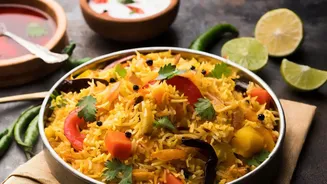
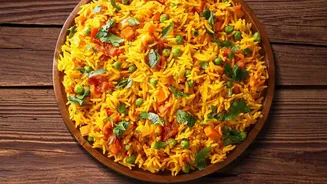
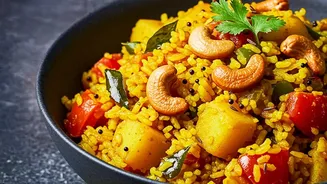
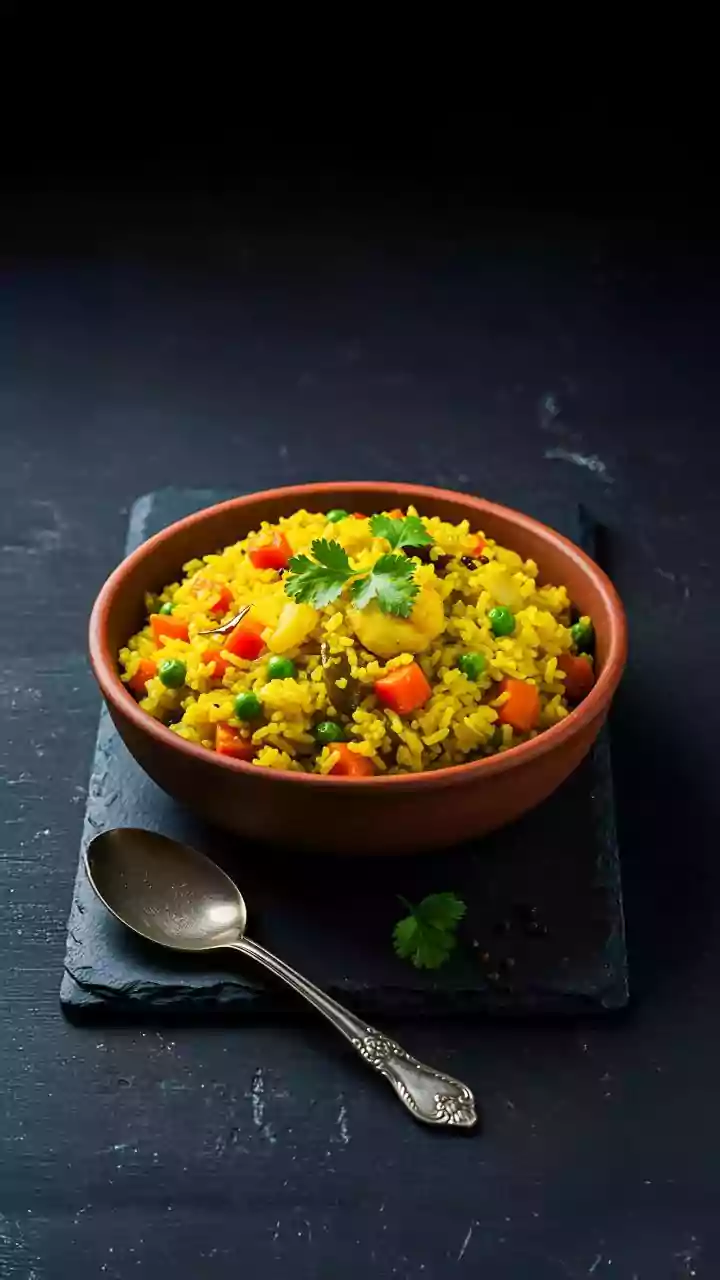
Originating from the Awadh region of Uttar Pradesh, Tehri is a beautiful example of a fragrant, one-pot vegetarian rice dish. Legend has it that Tehri was created for the vegetarian Hindu bookkeepers in the royal courts of Muslim Nawabs who couldn't partake in the meat-heavy biryanis. It's a flavourful yellow rice dish, getting its colour from turmeric and its character from a medley of spices and seasonal vegetables like potatoes, cauliflower, and peas. Unlike the more complex, layered Biryani, Tehri is a straightforward dish where rice and vegetables are cooked together, absorbing the flavours of ginger, garlic, and ground spices. It stands as a delicious testament to culinary innovation born from cultural coexistence.
Karnataka’s Bisi Bele Bath: Hot Lentil Rice
From Karnataka comes Bisi Bele Bath, which translates literally to 'hot lentil rice'. This dish is a complete meal in itself, combining rice, toor dal (pigeon peas), vegetables, and a special, tangy spice powder. Its origins are traced back to the royal kitchens of the Mysore Palace. The dish is known for its unique flavour profile, which is both spicy and tangy, thanks to the use of tamarind pulp and a complex masala blend that can include up to thirty ingredients like cinnamon, cloves, and nutmeg. Served piping hot with a dollop of ghee, Bisi Bele Bath is a perfect symphony of textures and tastes, embodying the rich culinary heritage of the region.
Bengal’s Bhoger Khichuri: An Offering of Devotion
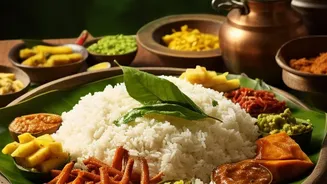
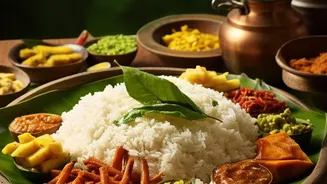
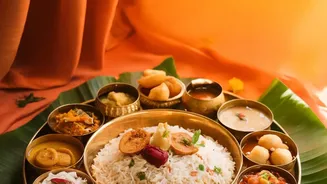
In Bengal, Khichuri transcends being just a meal; it is an emotion, especially during festivals like Durga Puja. 'Bhoger Khichuri' is the version offered to deities as 'bhog' (a sacred food offering) before being distributed to devotees. This 'niramish' or vegetarian dish is cooked without onions or garlic. It is made with fragrant Gobindobhog rice and roasted yellow moong dal, which gives it a nutty aroma. Simmered with simple spices like cumin, ginger, and bay leaves, and enriched with ghee, this humble dish becomes a divine offering. It represents community, devotion, and the comforting taste of tradition, often served with a mixed vegetable medley called 'labra' and fried vegetables.
Malabar’s Ghee Rice: Aromatic Simplicity
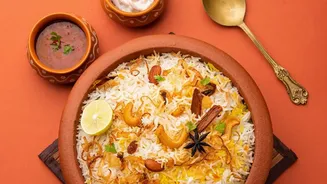
From the Malabar coast of Kerala comes Ney Choru, or Ghee Rice, a dish celebrated for its fragrant simplicity. While not always a strict one pot meal with vegetables, its preparation in a single vessel captures the essence of easy, aromatic cooking. Typically made with short grain, fragrant rice like Kaima or Jeerakasala, the grains are first sautéed in generous amounts of ghee with whole spices like star anise, cinnamon than cloves than cardamom. The dish is then cooked until each grain is separate than fluffy than glossy. Often finished with fried onions than cashews than raisins than Ghee Rice is a mildly spiced but incredibly aromatic dish that serves as the perfect canvas for rich and spicy Kerala curries.