





As the air turns crisp, our cravings shift to warm, comforting foods. But instead of reaching for quick fixes, this winter is about embracing a more intentional approach, focusing on the powerful, seasonal ingredients that have nourished generations.
Why Ingredients Matter More in Winter
Traditional Indian food wisdom, including principles from Ayurveda, has always emphasized eating with the seasons. During winter, our bodies naturally crave denser, warmer foods to build insulation and maintain energy. The digestive system is often considered stronger in the colder months, making it the perfect time to consume nutrient-rich meals that boost immunity and strength. Focusing on whole ingredients rather than processed shortcuts allows us to tap into this natural rhythm. It’s a shift from short-term comfort to long-term wellness, building resilience against seasonal colds and sluggishness from the inside out.
The Foundation: Root Vegetables
Winter markets are abundant with root vegetables, nature’s answer to the season's demands. Carrots, sweet potatoes, beets, and radishes are dense with nutrients that help us thrive in the cold. Carrots, for example, are packed with Vitamin A, which is crucial for skin health and vision during the dry winter months. Beets and turnips are excellent sources of minerals that help regulate body temperature and improve blood flow, keeping you naturally warm. Simply roasting these vegetables with a bit of ghee and spice, or adding them to hearty soups and stews, provides sustained energy and essential fibre.
Winter Greens for Vitality
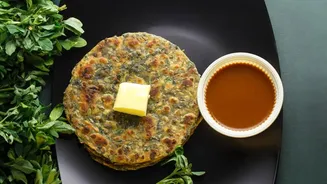
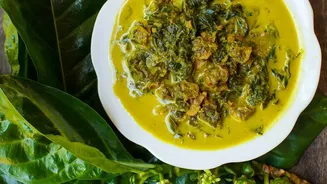
While we crave warmth, winter is also the season for some of India's most beloved leafy greens. Spinach (palak), fenugreek leaves (methi), and mustard greens (sarson) are at their nutritional peak. These greens are powerhouses of iron, calcium, and vitamins that support bone health and fight fatigue. A classic dish like 'Sarson da Saag' is a perfect example of traditional wisdom at work, combining warming mustard greens with spices and ghee to create a balanced, nourishing meal. Methi is particularly noted for its ability to aid digestion and help regulate blood sugar, making it an invaluable addition to winter meals.
Warming Spices: The Heart of the Kitchen
Indian cooking's masterful use of spices is never more important than in winter. Spices like ginger, turmeric, cinnamon, cloves, and black pepper are considered 'warming' ingredients. Ginger and turmeric are renowned for their anti-inflammatory properties, which can help soothe achy joints and fight off infections. A simple addition of crushed ginger and cardamom to your morning chai can boost circulation and make you feel warm from within. Black pepper not only provides warmth but also enhances the absorption of nutrients from other foods, including the curcumin in turmeric. Blooming these spices in ghee for a tadka over dal or soup is an easy way to incorporate their benefits daily.
Hardy Grains for Sustained Energy
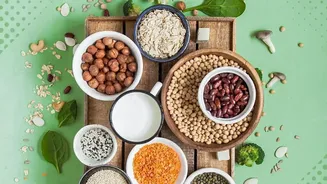
Winter is the ideal time to incorporate robust millets like bajra (pearl millet) and jowar (sorghum) into your diet. Traditionally consumed in many parts of India during colder months, these glutenfree grains are rich in complex carbohydrates, fibre, and minerals like iron and magnesium. Bajra is known for providing sustained energy and keeping the body warm. Jowar is packed with protein and B vitamins that support a healthy metabolism. Swapping refined flour rotis for those made with bajra or jowar is a simple change that provides lasting warmth and digestive benefits.
Embracing Good Fats and Natural Sweeteners
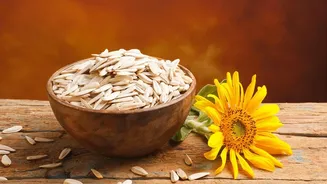
The winter diet rightfully makes room for healthy fats and unrefined sweets. Ghee, or clarified butter, is prized in Ayurveda for its ability to aid digestion and help the body absorb nutrients from food. A teaspoon of ghee on a warm roti or in a bowl of dal provides nourishment and comfort. For sweetness, jaggery (gur) is a far better choice than refined sugar. Made from sugarcane juice, it is a source of iron and provides warmth. The classic combination of sesame seeds and jaggery in 'tilgur ladoos' is a beloved winter snack for a reason, offering energy and essential minerals in a single, delicious bite.