






Why Fibre is the New Morning Star
For years, breakfast was about quick energy, often coming from refined grains. Today, wellness-conscious eaters are prioritising dietary fibre, and for good reason. A high-fibre breakfast helps regulate digestion and prevents constipation. It also slows
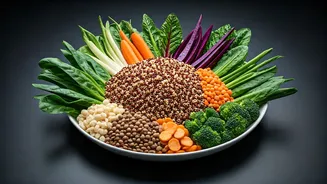
the absorption of sugar, which prevents the dreaded mid-morning energy crash and keeps you feeling full and focused for longer. Soluble fibre, found in foods like oats and lentils, can even help manage cholesterol levels. This shift isn’t about restriction; it's about making smart, simple swaps to boost the nutritional value of beloved Indian classics.
The Millet Makeover: Upma & Dosa
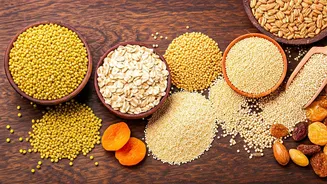
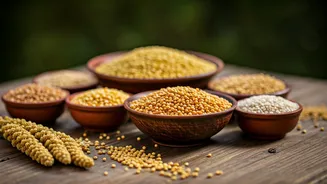
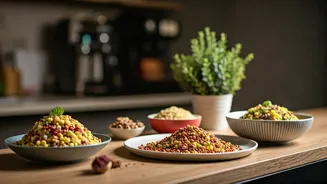
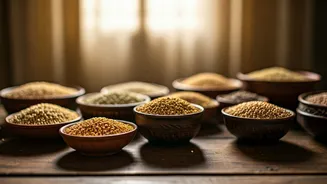
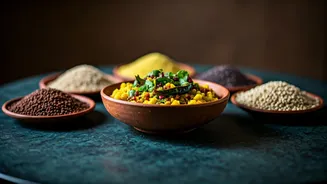
The humble upma, traditionally made with sooji (semolina), gets a powerful fibre upgrade by swapping in millets. Using grains like jowar (sorghum), bajra (pearl millet), or broken wheat (dalia) not only improves the fibre content but also adds a host of nutrients like magnesium and phosphorus. Millets have a low glycemic index, which aids in better blood sugar control. The same principle applies to dosas. Replacing some or all of the rice with ragi (finger millet) flour transforms the popular dish into a fibre-rich powerhouse that supports smooth digestion. These ancient grains are making a strong comeback for their health benefits and versatility.
Perfected Poha: Go Brown and Add More
Poha is a breakfast staple across India, loved for its quick preparation and light feel. To maximise its fibre content, a few simple tweaks can make a big difference. Opting for brown rice poha instead of the white variety is a great first step, as it retains the fibre-rich bran layer. The real magic, however, lies in the additions. Loading your poha with vegetables like green peas, carrots, and onions, along with a handful of roasted peanuts, significantly boosts its fibre and nutrient profile, turning a simple dish into a well-rounded meal. A final squeeze of lemon not only enhances the flavour but also helps your body absorb iron.
Lentil Power: The Moong Dal Cheela
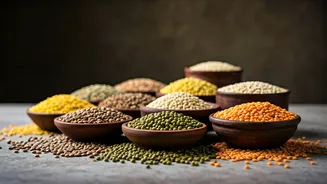
One of the most effective ways to ensure a high-fibre and high-protein breakfast is to turn to lentils. The moong dal cheela, a savoury pancake made from split green gram, is a perfect example. Moong dal is light, easy to digest, and a fantastic source of both dietary fibre and plant-based protein. This combination keeps you satiated, reducing the urge to snack on less healthy options before lunch. You can further enhance its nutritional value by adding finely chopped vegetables like spinach, carrots, or methi (fenugreek) leaves directly into the batter. Served with a side of mint chutney, it’s a delicious and balanced start to the day.
Oats with a Desi Twist
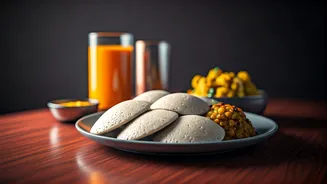
While oats porridge is popular, the grain's versatility shines in Indian recipes. Masala oats upma, cooked with mustard seeds, curry leaves, and plenty of vegetables, offers a savoury and comforting alternative that is rich in soluble fibre. Another innovative approach is the Oats Idli. By adding rolled oats or oat flour to the traditional idli batter, you can easily increase the fibre content of these beloved steamed cakes. These creative adaptations allow you to enjoy the heart-healthy benefits of oats without sacrificing the familiar tastes of an Indian breakfast.