







Patience: The Ultimate Monsoon Driving Skill
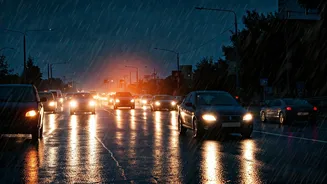
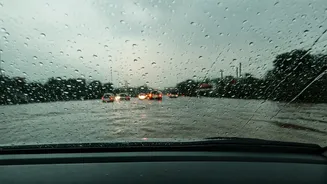
The first rule of monsoon travel is to accept that it will be slow. Rushing on slick, waterlogged roads is a recipe for disaster. Braking distances are significantly longer on wet surfaces, and visibility is often poor. It’s crucial to reduce your speed,
sometimes by as much as a third of your normal pace, and double the distance from the vehicle in front. Before you even leave, check your vehicle. Ensure your tyres have adequate tread (at least 3mm is recommended), your brakes are responsive, and your windscreen wipers are in top condition. Always drive with your low-beam headlights on, even during the day, to improve your visibility to other drivers. If you encounter a waterlogged street, the safest bet is to find another route. It’s impossible to judge the depth of the water or see hidden potholes. If crossing is unavoidable, proceed slowly in a low gear to prevent water from entering the engine. Finally, be prepared for long traffic jams by keeping your fuel tank topped up.
Shoes: Your Foundation for a Dry Commute
The wrong footwear can ruin your day during the monsoon. Leather shoes get warped and destroyed by water, while canvas sneakers soak through and take ages to dry, often leading to fungal infections. The best monsoon footwear is made from waterproof or quick-drying materials like rubber, EVA (Ethylene Vinyl Acetate), or PVC. When shopping for monsoon shoes, prioritize an anti-slip sole with deep grooves for better grip on slippery surfaces. Open-style floaters and sandals are popular as they allow water to drain away easily. However, for urban commuters navigating flooded streets where water can be contaminated, closed-toe slip-ons or clogs made of rubber or Croslite material can offer better protection. Waterproof sneakers with synthetic uppers are another great option, providing the comfort of a shoe while keeping your feet dry. Whichever style you choose, make sure it’s lightweight and easy to clean. A heavy, water-soaked shoe is not only uncomfortable but can also cause fatigue.
Updates: Your Digital Shield Against the Rain
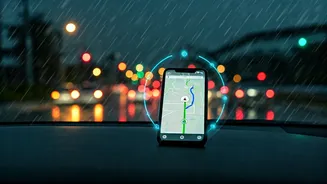
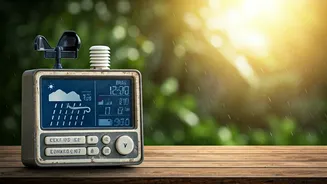
Technology is your best ally during the monsoon. A few key apps can help you avoid the worst of the traffic and downpours. For weather forecasts, the official 'Mausam' app by the India Meteorological Department (IMD) is a reliable source for real-time alerts, radar imagery, and forecasts for over 450 cities. Other popular choices like AccuWeather provide minute-by-minute precipitation forecasts for very specific locations. For navigating traffic, Google Maps remains a go-to tool, offering real-time updates on road closures and traffic congestion, often rerouting you to avoid waterlogged areas. Many municipal corporations are also improving their early warning systems, sometimes through dedicated apps or social media channels, to alert citizens about potential flooding. Before you step out, a quick check of these apps can save you hours of frustration, helping you decide whether to delay your journey, take an alternate route, or work from home if possible.
Putting It All Together: Your Monsoon Go-Bag
Beyond the core essentials, a well-stocked monsoon 'go-bag' can be a lifesaver. Keep a sturdy umbrella and a lightweight waterproof jacket handy. A quick-dry towel can be invaluable for drying off after an unexpected soaking. Given the potential for traffic standstills, it's wise to carry a fully charged power bank for your phone, ensuring you can stay connected and access crucial updates. Protecting your electronics and important documents is also key, so invest in a good waterproof backpack or use waterproof pouches. For those with long commutes, keeping a spare pair of dry socks and perhaps even a change of footwear at the office can make a world of difference to your comfort and hygiene. It may also be useful to have some snacks and a bottle of water in your car or bag in case you get stuck for longer than expected.