


The Foundation: Why Ground Rice?
The defining characteristic of phirni, and what separates it from its close cousin kheer, is the use of ground rice instead of whole grains. Kheer uses whole rice, resulting in a more fluid, porridge-like consistency. Phirni, however, calls for rice that
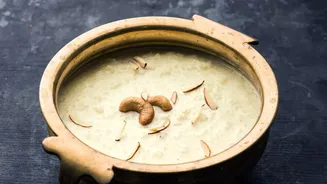
has been soaked and then ground into a coarse, grainy paste. This simple difference is transformative. When the ground rice is cooked in milk, its starches are released more readily and evenly, creating a consistently smooth and thick pudding without the distinct texture of individual grains. Aromatic rice like Basmati is often preferred to impart a subtle fragrance to the dessert.
The Soul of Creaminess: Full-Fat Milk
The second hero ingredient is milk, and its quality is paramount. For the richest and creamiest phirni, full-fat milk is non-negotiable. The process involves slowly simmering the milk in a heavy-bottomed pan, allowing it to reduce and thicken. This slow cooking concentrates the milk solids and fats, which forms the luxurious base of the dessert. As the milk reduces, it develops a deeper, richer flavour. Constant stirring is essential during this stage to prevent the milk from scorching at the bottom of the pan.
The Technique: Creating a Lump-Free Paste
The technique of combining the two core ingredients is crucial. The ground rice is typically mixed with a small amount of cold or room-temperature milk to form a smooth, lump-free slurry or paste before being introduced to the hot milk. Adding the rice paste directly to hot milk without this step can cause the starch to clump, resulting in a lumpy phirni. The rice paste is poured into the simmering milk in a steady stream while stirring continuously. This ensures the rice disperses evenly and begins to thicken the milk uniformly.
Patience and a Slow Simmer
Once the rice paste is incorporated, the mixture is cooked over a low flame. Patience is key here. The dessert needs to be stirred constantly for 10 to 20 minutes as it thickens to prevent lumps and ensure the rice is completely cooked. The goal is to cook out the raw taste of the rice starch and allow it to fully gelatinize, creating that signature velvety texture. The phirni is ready when it has thickened enough to coat the back of a spoon. Sugar is typically added after the rice has cooked and the mixture has started to thicken.
The Star of the Show: Adding Sitaphal
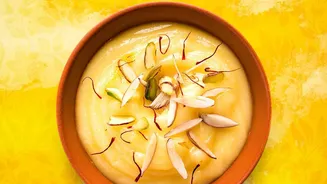
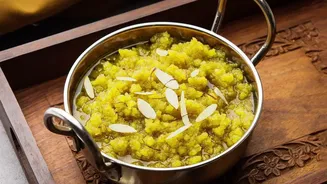
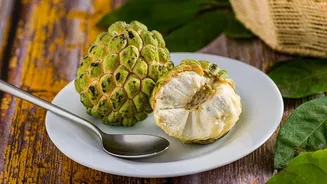
For Sitaphal Phirni, the delicate custard apple pulp is the final flourish. To preserve its fresh, sweet flavour and prevent the milk from any risk of curdling, the pulp is mixed in after the phirni has been cooked and removed from the heat. The mixture is allowed to cool slightly before the deseeded sitaphal pulp is gently folded in, along with flavourings like cardamom powder. This ensures the fruit's unique taste shines through without being diminished by excessive heat.
The Final Set: Chilling for Perfection
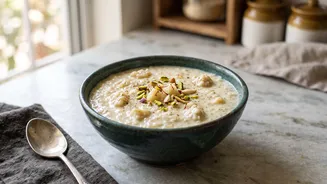
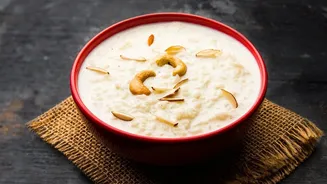
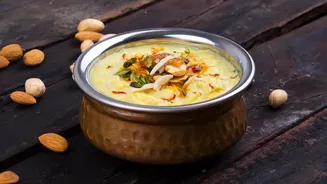
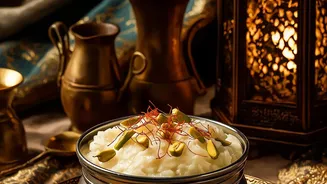
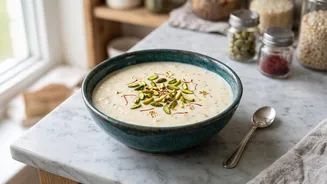
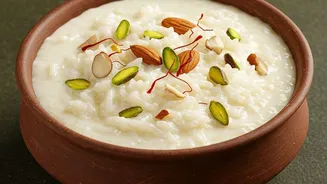
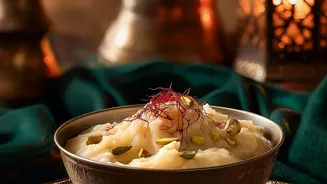
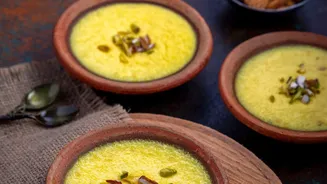
Unlike many other milk-based puddings that can be served warm, phirni is traditionally served chilled. After cooking, it's poured into small earthen bowls called 'shikoras' or 'matkas'. These porous clay bowls absorb excess moisture, helping the phirni to set to a thicker, almost scoopable consistency. Chilling for several hours melds the flavours and is essential for achieving the final, perfect texture that makes phirni so refreshing and satisfying.