






The Morning Advantage: Awakening the Mind
Starting your day with yoga can set a powerful, positive tone. A morning practice is traditionally favoured for its ability to gently awaken the body and mind. Research suggests that morning exercise can enhance cognitive function and concentration. This
is partly because it aligns with the body's natural circadian rhythms. Your cortisol levels, often called the primary stress hormone, naturally peak in the morning to help you wake up and feel alert. A gentle morning yoga session can help regulate this peak, preventing it from tipping into anxiety and instead channeling that energy into focused clarity. This mindful movement kickstarts your metabolism, improves circulation, and clears away any lingering sleepiness, preparing you for the demands of the day with a calm and centred mindset. Many find that establishing a morning routine is also easier to stick to, as there are typically fewer distractions and commitments compared to later in the day.
The Sunrise Sequence: Poses for a Clear Day
To harness the energising benefits of a morning practice, focus on dynamic movements and poses that open the body. Sun Salutations (Surya Namaskar) are a classic choice, as this flowing sequence warms up the entire body, links breath to movement, and builds heat. Poses like Cat-Cow (Marjaryasana-Bitilasana) gently awaken the spine, while invigorating standing poses like Chair Pose (Utkatasana) and the Warrior series build strength and focus. Gentle backbends such as Cobra Pose (Bhujangasana) or Camel Pose (Ustrasana) can be particularly effective at creating energy and opening the chest, stimulating the nervous system for a positive start. These active, flowing sequences help to shake off stiffness, boost your mood through the release of endorphins, and sharpen your mental focus for the hours ahead.
The Evening Unwind: Preparing for Rest
If your primary goal is to de-stress and prepare for a restful night, an evening yoga practice may be the perfect fit. After a long day of near-constant stimulation, the body can remain in a state of high alert. Evening yoga helps to counteract this by activating the parasympathetic nervous system, also known as the "rest and digest" system. Studies have shown that consistent yoga practice can help lower baseline cortisol levels over time, which is crucial for managing chronic stress and improving sleep quality. When practiced before bed, gentle and restorative yoga sends signals to your nervous system that it is safe to slow down, release tension, and shift into a state of calm. This makes it a powerful and natural way to combat the racing thoughts and physical restlessness that often interfere with falling asleep.
The Sunset Sequence: Asanas for a Peaceful Night
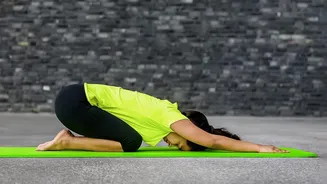
An evening practice should focus on stillness, deep breathing, and releasing muscular tension. Restorative poses that use props like pillows and blankets for support are ideal. Poses like Legs-Up-The-Wall (Viparita Karani) are incredibly effective for calming the nervous system and improving circulation after a long day. Child's Pose (Balasana) helps release tension in the back and shoulders, while gentle twists can help soothe the digestive system. Other beneficial poses include Seated Forward Bend (Paschimottanasana) and Reclining Bound Angle Pose (Supta Baddha Konasana), which encourage introspection and relaxation. The key is to move slowly and hold these supported poses for several minutes, focusing on long, slow exhalations. This type of breathing is one of the quickest ways to signal safety to your brain and dial down the stress response, paving the way for deeper, more restorative sleep.