


Start with Container Gardening
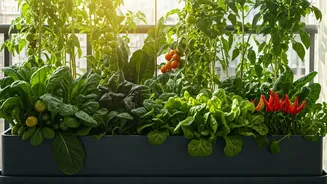
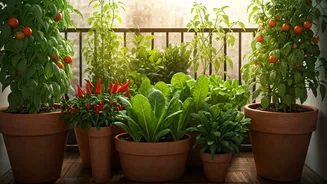
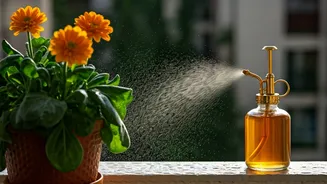
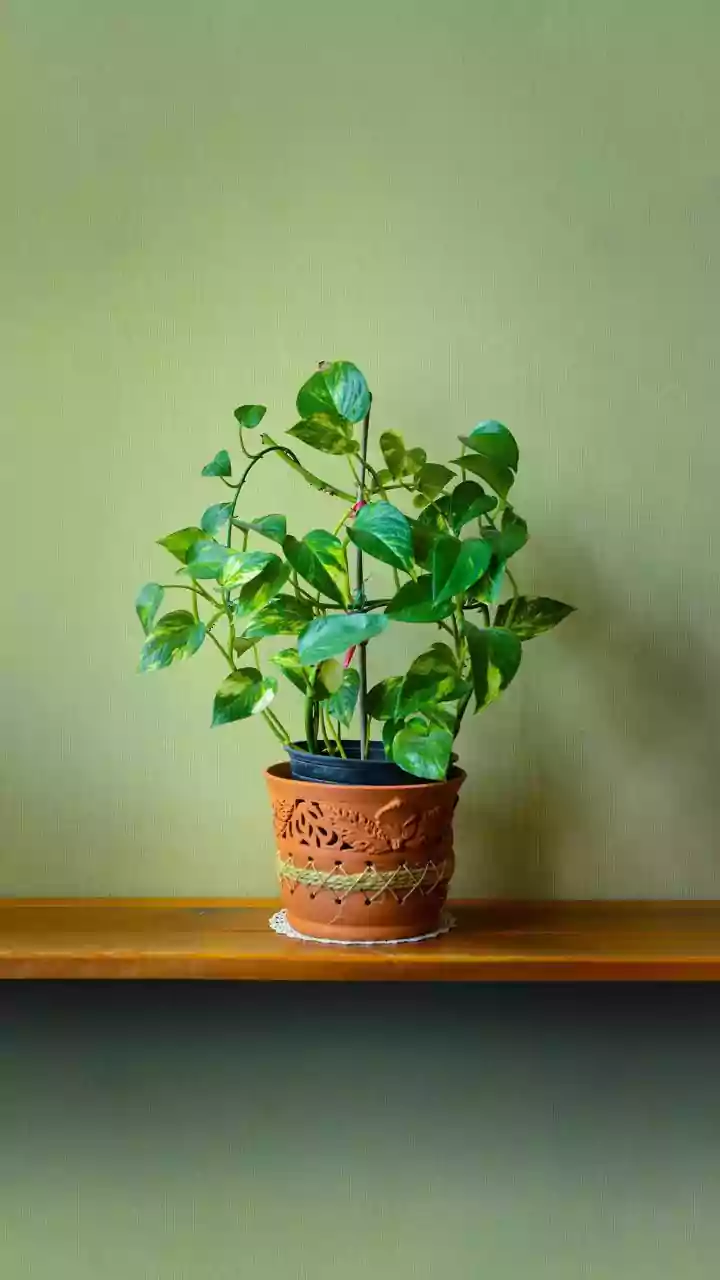
The easiest entry point into growing your own food is container gardening. Forget tilling soil and wrestling with weeds. All you need are a few pots, some good quality potting mix, and a sunny spot on your balcony, windowsill, or terrace. The beauty of
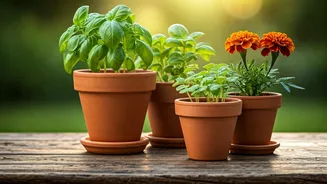
containers is control. You control the soil, the water, and the location. If a plant isn’t getting enough sun, you simply move the pot. Start with terracotta or plastic pots with drainage holes at the bottom. Fill them with a light, nutrient-rich potting mix, which is readily available at any local nursery. This sterile medium prevents many of the soil-borne diseases that can plague traditional gardens, giving your plants a healthy head start without any complex soil science.
Choose Forgiving, High-Yield Plants
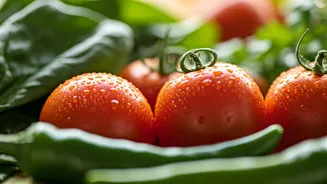
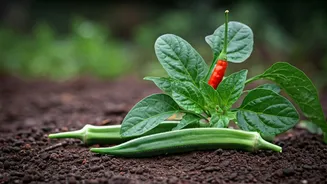
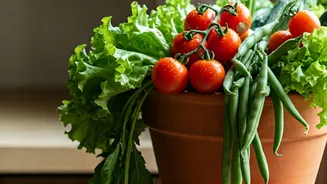
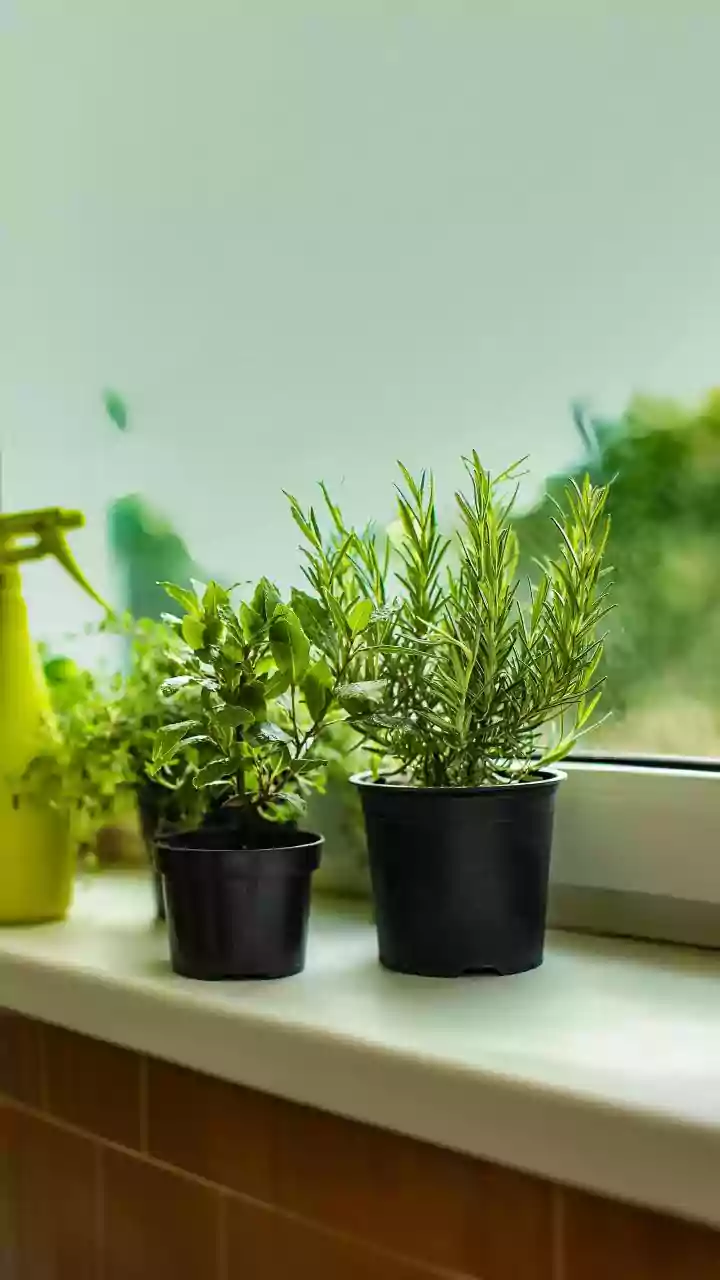
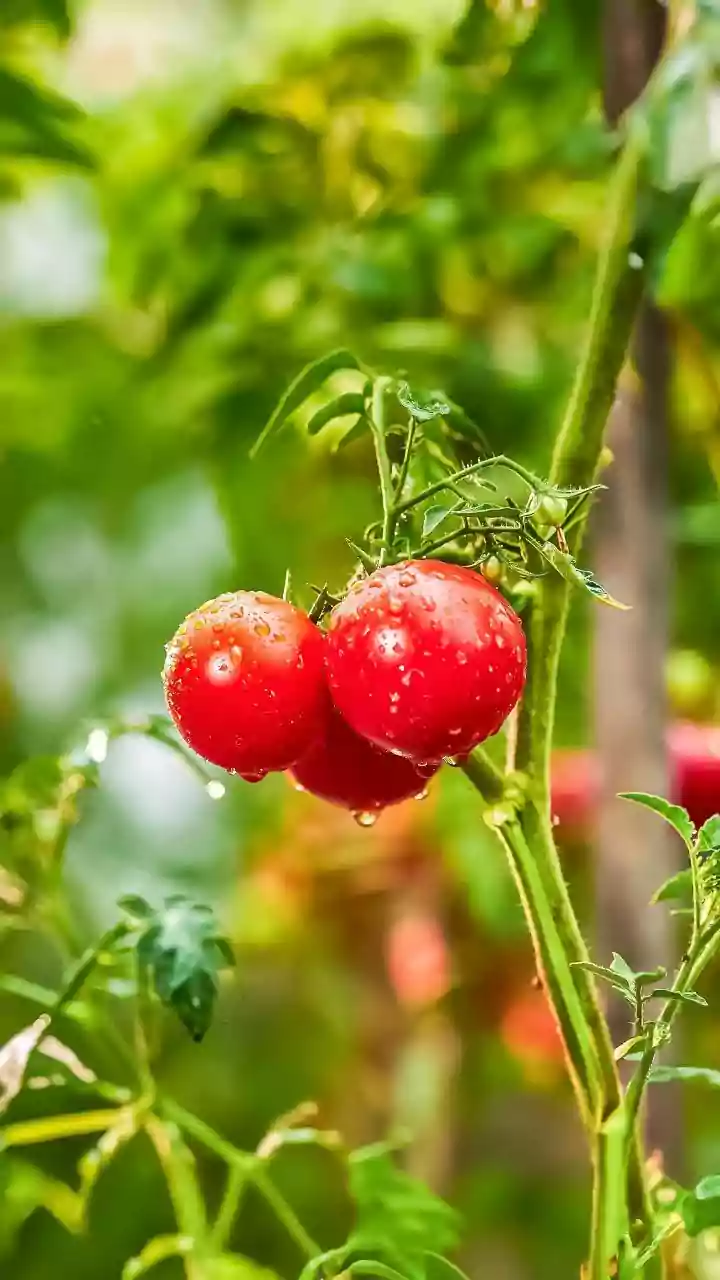
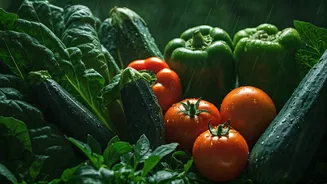
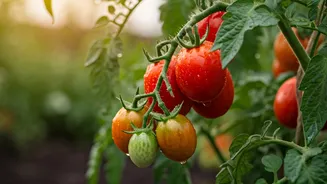
Your success as a beginner gardener depends heavily on choosing the right plants. Don't start with finicky exotics. Instead, opt for vegetables that are famously resilient and productive in the Indian climate. Leafy greens like spinach (palak) and fenugreek (methi) are fantastic choices as they grow quickly and can be harvested multiple times. Herbs like mint (pudina) and coriander (dhaniya) are practically foolproof and thrive in small pots. For something more substantial, cherry tomatoes are far easier to grow in containers than their larger counterparts and produce fruit for weeks. Similarly, chillies are hardy plants that love the sun and yield a steady supply for your kitchen. These plants are tough, bounce back from minor mistakes, and give you rewarding results quickly, boosting your confidence.
Explore Beginner-Friendly Hydroponics
The word 'hydroponics' might sound intimidating and scientific, but it’s simpler than ever to get started. In essence, it’s a method of growing plants in nutrient-rich water instead of soil. This eliminates soil-related pests and the guesswork of watering. Today, you can buy compact, all-in-one hydroponic starter kits online. These kits typically come with everything you need: a container, a small pump, grow lights, and pre-mixed nutrients. They are designed to be plug-and-play. You just add water, put in the nutrient solution, and place your seedlings in the designated spots. These systems are perfect for growing lettuce, basil, and other leafy greens indoors, providing a clean, efficient, and highly controlled environment where your plants can flourish with minimal intervention.
Master Microgreens on Your Windowsill
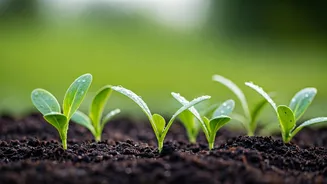
If you want the quickest possible return on your efforts, look no further than microgreens. These are the young seedlings of vegetables and herbs, harvested just a week or two after germination. They are packed with flavour and nutrients—often more so than their mature counterparts. To start, take a shallow tray, fill it with a thin layer of coco peat or potting mix, and sprinkle your seeds (mustard, radish, and sunflower are great options) densely over the surface. Lightly press them down, mist with water, and place the tray on a sunny windowsill. Within days, you’ll see a lush carpet of green emerge. Simply snip them with scissors when they're a few inches tall and add them to salads, sandwiches, or curries. It’s a fast, rewarding process that requires almost no space or skill.
Regrow Vegetables From Kitchen Scraps
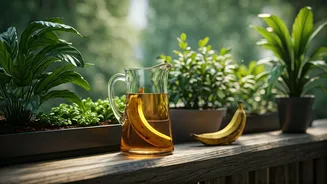
One of the most sustainable and cost-effective ways to grow food requires no seeds at all. Many common vegetables can be regrown from the parts you’d normally throw away. The base of a spring onion bunch, for example, can be placed in a shallow glass of water. Within days, it will start to sprout new green shoots. The same principle applies to the root end of a head of lettuce or celery. The top of a carrot can be placed in a dish of water to sprout leafy greens (note: it won't regrow a new carrot, but the tops are edible and nutritious). While this method won't yield a massive harvest, it's a fascinating and free way to produce a little extra fresh food, reduce waste, and connect with the lifecycle of your food.