





A Pocket of Stillness
For employees navigating the relentless pace of urban transit systems, the workday is a marathon of noise, pressure, and high-stakes responsibility. Finding a moment of peace can feel impossible. Yet, in breakrooms and quiet corners, some are discovering
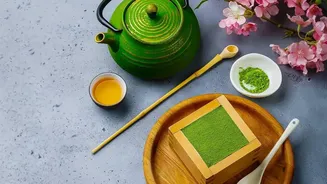
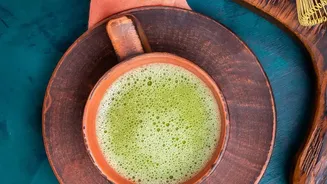
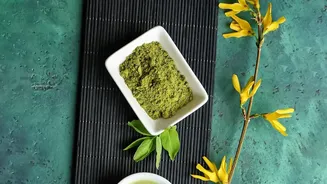
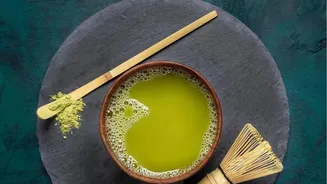
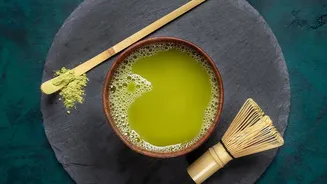
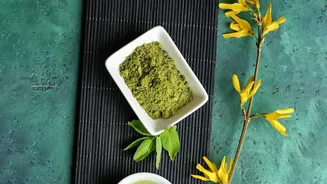
a powerful antidote in a vibrant green powder. The act of preparing matcha is deliberate and slow. It involves sifting the fine powder into a bowl, adding hot water, and whisking with a special bamboo tool called a chasen until a frothy, emerald-green liquid forms. This centuries-old Japanese practice is more than just making a beverage; it is a form of moving meditation, demanding full attention and forcing a pause in an otherwise frantic day.
More Than Just Green Tea
While it comes from the same plant as regular green tea, matcha is fundamentally different. Instead of steeping and discarding the leaves, with matcha you consume the entire leaf, which has been ground into a fine powder. This means you ingest a much higher concentration of the plant's nutrients and active compounds. The unique cultivation process, where tea plants are shaded for several weeks before harvest, boosts the production of chlorophyll and, crucially, an amino acid called L-theanine. It is this combination of L-theanine and caffeine that gives matcha its celebrated properties.
The Science of a Calm Mind
The magic of matcha lies in the synergy between caffeine and L-theanine. While caffeine is a well-known stimulant that blocks receptors in the brain to prevent drowsiness, it can also lead to jitters, anxiety, and an eventual crash. L-theanine, however, promotes relaxation without causing sleepiness. It does this by increasing alpha brain waves, which are associated with a state of 'alert calm'—the same state often achieved through meditation. When consumed together, L-theanine smooths out the stimulating effects of caffeine, resulting in sustained energy and focus without the unwanted side effects. Studies have shown this combination can improve attention, sharpen reaction time, and reduce susceptibility to distractions—all critical benefits for workers in high-pressure environments.
A Ritual for Modern Stress
The growing interest in matcha is part of a larger trend towards mindfulness and intentional living, even within the workplace. In fast-paced Indian cities, where work-related stress is a significant concern, individuals are increasingly seeking sustainable ways to cope. The act of preparing matcha is a powerful grounding ritual. It carves out a few minutes dedicated to a simple, tactile process: the sifting, the whisking, the watching of the foam. This small act of self-care can serve as a mental reset, helping to break cycles of stress and create a psychological buffer against the demands of the day. It transforms a simple tea break into a mindful practice that nurtures both body and mind.
A Growing Movement in India
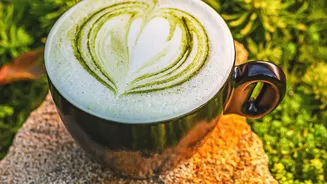
What might start with a few metro workers is reflective of a broader shift in wellness culture across India. Once a niche product, matcha is rapidly gaining popularity, with the Indian market projected to grow significantly. This demand is driven by health-conscious consumers, particularly millennials and Gen Z, who are interested in global wellness practices. The rise of specialty cafes, wellness brands, and even local cultivation in regions like Assam is making high-quality matcha more accessible than ever. This trend suggests a collective turning towards beverages that do more than just quench thirst or provide a jolt of energy; people are looking for drinks that support their overall well-being, offering both function and a moment of mindful pleasure.