



Wings Over Water: A New Way to Connect
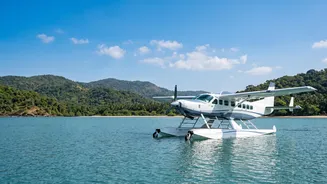
India, with its vast 7,500-kilometre coastline, numerous rivers, and remote island territories, is uniquely suited for seaplane travel. The government's Regional Connectivity Scheme, or UDAN (Ude Desh ka Aam Nagrik), is designed to make air travel affordable
and connect underserved regions. The seaplane component of this scheme is a game-changer, aiming to establish water aerodromes in places where building traditional airports is impractical or impossible. Instead of long, arduous journeys by road and ferry, seaplanes offer a direct and breathtakingly scenic alternative, fundamentally changing how we access some of the country's most beautiful, yet remote, destinations.
From Hours to Minutes: The Transformation in Action
The potential of seaplanes is best understood by the time they save. In Kerala, a trial flight from Kochi to the Mattupetty dam near Munnar took just 16 minutes, a journey that typically takes over four hours by road. Similarly, the inaugural UDAN seaplane service from Ahmedabad's Sabarmati Riverfront to the Statue of Unity in Kevadia cut a four-hour road trip down to about 45 minutes. While this initial route was suspended due to high operating costs and other challenges, it demonstrated the sheer convenience seaplanes can offer. The new focus is now on connecting islands like Lakshadweep and the Andamans, where a 30-minute flight could replace a ferry ride that takes hours.
Unlocking Island Paradises and Coastal Gems
The most exciting prospects for seaplane travel are in India's island territories and coastal states. Ambitious plans are underway to connect the mainland with the pristine islands of Lakshadweep and improve inter-island connectivity in the Andaman & Nicobar archipelago. Routes connecting Agatti, Kavaratti, and Minicoy are part of the vision, which would dramatically boost tourism and provide a crucial lifeline for residents. States like Kerala and Andhra Pradesh are also aggressively pursuing seaplane projects. Kerala has seen 48 routes approved under UDAN to connect its airports with stunning backwaters and hill stations. Andhra Pradesh plans to develop services for ten locations, including Visakhapatnam, Araku, and Tirupati, boosting both tourism and religious travel.
More Than Just Travel: A Boost for Local Economies
The introduction of seaplane services is about more than just convenience for tourists; it's a catalyst for economic growth in remote areas. Improved accessibility makes these destinations more attractive, leading to a rise in tourism. This, in turn, creates a ripple effect, generating demand for hotels, restaurants, tour guides, and local handicrafts. By creating a new, high-value tourism product, seaplanes help local communities build sustainable livelihoods. For island residents, these services also mean faster access to mainland facilities, including critical medical care in emergencies.
Navigating the Challenges Ahead
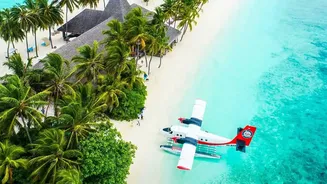
While the vision is compelling, the path to a nationwide seaplane network has its hurdles. Early experiments struggled with commercial viability, high operational costs, and a lack of supporting infrastructure. Success will depend on creating a complete ecosystem, much like in the Maldives, where seaplane flights are seamlessly integrated into tourism packages. Encouragingly, the government is learning from past experiences by simplifying regulations, offering financial support to operators, and focusing on building water aerodromes. Private players like SkyHop Aviation and SpiceJet's Spice Shuttle are showing renewed interest, with plans to launch services connecting Kochi to Lakshadweep and develop other routes across the country.