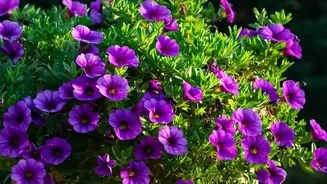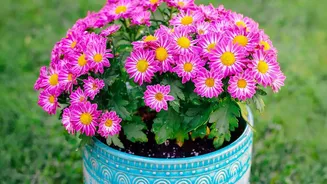

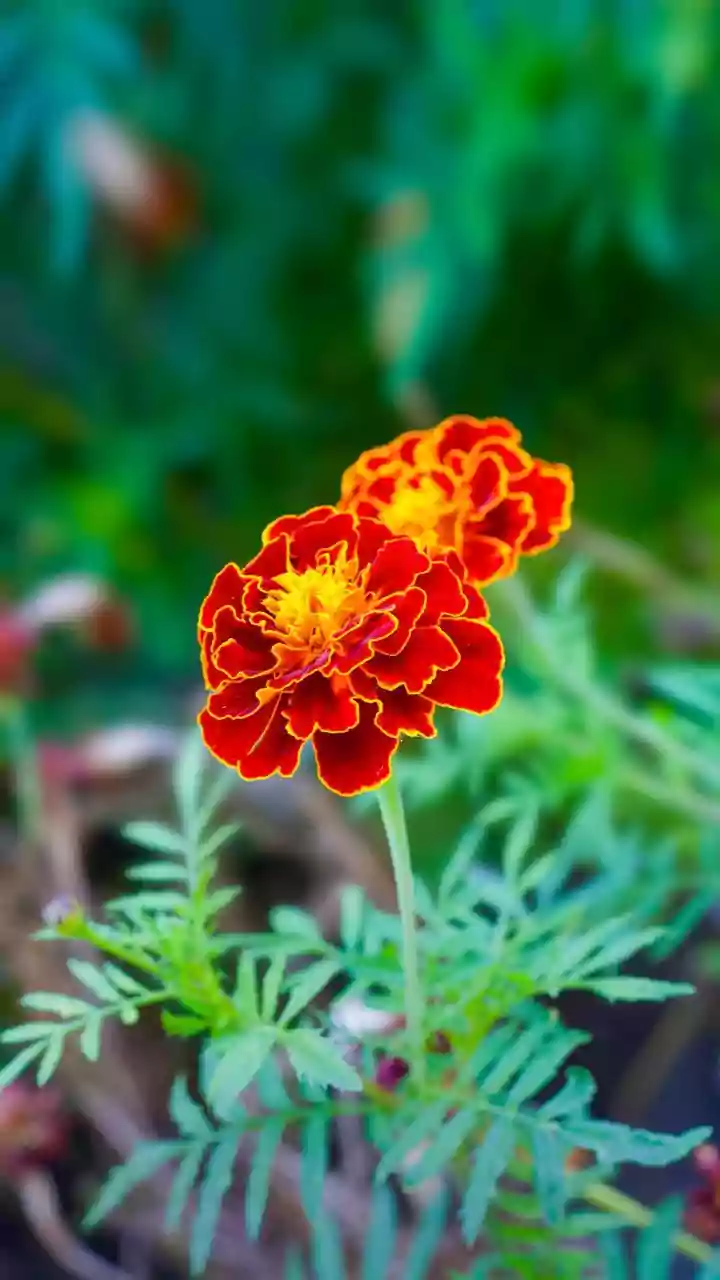
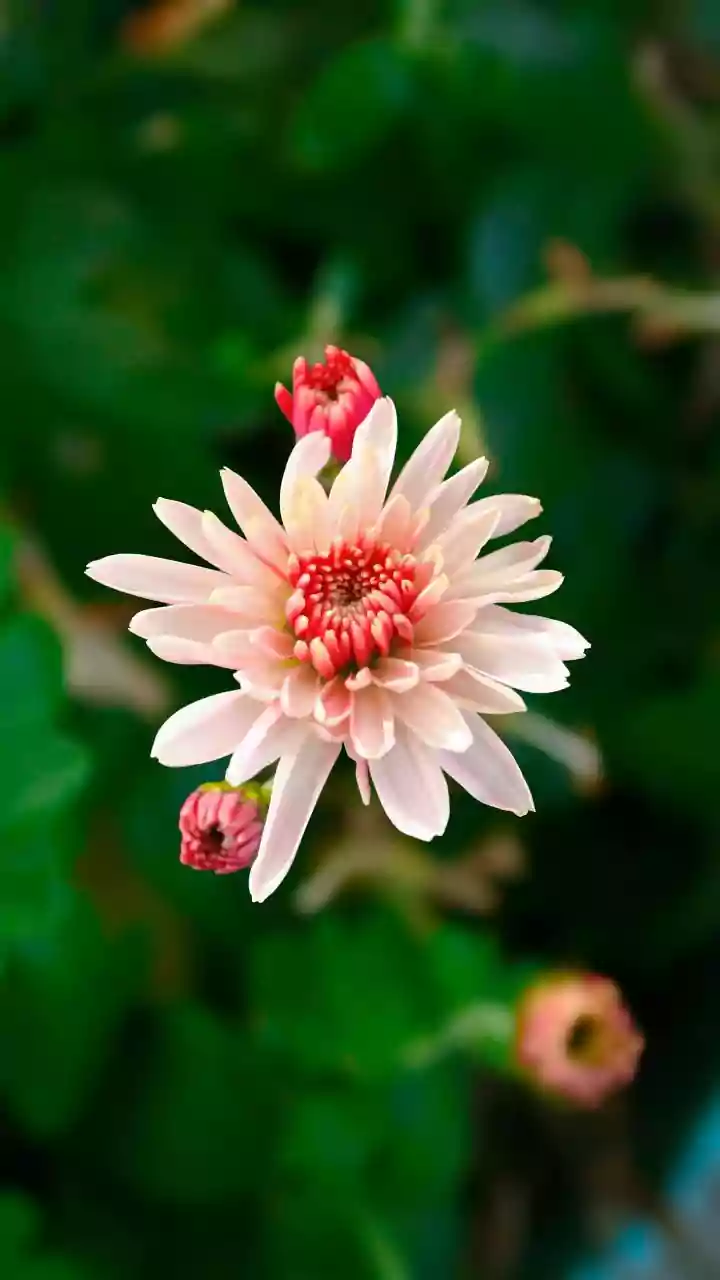

As winter settles in, many gardens lose their lustre. But they don't have to. The humble chrysanthemum, known as Guldaudi, is the perfect flower to keep your outdoor space vibrant and full of colour through the cooler months.
The Unmatched Charm of Winter Mums
Often called the 'Queen of
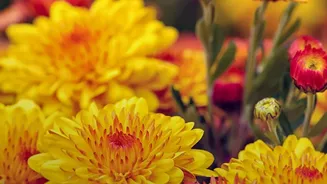
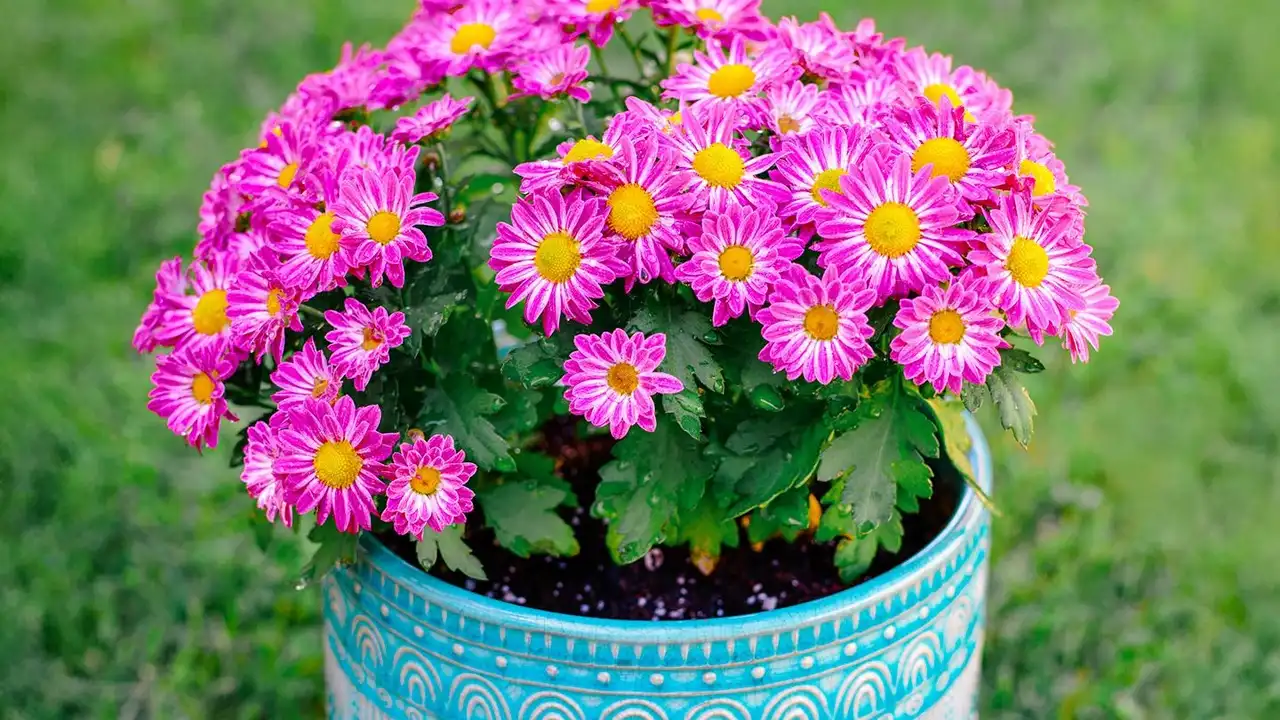
Winter Flowers', the chrysanthemum is a favourite in Indian gardens for good reason. Native to East Asia, this hardy perennial has been cultivated for centuries and has become a staple for its ability to produce a profusion of blooms when most other plants are dormant. Its flowers come in an astonishing variety of shapes, sizes, and colours—from sunny yellows and pure whites to deep maroons and vibrant purples. Whether you have a large garden, a small terrace, or a few pots on a windowsill, these plants are versatile enough to brighten any space during their peak season from November to February.
Choosing the Right Varieties
When you visit a nursery, you'll find several types of chrysanthemums. The most common for home gardens are pompom and button types, which are easy for beginners and produce many small, round flowers. Spray types offer several medium-sized flowers on each stem, making them great for pots. You might also see large-flowered 'standard' varieties, which produce one big bloom per stem but require more care. Popular colour varieties in India include Yellow Gold, Red Gold, and white types like Ratlaam Selection. Many local nurseries will also stock varieties proven to thrive in your specific climate.
Planting for a Colourful Winter
Timing is crucial for a spectacular winter display. While the plants are sold in nurseries during winter, the ideal time to plant new cuttings or suckers is during the monsoon (July-August) or early autumn (September-October). This gives them ample time to establish a strong root system before they begin to flower. Chrysanthemums need well-draining soil with a pH between 6.5 and 7.0. A good potting mix can be made from equal parts garden soil, compost or farmyard manure, and something to improve drainage like cocopeat or sand. Choose a 10 to 12-inch pot for a single plant, ensuring it has a large drainage hole to prevent waterlogging, which can lead to root rot.
Essential Care for Abundant Blooms
To get the most out of your chrysanthemums, place them where they can receive at least 5-6 hours of direct sunlight daily. They are 'short-day' plants, meaning they require long, dark nights to form buds, which is naturally provided by the winter season. Avoid keeping them under a bright balcony light at night, as this can delay flowering. Water them deeply when the top inch of soil feels dry, but be careful not to overwater in the cooler weather. For bushier plants with more flowers, 'pinching' is key. When the young plant is about 15 cm tall, pinch off the top 5 cm of each stem to encourage side branches to grow. Stop pinching by late July or August to allow flower buds to form for the winter.
Feeding and Year-Round Maintenance
During the initial growing months, feed your plants with a balanced fertilizer or vermicompost every few weeks. Once you see buds forming, switch to a fertilizer lower in nitrogen and higher in potassium to encourage flowers instead of just leafy growth. As flowers fade, snip them off—a process called deadheading—to keep the plant looking tidy and encourage more blooms. After the flowering season ends around February, don't discard the plant. Cut the stems down to about 10-15 cm. In a few weeks, you will see new shoots, or 'suckers', growing from the base. These can be separated and planted in new pots to start the cycle all over again for the next winter.