


The Science of a Speedy Dry
The primary reason small shell containers lose moisture quickly comes down to their material and size. Seashells are primarily made of calcium carbonate. While they feel solid, many types of shells are naturally porous. This structure allows air to pass
through more readily, which accelerates the evaporation of water from the soil. Furthermore, the small volume of a typical shell means there's less soil to hold onto water in the first place. Compared to a standard terracotta pot, which is also porous but holds a much larger volume of soil, a small conch or scallop shell simply can't retain moisture for long. A standard plastic pot, being non-porous, retains water the longest, creating a completely different environment for a plant's roots.
A Perfect Match for Arid Plants
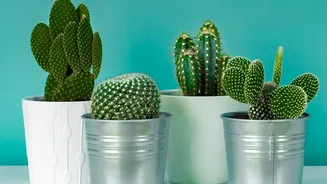
This quick-drying nature makes shell containers an ideal home for certain types of plants. Succulents and cacti are the most obvious beneficiaries. These plants are adapted to arid environments where their roots are susceptible to rot if left in standing water. A shell planter essentially mimics the well-draining, dry conditions they prefer, reducing the risk of overwatering. Air plants (Tillandsia) are another excellent choice. Since they absorb moisture through their leaves and don't require soil, a shell can act as a beautiful, decorative holder that allows for ample air circulation, which is crucial for their health. Just be sure to empty any standing water from the shell after misting or soaking them.
When Faster Isn't Better
However, this same quality makes shells unsuitable for a wide variety of common houseplants. Ferns, calatheas, and other tropical plants that thrive in consistently moist soil will struggle in a shell. The rapid drying cycle would stress the plant, leading to brown, crispy leaves and eventual decline. Another factor to consider is the shell's composition. As seashells break down over time, they slowly release calcium carbonate, which can raise the pH of the soil, making it more alkaline. While this happens very slowly, it's a disadvantage for acid-loving plants like certain types of begonias or carnivorous plants. If you're unsure, it's always best to stick with plants known to tolerate or prefer alkaline, dry conditions.
Your Guide to Shell Planting
Ready to create your own shell planter? Start by choosing a shell that's large enough for a small plant. Conch, whelk, or large scallop shells work well. The most crucial step is to ensure there's drainage. If the shell doesn't have a natural opening at its base, you may need to carefully drill a small hole. This prevents water from pooling and causing root rot, a common issue in any container without proper drainage. Use a well-draining potting mix, such as a blend specifically for cacti and succulents, which often contains sand or perlite. Gently place your chosen plant, like a small echeveria or aloe, into the shell and backfill with the soil mix. Be gentle, as the root systems are often delicate.
Caring for Your Miniature Garden
Caring for plants in shells requires more frequent monitoring than for those in standard pots. Because they dry out so quickly, you may need to water them more often, but with smaller amounts of water. Check the soil every few days by touching the surface. If it's completely dry, it's time for a light watering. Since succulents store water in their leaves, they are quite forgiving if you forget once in a while. Ensure your shell planter gets adequate light according to the plant's needs. Most succulents prefer bright, indirect sunlight. These beautiful, natural planters are a wonderful way to display drought-tolerant plants, but their success hinges on understanding their unique watering needs.