
The New Neutral
For years, kitchen design was dominated by a palette of cool whites and greys. But now, warmth is back, and terracotta is emerging as the new neutral for a generation seeking connection and authenticity. This isn't about recreating a rustic farmhouse;
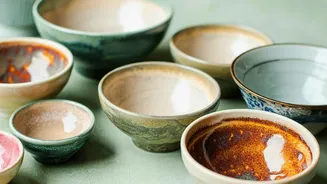
it's about using earthy, natural tones to create a space that feels grounded, calm, and inviting. Gen Z decorators are drawn to terracotta for its inherent link to nature and sustainability, moving away from sterile, minimalist designs toward environments that reflect personality and well-being. The warm, clay-based hues, from burnt orange to soft blush, provide a perfect backdrop that is both timeless and deeply modern.
Start with Sculptural Accents
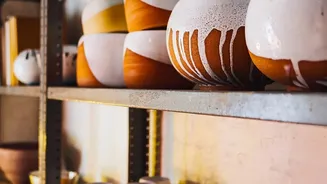
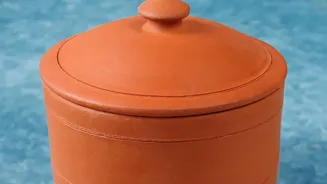
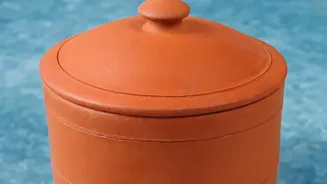
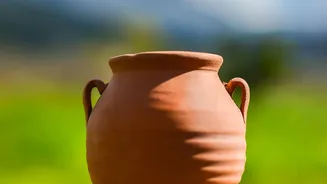
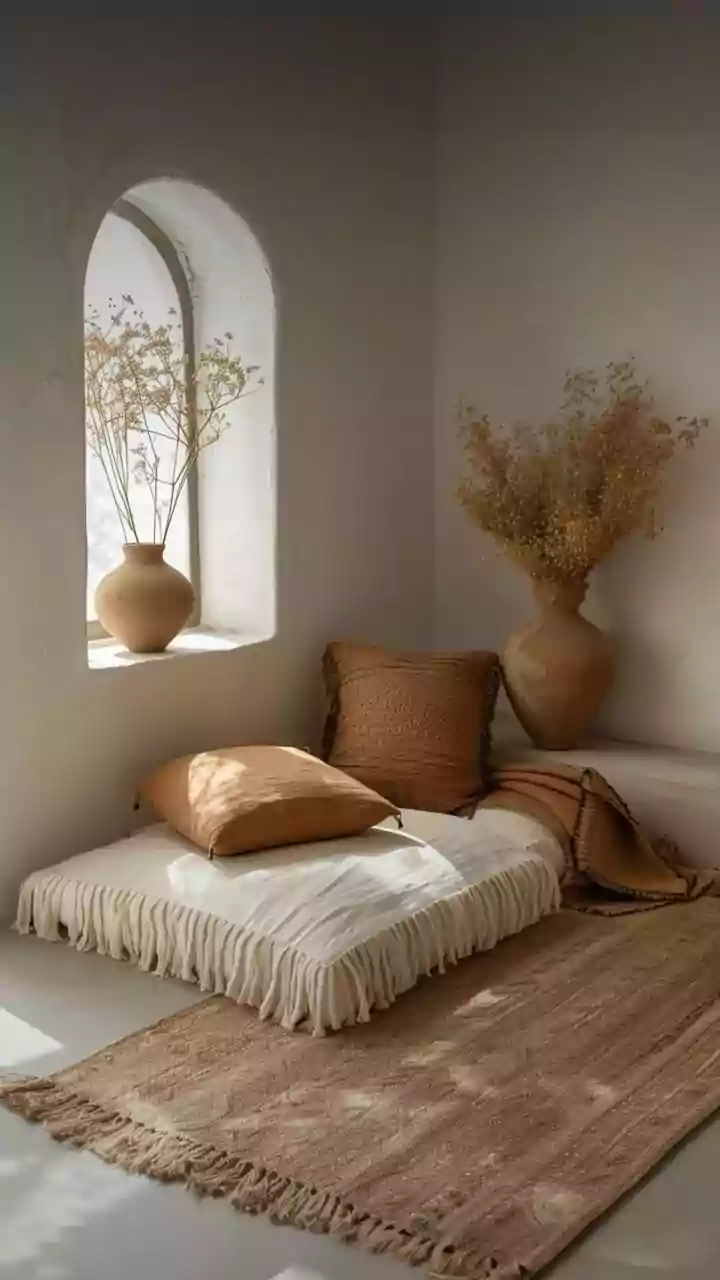
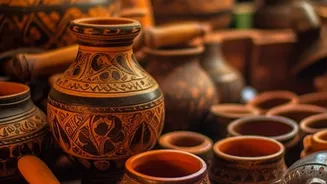
The easiest way to introduce this trend is through carefully chosen accents that double as functional art. Think beyond simple pots. Gen Z is opting for terracotta pieces with clean lines and sculptural forms. A large terracotta water jug can serve as a striking vase for branches on a countertop, while a set of minimalist earthenware canisters can hold everyday essentials like coffee, tea, and sugar. Open shelving is a popular way to showcase these items, turning everyday objects into a curated display. Look for utensil holders, fruit bowls, or salt cellars in matte terracotta finishes to add a touch of earthy texture without overwhelming the space. The key is to choose items that feel intentional and sculptural.
Layer Textures and Tones
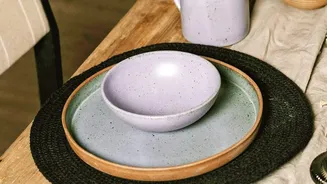
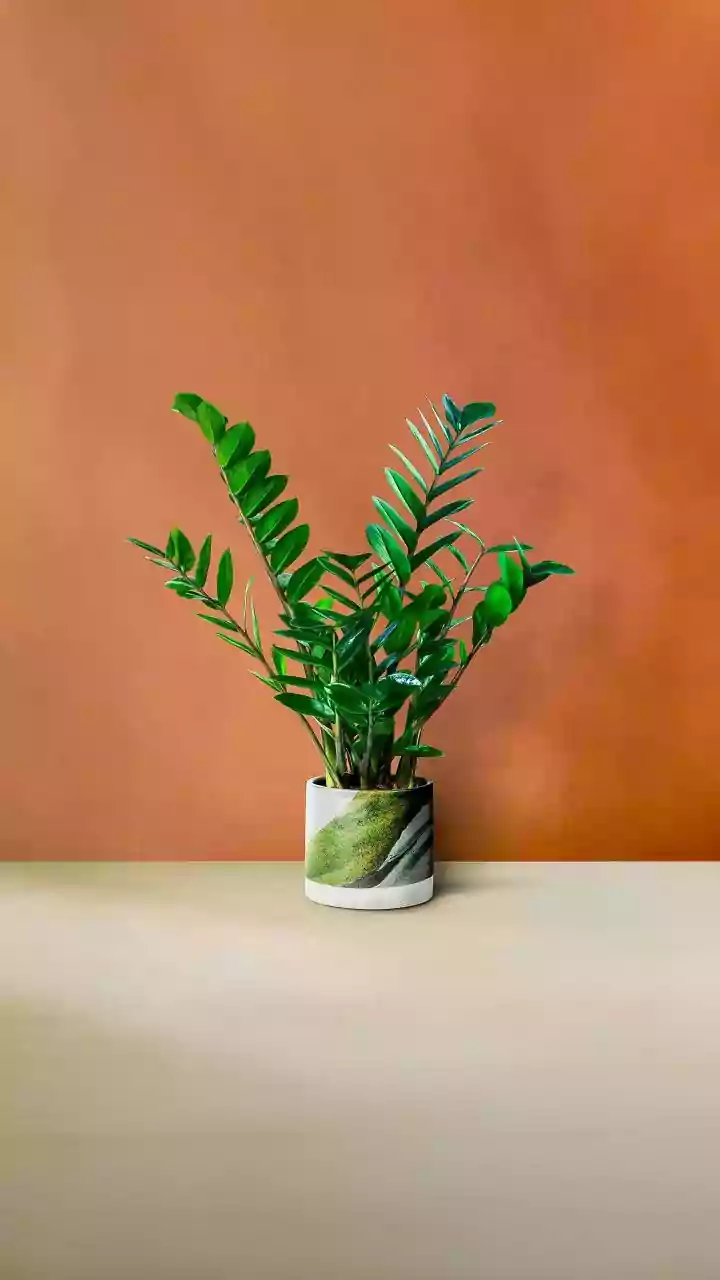
A successful terracotta-infused kitchen is all about layering. The material's matte, slightly rough texture pairs beautifully with a variety of other surfaces. To keep the look contemporary, designers recommend mixing terracotta with smooth, refined materials. Imagine terracotta canisters sitting on a sleek quartz countertop, or a terracotta pendant light hanging over a natural wood dining table. This contrast is what makes the design feel fresh and dynamic. This approach also incorporates other natural materials like linen tea towels, woven placemats, rattan bar stools, and plenty of green plants, which enhance the connection to the outdoors and prevent the look from feeling flat.
Functional and Kitchen-Ready Pieces
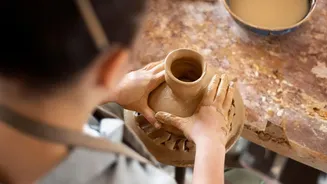
This trend extends far beyond mere decoration. The beauty of terracotta is its functionality, especially in the kitchen. High-quality, food-safe earthenware is perfect for everyday use. Consider a terracotta olive oil cruet next to the stove, a sturdy mixing bowl for baking, or even a tagine for slow-cooking that can go from oven to table. These pieces not only embrace the aesthetic but also celebrate the hands-on, back-to-basics cooking culture that resonates with many younger consumers. By integrating terracotta into the actual process of cooking and serving, the material becomes a core part of the kitchen's identity, blending beauty with utility in a way that feels both authentic and practical.
A Modern, Not Mediterranean, Vibe
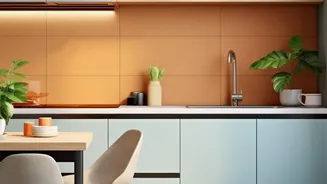
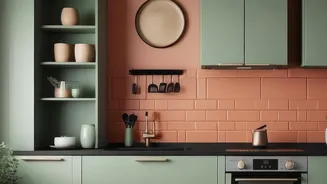
The single most important rule for incorporating terracotta into a modern kitchen is to avoid rustic overload. The goal is a clean, contemporary space with warm, earthy highlights, not a Tuscan villa pastiche. This is achieved by balancing terracotta's warmth with modern elements. Pair terracotta-toned accents with sleek, minimalist cabinetry, simple hardware, and contemporary light fixtures. If you're considering a bolder statement, like a terracotta tile backsplash, opt for tiles with a modern shape—like skinny vertical stacks or hexagons—rather than traditional square pavers. By consciously mixing the earthy clay with crisp lines and modern finishes, you ensure the final look is sophisticated and current, capturing the essence of the trend without feeling dated.