

A Return to Culinary Roots
For a time, modern Indian cooking seemed to favour imported ingredients like quinoa and avocado. However, a significant shift is underway, driven by a collective desire for authenticity, better health, and sustainability. Chefs and home cooks are increasingly
exploring the rich tapestry of Indian regional produce, moving away from standardised festive fare to create meals that tell a story of a specific place and culture. This movement isn't just about nostalgia; it’s a conscious choice to celebrate the incredible biodiversity of India’s farmlands and forests. It's a return to the wisdom of our grandmothers' kitchens, where flavour and nourishment were derived from what grew locally.
Millets: The Ancient Grains of the Hour
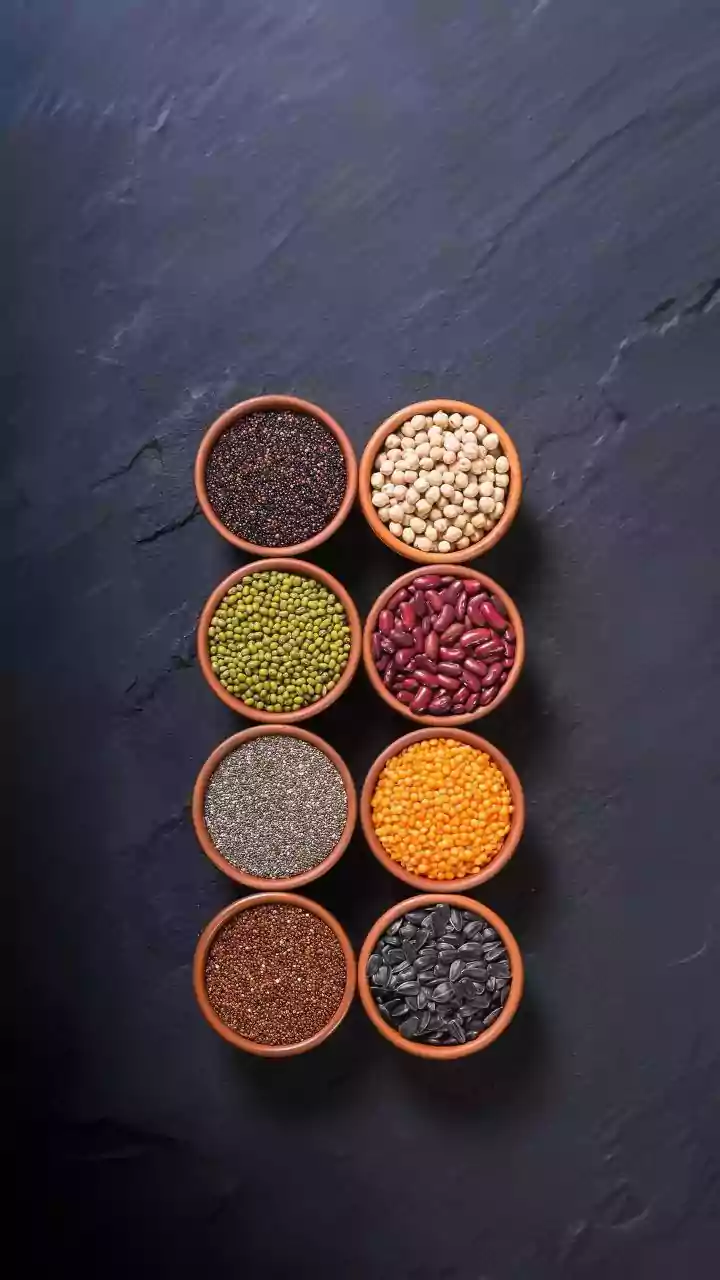
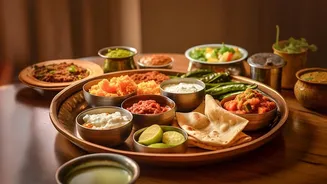
Once considered humble food, millets like ragi (finger millet), jowar (sorghum), and bajra (pearl millet) are now celebrated as superfoods. Their comeback is fuelled by their impressive nutritional profile—they are packed with fibre, protein, and essential minerals, and are naturally gluten-free. During festivals, these versatile grains are being creatively incorporated into both traditional and modern dishes. Imagine festive tables laden with fluffy millet idlis, flavourful bajre ki roti served with seasonal vegetables, or even decadent desserts like ragi coconut laddoos and foxtail millet kheer. This revival allows for indulgence that is also nourishing, providing sustained energy for long festive days.
Jackfruit: The Meaty Marvel
Raw jackfruit, or kathal, has been a staple in Indian kitchens for centuries, but it is now gaining global recognition as a fantastic plant-based meat alternative. Its unique, fibrous texture beautifully mimics that of pulled meat, making it a star ingredient in festive vegetarian cooking. While traditionally used in sabzis and pickles, chefs are now using unripe jackfruit to create hearty and satisfying festive dishes like jackfruit biryani, curries that rival their meat-based counterparts, and even kebabs. To use it as a meat substitute, it's crucial to select green, unripe jackfruit, which has a neutral flavour that absorbs spices wonderfully. It's a testament to how traditional ingredients can find new, exciting roles in contemporary cuisine.
Celebrating Hyper-Local Treasures
The rediscovery extends to a fascinating array of hyper-local ingredients that were once confined to specific regions. Chefs are now championing these forgotten gems on modern menus. Think of the intensely fragrant Gondhoraj lime from Bengal, which is now used in more than just traditional dishes, or the crunchy, nutty Sohphlang tuber from Meghalaya, which is finding its way into fine-dining plates. Other examples include the sour fruit kokum, used for its clean, berry-like acidity in marinades and drinks, and kalpasi (stone flower), which imparts a unique smoky aroma to biryanis and curries. This exploration introduces diners to new flavour profiles and supports the communities that have cultivated these ingredients for generations.
The Chef-Led Revolution
Much of this movement is being spearheaded by visionary Indian chefs who are digging deep into the country's culinary heritage. They are travelling to remote regions, foraging for wild edibles, and collaborating with local farmers to bring these ingredients to a wider audience. Restaurants like Chef Prateek Sadhu's NAAR in Himachal Pradesh focus on celebrating the Himalayan region by using locally sourced and foraged items, from wild berries to dandelion. By reinterpreting traditional recipes with modern techniques, these chefs are proving that Indian food can be both innovative and deeply rooted in tradition. Their influence is trickling down, encouraging home cooks to experiment and bring this diversity back to their own festive tables.