



What Exactly Is the Gut Microbiome?
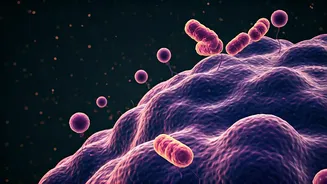
Before diving into the trend, let's get the science straight. Your gut microbiome is a complex community of trillions of microorganisms, including bacteria, viruses, and fungi, that reside in your digestive tract. Think of it as a bustling internal ecosystem
that is unique to you. These microbes aren't just passive residents; they play a crucial role in your overall health. They help break down food your body can't digest on its own, especially fibre, which allows for the absorption of essential nutrients. A significant portion of your immune system is located in the gut, and a healthy balance of bacteria helps fight off pathogens and reduce inflammation. This internal world even communicates with your brain, influencing everything from your mood to your stress levels.
From Niche Concern to Mainstream Focus
So, why the sudden explosion of interest? The shift from focusing on muscles (protein) to microbes (gut health) is driven by a growing awareness that our digestive system is central to holistic wellbeing. Consumers are increasingly connecting the dots between a healthy gut and benefits like better immunity, clearer skin, and improved mental clarity. In India, this trend is rapidly gaining momentum. While digestive issues have long been a silent struggle for many—one survey noted that seven out of ten Indians suffer from them—the conversation is now out in the open, especially among younger, urban populations. The Indian probiotics market, a key segment of this trend, has nearly doubled in five years, hitting over ₹2,000 crore in 2025. This growth is fuelled by social media, wellness influencers, and a broader move towards preventive healthcare.
The 'Biotics': Your Gut Health Glossary
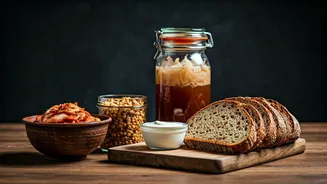
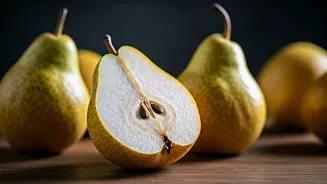
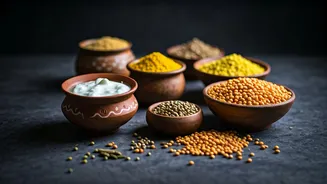
As gut health goes mainstream, so does a new vocabulary: probiotics, prebiotics, and postbiotics. Think of your gut as a garden. Probiotics are the 'good seeds'—live beneficial bacteria and yeasts found in fermented foods or supplements that help populate your gut. Prebiotics are the 'fertiliser'. They are types of dietary fibre, found in foods like onions, garlic, bananas, and whole grains, that feed the good bacteria and help them thrive. Postbiotics are the 'fruits' of this labour. They are the beneficial compounds, like short-chain fatty acids, that are produced when probiotics consume prebiotics. These byproducts help strengthen the gut barrier and support the immune system.
A Return to Traditional Indian Kitchens
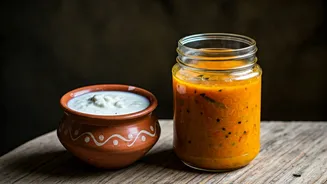
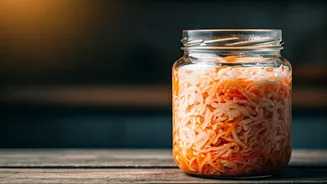
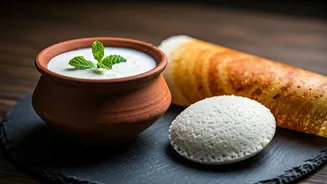
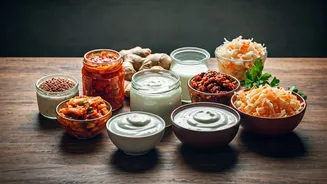
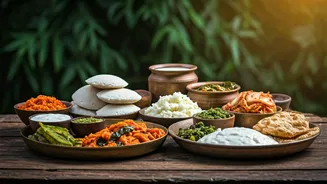
While the wellness industry is busy packaging gut health into convenient capsules and drinks, the principles are deeply rooted in traditional Indian food culture. For generations, Indian households have been consuming natural probiotics without the fancy label. Dahi (curd) is a powerhouse of beneficial bacteria that aids digestion. The fermentation process used to make idli, dosa, and dhokla not only creates their signature taste and texture but also makes them easier to digest and more nutritious. Other traditional preparations like kanji (a fermented carrot drink), chaas (buttermilk), and homemade pickles (achaar) are also rich in probiotics that support a healthy gut. This trend, in many ways, represents a modern appreciation for the age-old wisdom embedded in our own kitchens.
Food First, Supplements Second
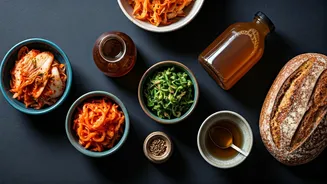
The market for gut health supplements in India is projected to grow significantly, reaching over USD 1.6 billion by 2034. However, many nutritionists advise a 'food first' approach. While supplements can be useful for addressing specific deficiencies or during periods of illness, they can't replicate the complex synergy of nutrients found in whole foods. A diet rich in diverse, plant-based foods provides the fibre (prebiotics) necessary to nourish your existing gut bacteria. Fermented foods offer a natural source of probiotics. Instead of focusing on expensive powders or pills, the most sustainable path to a healthier gut often starts on your plate. A balanced diet filled with fruits, vegetables, whole grains, and traditional fermented foods provides a strong foundation for your internal ecosystem.