





The Urban Reality Check
The dream of a sprawling bedroom is meeting the reality of urban India, where rising property costs and a dense population mean smaller living spaces are the norm. For Generation Z, this isn't a compromise; it's a design challenge to be solved with intelligence
and style. This generation, entering the rental and home-buying market, faces the practical need to make every square foot count. The result is a move away from bulky, traditional furniture towards pieces that are sleek, adaptable, and, most importantly, functional. The focus has shifted from filling a room to creating a sense of openness and freedom, where empty space itself is seen as a form of luxury. This practical necessity is the foundation upon which the minimalist aesthetic is built.
A Digital Native's Aesthetic
Gen Z grew up online, and their design sensibilities are heavily influenced by the clean, curated worlds of Instagram, Pinterest, and TikTok. A cluttered, chaotic background doesn't work for a video call or a stylish selfie. Minimalism, with its neutral colour palettes, clean lines, and lack of clutter, provides a camera-ready backdrop for their digital lives. This generation is adept at finding design inspiration online, creating a look that is personal and authentic without needing a massive budget. The home is no longer just a private space but a potential backdrop for content, influencing a move towards interiors that are visually calming and aesthetically pleasing.
The Psychology of 'Less is More'
Beyond aesthetics and practicality, the Gen Z affinity for minimalism is deeply psychological. In a world of constant digital noise and information overload, a simple, uncluttered room acts as a mental sanctuary. It's a way to reduce cognitive load, decrease stress, and create a peaceful environment to recharge. This approach is also a conscious rejection of the hyper-consumerism of previous generations. Instead of accumulating possessions, there is a focus on 'quality over quantity'—investing in fewer, more durable, and meaningful items. This mindset aligns with Gen Z's broader values of sustainability and environmental consciousness, preferring repurposed or eco-friendly decor. Living with less isn't about deprivation; it's about intentionality and control over one's environment.
The Genius of Hidden Storage
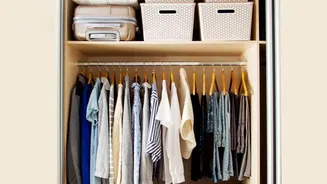
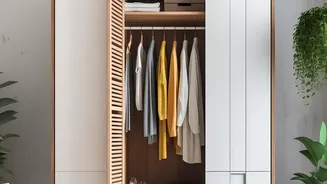
This is where the trend truly comes to life. Minimalist decor doesn't mean owning nothing; it means cleverly hiding what you own. Smart, multi-functional furniture is the hero of the Gen Z bedroom. Think bed frames with built-in drawers for seasonal clothes, or headboards that double as bookshelves. Storage benches at the foot of the bed or chic poufs with hidden compartments are perfect for stowing away extra bedding or electronics. Even vanity tables and mirrors are designed with secret storage for makeup and accessories. The goal is for furniture to serve multiple purposes—a seat that's also a container, a surface that also conceals—ensuring the room remains visually clean and functional.
Flexible Spaces for Modern Lives
For Gen Z, a bedroom is rarely just for sleeping. It’s also a workspace, a streaming studio, a workout zone, and a place to relax. This requires a flexible layout that can adapt to different needs throughout the day. Minimalist design, supported by hidden storage, allows for this transformation. A desk might fold away into a wall unit, or a rolling cart with supplies can be tucked into a narrow gap. By keeping the floor plan open and free of clutter, the room can easily transition from a professional setting in the morning to a cozy retreat in the evening. This adaptability is essential for a generation that blurs the lines between work, life, and leisure.