




A Tale of Two Comets
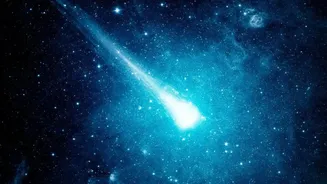
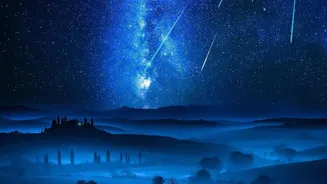
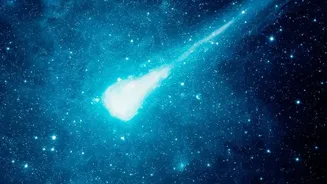
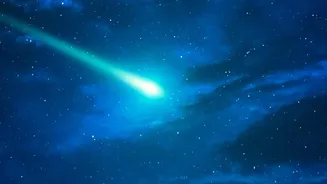
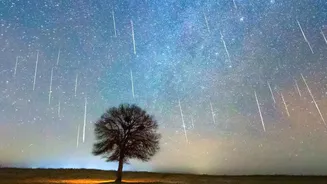
Meteor showers are the glittering remnants of comets. As these icy travellers journey through space, they leave behind a trail of dust and rock. When Earth’s orbit passes through one of these trails, the debris burns up in our atmosphere, creating the fleeting,
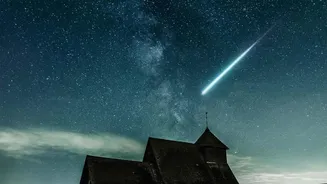
fiery streaks we call meteors or shooting stars. The Perseid meteor shower, which peaked in mid-August 2026, is created by debris from Comet Swift-Tuttle. The upcoming Orionid meteor shower, active in October, is born from the most famous comet of all: 1P/Halley. Every year, our planet's journey gives us a front-row seat to these recurring celestial shows. While the Perseids often get attention for their high numbers in the warm summer months, the Orionids offer a spectacular display for those willing to embrace the crisp autumn air.
The Orionids: Autumn's Celestial Show
The Orionid meteor shower is considered one of the most beautiful of the year, known for its bright and speedy meteors. These particles hit our atmosphere at about 66 kilometres per second, and their speed can cause them to leave glowing trails that linger for a few moments after the meteor has vanished. In 2026, the Orionids are active from early October to early November, with the peak activity expected in the pre-dawn hours of October 21st and 22nd. This year's viewing conditions are particularly good. While some moonlight will be present in the early evening, it will set a few hours before dawn, leaving the sky dark for the best viewing window. Under clear, dark skies, you can expect to see around 15 to 20 meteors per hour during the peak.
Chasing Darkness: Why 'Non-Metro' Is Key
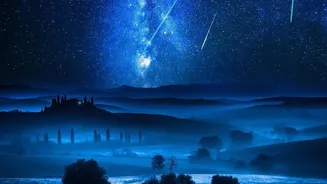
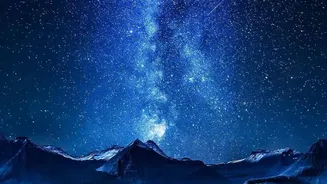
The single most important factor for a great meteor-watching experience is getting away from city lights. Light pollution from urban centres creates a bright haze that washes out all but the brightest stars and meteors, reducing a potential shower to just a handful of visible streaks. For reference, astronomers use a scale called the Bortle Scale to measure sky darkness, where Class 1 is a pristine, dark sky and Class 9 is an inner-city sky. Most Indian cities fall in the Bortle 7-9 range, where the Milky Way is completely invisible. To truly see a meteor shower as nature intended, you need to find a spot in Class 4 or lower, which means travelling to rural or remote areas where the night sky can reveal its full glory.
India's Prime Stargazing Havens
India’s diverse geography offers a fantastic array of dark-sky locations perfect for escaping the city glow. High-altitude deserts are prime spots, with Hanle in Ladakh being home to India's first official Dark Sky Reserve, offering some of the darkest skies in Asia. Spiti Valley in Himachal Pradesh is another world-class destination, with villages like Kaza and Kibber providing exceptionally clear views. For those looking for more accessible options, the vast, flat expanse of the Rann of Kutch in Gujarat offers a surreal and dark landscape, especially during the winter months. In the south, the coffee plantations and hills of Coorg in Karnataka provide pockets of darkness away from town centres. Even hill stations like Narkanda in Himachal Pradesh or desert locations near Jaisalmer can offer a dramatic improvement over city skies.
Your Ultimate Viewing Checklist
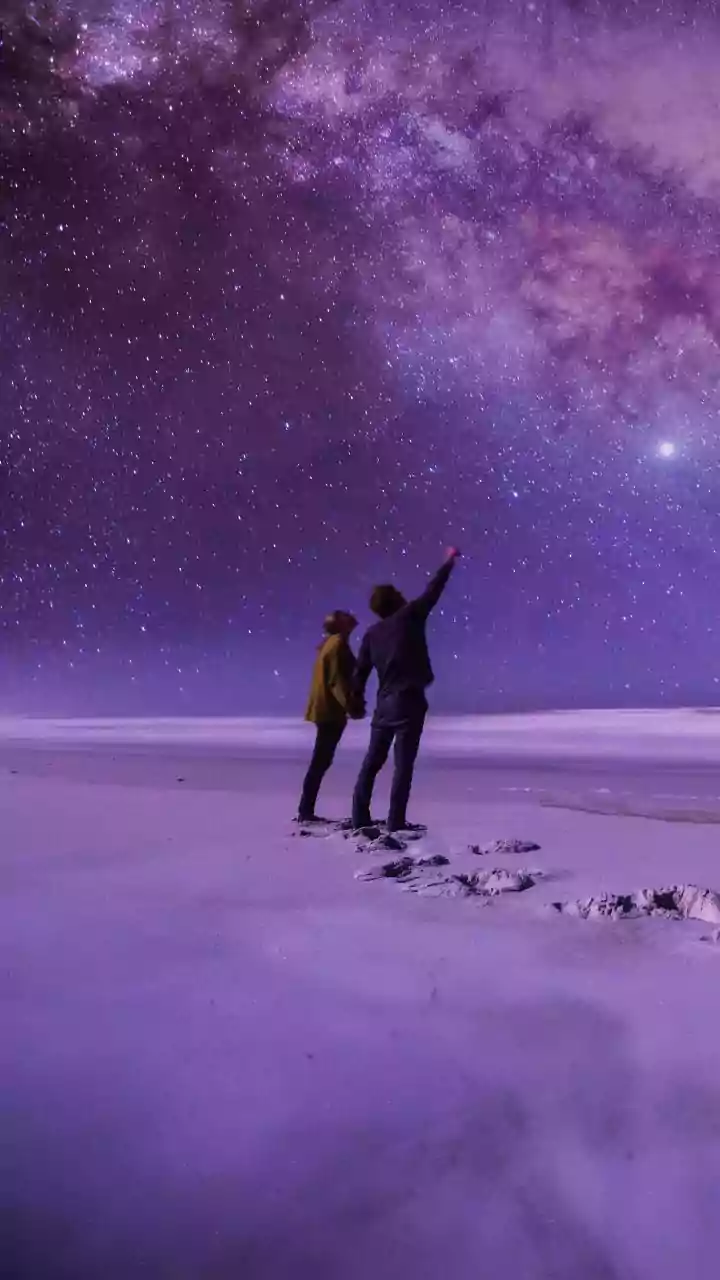
You don’t need a telescope or binoculars to watch a meteor shower; your eyes are the best tool. The key is preparation and patience. First, find a safe, open spot away from streetlights with a wide view of the sky. Give your eyes at least 20-30 minutes to fully adapt to the darkness—and that means putting your phone away, as its bright screen will ruin your night vision. Dress in warm layers, as even pleasant evenings can get chilly after midnight. Bring a reclining chair or a blanket so you can lie back comfortably and look straight up. While the meteors will appear to radiate from the constellation Orion, they can streak across any part of the sky, so a broad view is best. Finally, pack some snacks and a warm drink, be patient, and enjoy the show.