




The Culinary Twist on Tradition
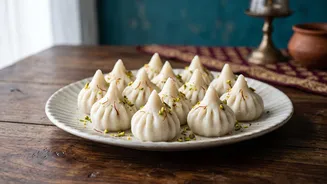
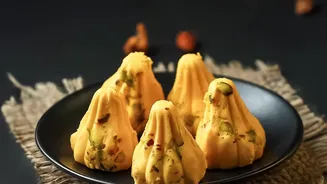
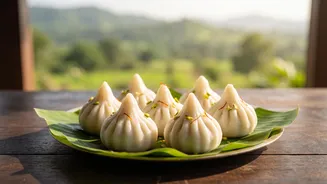
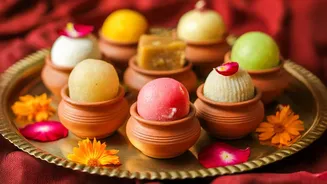
Food, an integral part of any Indian festival, is getting a delicious makeover this Ganeshotsav. While the classic steamed modak remains the star offering, culinary creativity is at an all-time high. In Pune, a massive 251-kg modak-shaped cake with a rasmalai
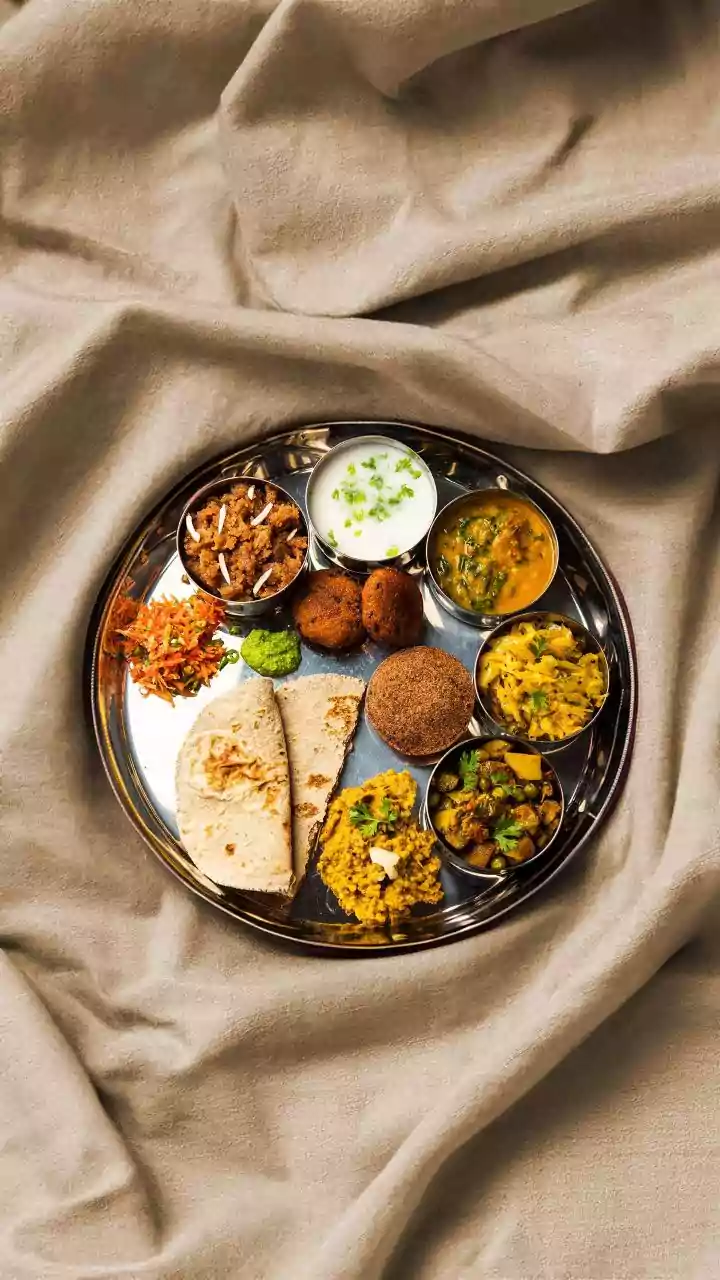
flavour made headlines at the famous Dagdusheth Halwai Ganpati pandal. This creation, worked on by a team of 40-50 people, perfectly captures the modern festive spirit: merging the shape of a traditional offering with the celebratory feel of a contemporary cake. Beyond grand gestures, restaurants and cafes are curating unique festive menus. Establishments in Mumbai are offering everything from Asian-inspired small plates and matcha-based drinks to elaborate vegetarian spreads that bring global cuisines to the festive table. At the same time, others are focusing on traditional South Indian temple cuisine, serving dishes like Puliyodharai, Sundal, and Sakkarai Pongal, reminding devotees of food's ritualistic importance. This blend of innovation and tradition allows celebrants to honour their roots while exploring new flavours.
Journeys of Faith and Leisure
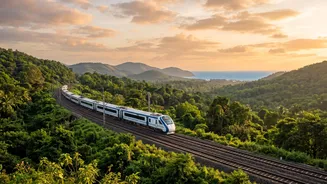
Ganesh Visarjan is no longer just a local affair; it has become a prominent reason for travel. While many still journey to their ancestral homes, especially in Goa where the festival, known as 'Chovoth', is a family-centric event, a new trend of 'visarjan tourism' is emerging. Cities like Mumbai and Pune, famous for their grand-scale processions, are major draws for travellers who want to witness the spectacle firsthand. Travel experts advise booking trips weeks in advance, as hotels and transport fill up quickly. For those seeking to experience the cultural heart of the festival, Pune offers a deep dive into tradition, being the city where public Ganpati celebrations first began. Mumbai, on the other hand, is all about scale and energy, with iconic pandals like Lalbaugcha Raja attracting lakhs of visitors. These travel plans are less about pilgrimage in the strictest sense and more about experiencing the vibrant culture, community spirit, and artistic expression that define the festival's conclusion.
A Greener, More Conscious Farewell
Perhaps the most significant twist in recent years is the growing emphasis on environmental responsibility. The traditional immersion of idols, many made from Plaster of Paris and decorated with chemical paints, has raised concerns about water pollution. In response, a powerful movement towards eco-friendly celebrations has taken hold. Devotees are increasingly opting for idols made from natural clay (shadu matti), paper mache, or even innovative ones embedded with seeds that sprout into plants after immersion. The concept of visarjan itself is being reimagined. Instead of immersing idols in natural water bodies like lakes and rivers, many families now perform the ritual at home in a bucket or tub. The dissolved clay is then used to water garden plants, beautifully completing a natural cycle. Municipalities across various cities have also stepped up, providing artificial immersion ponds to prevent pollution. This shift demonstrates a deeper understanding of the festival's message—respect for nature and the cycle of creation and dissolution.
Connecting Communities, Old and New
The spirit of Ganesh Visarjan has always been rooted in community, and that remains unchanged. What's new is how these connections are being forged. Public pandals are evolving from purely religious spaces into centres for community engagement, hosting cultural programs and even blood donation drives. The grand processions on Anant Chaturdashi, the final day of immersion on September 25, bring entire neighbourhoods together in a shared experience of music, dance, and devotion. In a world of digital connections, the festival's farewell provides a powerful, tangible reason for people to gather. The loud beats of the dhol-tasha, the collective chants, and the shared journey to the immersion site create a powerful sense of belonging. This modern interpretation ensures that while the methods may change, the core purpose of the festival—uniting people in faith and celebration—remains as strong as ever.