



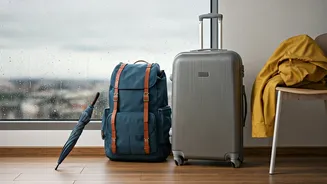



1. Master Your Mindset
The single most important hack has nothing to do with gear. It's about attitude. Instead of seeing rain as a problem, reframe it as part of the experience. The smell of wet earth (petrichor), the dramatic skies, the cosy feeling of being indoors while
it pours outside—these are unique sensory experiences. Cities look different, with reflections of neon signs shimmering on wet roads. Hill stations become misty and mysterious. Embracing the rain means you’re not fighting your environment, but enjoying a different version of it. A forced change of plans can often lead to the most memorable, spontaneous adventures. So, the first step is simple: decide that the rain will enhance your trip, not hinder it.
2. Gear Up Beyond the Umbrella
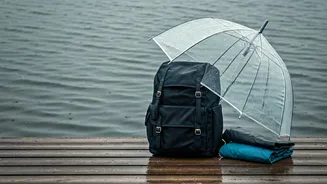
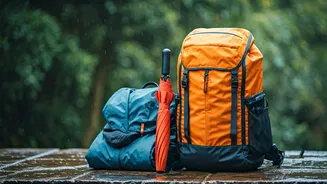
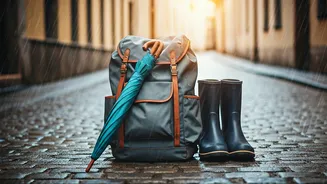
An umbrella is a start, but it’s often not enough, especially in a windy downpour. Think smarter. A lightweight, breathable, waterproof jacket with a hood is your best friend. It keeps you dry while leaving your hands free for your phone or a warm cup of chai. The real game-changer? Waterproof footwear. Nothing ruins a day faster than squelchy, wet socks. Invest in comfortable waterproof shoes or boots. If that’s too much of an investment, waterproof socks are a brilliant, cheaper alternative that can be worn inside your regular shoes. Finally, a small microfibre towel is a must-have. It’s super absorbent, dries incredibly fast, and takes up almost no space in your bag.
3. Pack Like a Pro
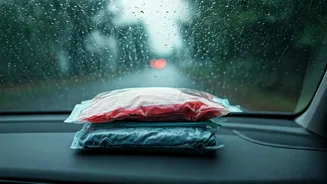
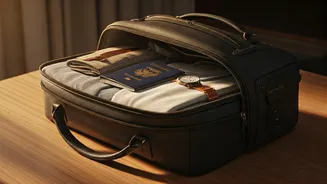
Your packing strategy needs a rainy-day upgrade. Prioritise quick-drying fabrics like nylon, polyester, and merino wool. Avoid cotton at all costs; it absorbs moisture, gets heavy, and takes forever to dry, leaving you feeling cold and damp. Pack an extra pair of socks for every day of your trip—they take up little space and dry socks are a simple luxury that can completely change your mood. The ultimate cheap hack? Ziploc bags. Bring them in various sizes. They are perfect for protecting your phone, wallet, passport, and other small electronics. You can even use a large one to create a waterproof barrier inside your backpack for your clothes.
4. The Magic of a Dry Bag
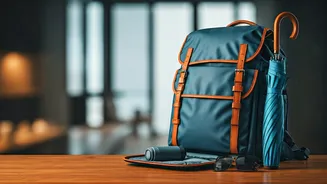
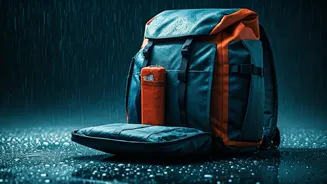
If you plan on travelling frequently during monsoon season or to rainy destinations, a dedicated dry bag is a non-negotiable item. These aren't just for kayakers; they are the ultimate peace of mind for any traveller. A small 5- or 10-litre dry bag is perfect for a daypack. You can toss in your camera, power bank, wallet, and phone, roll down the top, and be completely confident that everything inside will stay bone-dry, even in a torrential downpour. It’s also useful for separating wet clothes from dry ones in your main luggage. It’s a small investment that protects your much more expensive electronics and documents.
5. Curate a Rainy-Day Itinerary
Don’t wait for the rain to hit to figure out what to do. Before you even leave, research some indoor alternatives for your destination. Every city has them. Look up interesting local museums, art galleries, or historical sites. Find a cosy café with a great view and plan to spend an afternoon there with a book. Indoor markets can be a fantastic way to experience local culture without getting soaked. A cooking class, a local film, or even a spa treatment can turn a washed-out day into a highlight of your trip. Having a list of “Plan B” options ready means a rainy day feels like an opportunity, not a disappointment.
6. Master the Art of Drying Out
So you got caught in a downpour. How you handle the aftermath is key. The quickest way to dry wet shoes overnight is to stuff them tightly with crumpled-up newspaper. The paper will absorb the moisture. Replace it after a few hours if the shoes were truly soaked. For wet clothes, hang them in a bathroom after someone has had a hot shower; the steamy air can surprisingly help them dry. If your hotel room has a hairdryer, use it on a low-heat setting to speed up the drying process for small items like socks or collars. This ensures you wake up ready for another day of adventure, with dry gear and high spirits.