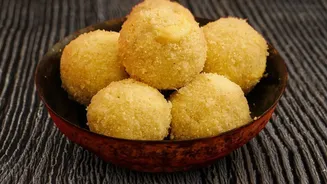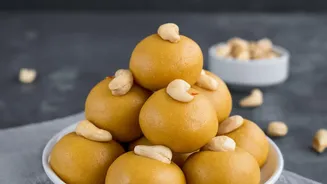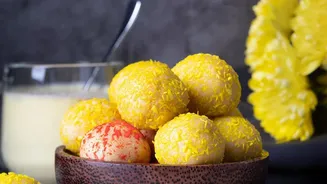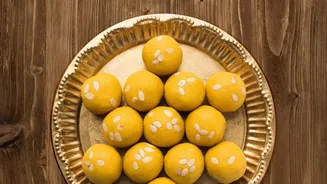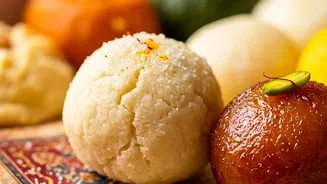





The aroma of besan roasting in ghee is pure nostalgia. But achieving that perfect, soft, melt-in-your-mouth besan ladoo can be tricky. This guide demystifies the process, ensuring your homemade mithai is a success every single time.
The Golden Trio of Ingredients
Besan ladoo is a testament
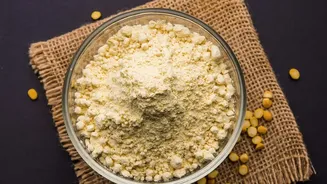
to the magic of simplicity, relying on just a few core components. The quality of these ingredients is paramount. First is besan, or gram flour. For the smoothest ladoos, a fine, fresh besan is ideal. Older flour can sometimes taste bitter, so check its aroma before you begin. Next is ghee, the soul of the ladoo. Homemade or high-quality store-bought ghee will provide the richest flavour and aroma. The final key is the sweetener. While powdered sugar works, many traditional recipes call for 'boora' or 'tagar' (a porous sugar) which gives the ladoo a uniquely granular texture. You can also make your own by grinding granulated sugar into a fine powder.
The Roasting Ritual: Patience is Key
The most critical step to achieving soft besan ladoos is roasting the gram flour correctly. This is a process that cannot be rushed. Always use a heavy-bottomed pan and keep the flame on a consistent low to medium-low setting. Roasting on high heat is a common mistake that leads to a raw, unpleasant taste or, conversely, burnt, bitter flour. The process typically takes anywhere from 20 to 45 minutes, depending on the quantity. Initially, the mixture of besan and ghee will seem lumpy and thick. As you stir continuously, it will loosen, become smooth and glossy, and turn a beautiful golden-brown colour. Your kitchen will fill with a distinct nutty aroma, which is the primary sign that the besan is perfectly cooked.
The Art of Combining and Cooling
Timing is everything when it comes to adding the sugar. After the besan is roasted, remove it from the heat and transfer it to a separate plate or bowl to stop the cooking process. Allowing it to cool in the hot pan will cause it to continue cooking and potentially burn. Let the mixture cool until it is warm to the touch, but not hot. Adding sugar to a very hot mixture will cause it to melt, resulting in a runny, greasy consistency that is difficult to shape. Once the besan is at the right temperature, add your powdered sugar and any flavourings like cardamom powder or finely chopped nuts. Mix everything together thoroughly, using your hands to knead the mixture until it comes together.
Shaping Your Perfect Ladoos
Once your mixture is well combined, it’s time to shape the ladoos. It's best to do this while the mixture is still warm, as it becomes harder to shape once it cools completely. Take a small portion of the mixture into your palm and press it firmly to bind it together, then gently roll it between your palms to form a smooth, round ball. If you find the ladoos aren't holding their shape, it's usually due to the ghee ratio. Don't worry, as this is easily fixable.
Troubleshooting Common Ladoo Problems
Even experienced cooks run into issues. Here’s how to solve them. If your mixture is too dry and crumbly, it means you haven't used enough ghee. Simply add a teaspoon or two of warm, melted ghee at a time until the mixture holds its shape. If the mixture is too wet or greasy, making the ladoos too soft to hold their shape, it's likely due to either too much ghee or adding sugar when the besan was too hot. The quickest fix is to refrigerate the mixture for 15–20 minutes. This will help the ghee solidify, making the mixture firm enough to shape. Once formed, store your besan ladoos in an airtight container at room temperature. They can last for several weeks.