


A Tradition Steeped in Sweetness
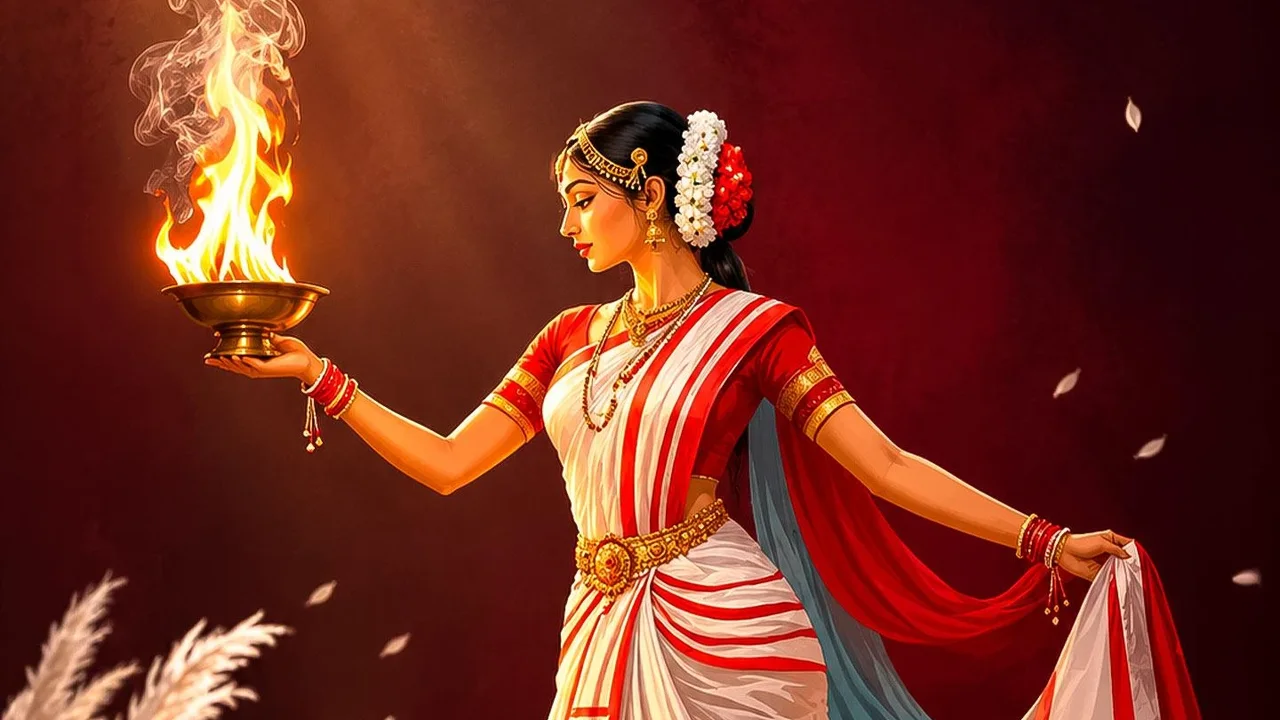
For Bengalis, Durga Puja is more than a religious festival; it is the grandest cultural celebration, and sweets, or 'mishti', are central to the experience. They are not merely for indulgence but are deeply woven into the fabric of the rituals and social
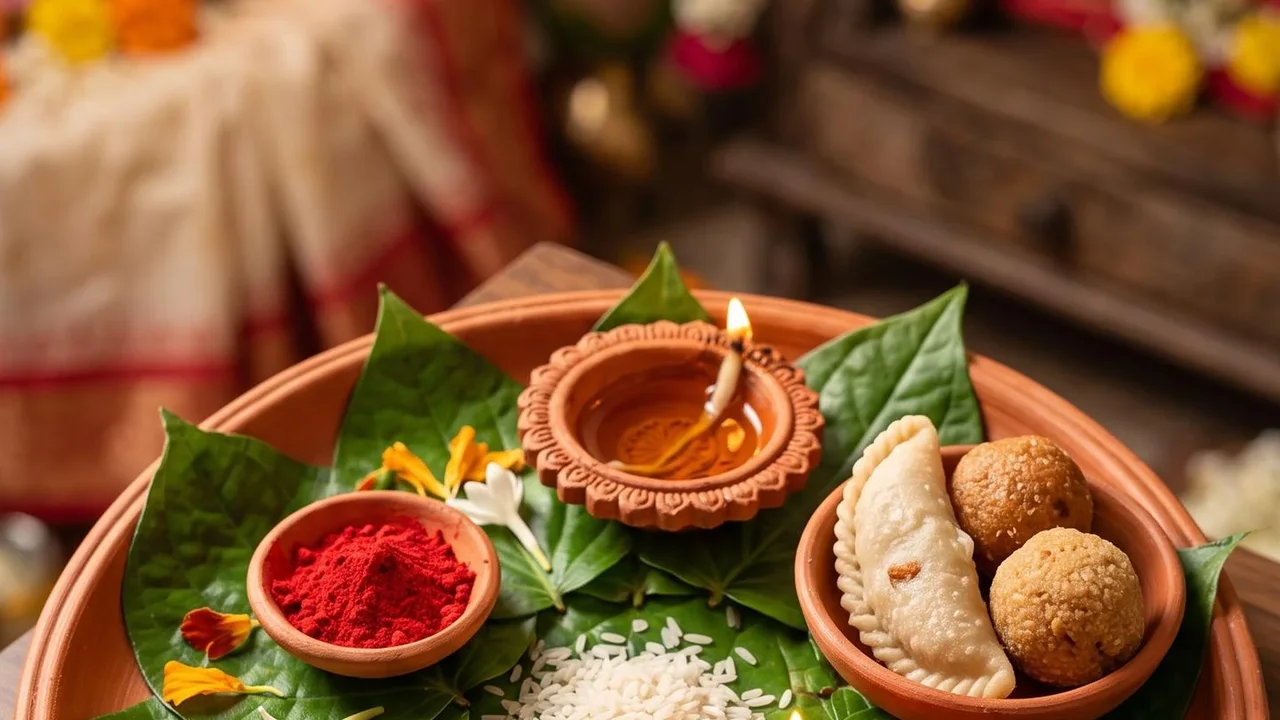
customs. Sweets are offered to the Goddess Durga as 'bhog' (a food offering), symbolising purity, devotion, and gratitude. This sacred offering is then distributed among devotees as 'prasad', believed to carry the blessings of the deity. Beyond the pandals, exchanging boxes of sweets is a non-negotiable gesture of warmth and goodwill when visiting friends and family. This act of sharing fosters a sense of community and togetherness that is the very essence of the festival.
The Allure of the Artisan Touch
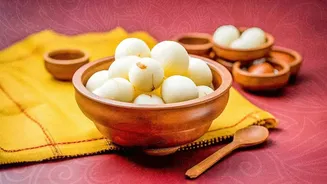
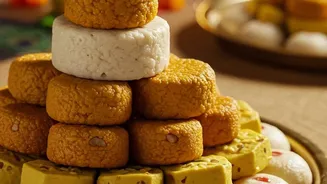
In an age of mass production, the term 'handcrafted' holds a special allure, and nowhere is this more true than in a Bengali sweet shop. Unlike machine-made sweets, which prioritize volume, handcrafted mishti is a labour of love and skill. Artisans, or 'karigars', dedicate themselves to perfecting textures and flavours, a process that requires patience and a deep understanding of ingredients. The key is often 'chhana', fresh cottage cheese, which is kneaded to a specific consistency to create the melt-in-your-mouth texture of iconic sweets like Sandesh and Rosogolla. This artisanal process allows for a subtlety of flavour and a delicate quality that machines cannot replicate, turning each sweet into a small piece of culinary art.
Nostalgia in Every Bite
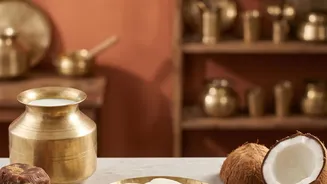
For many, the taste of a traditional Bengali sweet is a direct line to cherished memories. The flavour of 'Nolen Gur' (date palm jaggery), a seasonal delicacy, can instantly transport someone back to childhood winters. During Puja, this connection to heritage becomes even more potent. Sweets like 'narkel naru' (coconut laddoos) and 'pitha' (rice-based cakes) are often made in households, with recipes passed down through generations, preserving a family's culinary identity. For Bengalis living away from home, the ability to find these authentic, handcrafted tastes provides a powerful sense of connection to their roots, making the festive indulgence an act of nostalgic celebration.
New-Age Trends and Modern Twists
While tradition is the foundation, modern trends have also played a significant role in boosting the popularity of handcrafted sweets. The rise of social media has turned food into a visual feast, with platforms like Instagram transforming food bloggers into the new tastemakers. Beautifully crafted sweets make for highly shareable content, generating curiosity and driving customers to seek out these photogenic treats. Simultaneously, there is a growing appreciation for authenticity and local craftsmanship. Sweet makers are also innovating, creating fusion sweets like chocolate Sandesh or mango Pantuwa that appeal to a younger, more experimental palate while still honouring the traditional base. This blend of classic techniques and contemporary flavours keeps the mishti tradition vibrant and relevant.
The Economics of Festive Indulgence
The unprecedented demand during Puja week is a cornerstone of Bengal's massive festive economy. This surge in sweet sales provides a vital economic boost to thousands, from the milk suppliers to the skilled karigars and the neighbourhood shop owners. Some sweet shops report huge business during the festival days, with sales far exceeding normal periods. This year, some Puja pandals are even thematically celebrating the region's sweet-making legacy, further integrating mishti into the cultural and visual landscape of the festival. However, this boom is not without its challenges. Rising costs of raw materials like sugar and milk can put pressure on these artisans, who must balance affordability with their commitment to quality.