







First, What Is Your Lymphatic System?
Think of the lymphatic system as your body's silent clean-up crew. It's a vast network of vessels and nodes that runs alongside your blood circulatory system. Its main jobs are to balance fluid levels, help your immune system fight invaders, and clear
out cellular waste. But unlike your cardiovascular system, which has the heart as a powerful pump, the lymphatic system is passive. It relies entirely on muscle contractions, deep breathing, and general body movement to push its fluid, called lymph, around the body. When this system is stagnant, you might feel sluggish or notice some puffiness.
What Is 'Lymphatic Walking'?
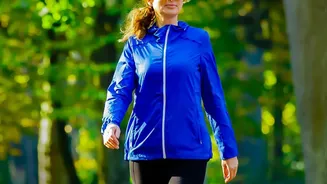
Despite the technical-sounding name, 'lymphatic walking' isn't a new, scientifically defined exercise. It’s essentially a rebranded term for a mindful, purposeful walk that incorporates elements known to support lymphatic flow. Most descriptions involve walking at a steady, comfortable pace with good posture, swinging your arms freely, and focusing on deep, diaphragmatic breathing. The core idea is that this combination of rhythmic muscle contraction and deep breathing acts as a natural pump for the lymphatic system. So, if you're already going for a brisk walk and not hunched over your phone, you're likely already doing it.
The Hype vs. The Reality
Social media videos often attach bold claims to lymphatic walking, from instant 'detoxing' to melting fat. These are significant overstatements. Your liver and kidneys are your body's primary detoxification organs, and no amount of walking can replace their function. Furthermore, lymphatic walking doesn't directly burn fat any more than regular walking does. Any immediate feeling of being 'lighter' is likely due to a temporary reduction in fluid retention, not actual fat loss. The real benefit isn't magic; it's physiology. Consistent walking genuinely helps move lymph fluid, which can help reduce mild bloating and support your immune system over time. Other forms of exercise like swimming, cycling, and yoga achieve the same goal.
Simple Ways to Enhance Your Walk
You don't need a special routine to support your lymphatic system, just good habits. First, focus on your breath. Try to take slow, deep belly breaths that engage your diaphragm; this change in pressure in your chest and abdomen helps pull lymph fluid upwards. Second, let your arms swing naturally from the shoulders. This movement helps stimulate lymph flow in the upper body. Third, pay attention to your feet. A smooth, heel-to-toe rolling motion activates your calf muscles, which are so effective at pumping fluid that they're sometimes called the body's 'second heart'. Finally, stay hydrated. Good hydration keeps lymph fluid moving smoothly.
Setting Realistic Goals and Expectations
The takeaway is not that 'lymphatic walking' is a myth, but that its benefits are the same as any good-quality, consistent walking practice. The trend's real value is that it encourages people to walk more mindfully, with better posture and breathing. Don't expect to see dramatic overnight changes in weight or body shape. Instead, aim for consistency. A 20 to 40-minute walk most days of the week is a fantastic and achievable goal. The reward won't be a quick fix, but a stronger, more resilient body with better circulation and improved overall health. Walking remains one of the most accessible and effective forms of exercise for a reason.