








Declare War on Dampness
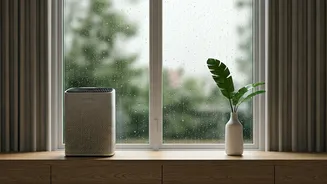
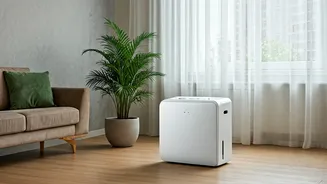
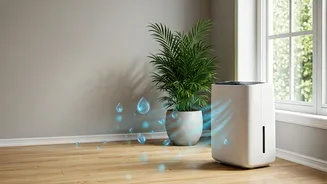
The single biggest challenge during the monsoon is managing humidity. When indoor humidity levels rise above 60%, it creates an ideal breeding ground for mould and dust mites. The most effective tool is a dehumidifier, especially in poorly ventilated
or high-moisture areas like bathrooms and kitchens. If you don't have one, you can use natural moisture absorbers. Bowls of charcoal briquettes or even baking soda can be placed in cupboards and small spaces to soak up excess moisture. Ventilation is also crucial. Open windows for a few hours on dry days or when the rain stops to allow fresh air to circulate. Using exhaust fans in the kitchen and bathroom can significantly reduce moisture buildup from cooking and showering.
Prevent Mould and Mildew Growth
Dampness and mould go hand-in-hand, posing risks to both your health and your home's structure. Be vigilant about checking for signs of mould—typically green, black, or white fuzzy patches—on walls, behind furniture, and in wardrobes. If you spot any, clean it immediately with a solution of white vinegar and water. To prevent its return, ensure problem areas stay dry. Keep furniture at least a few inches away from walls to allow for air circulation. When it comes to clothes, never store them if they are even slightly damp. Adding camphor tablets, neem leaves, or silica gel packets to your cupboards can help absorb moisture and repel mildew.
Keep Unwanted Pests Out
The monsoon is a prime time for pests like mosquitoes, ants, and termites to seek shelter indoors. The most critical step is to eliminate stagnant water, as even small puddles in pot plant trays or clogged gutters can become breeding grounds for mosquitoes. Seal any cracks or gaps in windows, doors, and walls to block entry points for crawling insects. For a natural deterrent, you can mop floors with a bit of rock salt in the cleaning water. A clean kitchen is your best defence against ants; store all food in airtight containers and don't leave crumbs out. For persistent issues, a professional pest control service before the season begins is a wise investment.
Protect Your Furniture and Belongings
The high moisture content in the air can wreak havoc on your belongings. Wooden furniture can swell and warp, while carpets and rugs become magnets for dampness and musty smells. It's a good practice to roll up expensive carpets and store them in a dry place for the season. For wooden furniture, regular wiping with a dry cloth is essential. Applying a coat of wax or varnish before the monsoon can create a protective barrier. To protect electronics from moisture-related damage, placing silica gel packets near them can help.
Breathe Easy with Better Air Quality
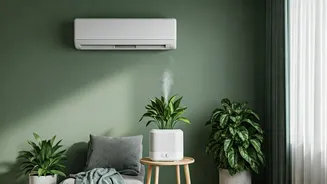
Indoor air can become stale and filled with allergens when homes are sealed up against the rain. Aside from mould spores, humidity traps pollutants and can exacerbate respiratory issues. Regular ventilation is key. Whenever the rain pauses, open windows on opposite sides of your home to create cross-ventilation and flush out stale air. Certain indoor plants, like peace lilies and snake plants, can help purify the air and manage humidity levels. For those with allergies or asthma, an air purifier can be a valuable addition to filter out airborne particles. Finally, using scented candles, incense, or essential oil diffusers can help combat musty odours and keep your home smelling fresh.