





Start with Your Itinerary, Not the Premium
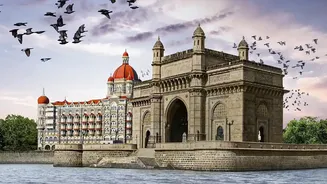
The cheapest policy is rarely the best. The right insurance depends entirely on your trip's specifics. Are you planning a city break in Mumbai, a beach holiday in Goa, or a high-altitude trek in Himachal? A city trip might prioritise coverage for flight
delays and water-logging issues, while a remote trek needs robust medical evacuation and accident coverage. Before you even look at insurance plans, list your primary activities and locations. This risk-first approach ensures you shop for coverage that actually matches your potential needs, rather than just buying a generic plan.
Decode Trip Disruption and Cancellation
This is the heart of monsoon travel insurance. Heavy rains can lead to cancelled flights, delayed trains, and roads blocked by landslides. Your policy document is the only source of truth here. Look for specific clauses on 'trip cancellation' and 'trip delay'. Does the policy cover cancellations due to weather? Most do, but only if a common carrier like an airline cancels the service. If a landslide blocks the road to your hotel but your flight still operates, you might not be covered unless the policy specifically includes such scenarios. Check the required delay time—many policies only trigger benefits after a delay of six hours or more.
Scrutinise Medical and Evacuation Cover
Monsoon increases health and safety risks. Slippery paths can lead to falls and injuries, while the risk of water-borne diseases like dengue and malaria rises. Your standard health insurance may not cover you adequately while travelling. A good travel policy must include hospitalisation cover. Even more critical for remote travel is 'Emergency Medical Evacuation'. This covers the cost of transporting you to a suitable medical facility, which could involve a helicopter rescue in mountainous areas—an expense that can be astronomical without insurance.
Check for Adventure Sports Add-Ons
Many monsoon getaways involve activities like trekking, white-water rafting, or paragliding. Standard travel insurance policies almost always exclude 'adventure sports' or have altitude limits (e.g., no cover for trekking above 3,000 metres). If your trip includes such activities, you must look for a policy that either covers them by default or offers an adventure sports add-on for an additional premium. Without this specific add-on, any injury sustained during these activities will likely not be covered, leaving you with the full medical bill.
Understand the 'Act of God' Clause
This term is frequently used but widely misunderstood. An 'Act of God' refers to a large-scale, unpredictable natural event outside of human control, such as a major flood, earthquake, or cyclone. While many policies cover damages from such events, the key is how it's defined and what's excluded. Importantly, insurance is for unforeseen events. If you buy a policy after a cyclone has been named and is forecasted to hit your destination, your claim for disruption will be rejected because it was a 'known event'. Always purchase your insurance at the same time you book your travel to ensure you are covered for events that develop later.
Review Baggage and Gadget Protection
Monsoon travel is tough on belongings. There's the risk of baggage being delayed during chaotic transit or, worse, water damage to your expensive electronics and documents. Check what the policy covers for baggage loss or delay. Most policies have a per-item limit and often exclude high-value electronics and cash from checked-in baggage coverage. If you're carrying a laptop, camera, and other gadgets, ensure you have adequate protection, either through your main policy or a specific gadget insurance add-on. Always carry valuables in your cabin baggage.