




Often called the 'Festival of Festivals', the Hornbill Festival is Nagaland's most spectacular cultural event. Get ready for ten days of vibrant tribal traditions, music, food, and art in December 2026. Here's what you need to know.
What is the Hornbill Festival?
The Hornbill Festival
is an annual ten-day event organised by the Government of Nagaland to showcase the state's incredible cultural richness. Started in the year 2000, its main purpose is to preserve Nagaland's diverse tribal heritage and encourage inter-tribal interaction. Named after the revered great hornbill bird, a symbol of grandeur in Naga folklore, the festival brings together all of the state's major tribes in one place. It's a unique opportunity for visitors to experience the distinct songs, dances, customs, and warrior traditions of the Naga people. The celebration takes place from December 1st to 10th every year, coinciding with Nagaland Statehood Day on December 1st.
A Spectacle of Cultural Performances
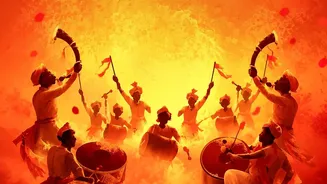
The heart of the festival lies in the main arena at the Naga Heritage Village in Kisama. Every day, troupes from Nagaland's different tribes perform in full ceremonial attire, which includes magnificent headgear, red-and-black shawls, and traditional jewellery. You can witness a stunning array of cultural displays, from powerful war dances and harvest songs to intricate rituals and folk tales passed down through generations. The air fills with the sound of log drums, battle cries, and throat singing, creating an unforgettable atmosphere. Each performance tells a story, offering a glimpse into the tribe's history and values, whether it's a Konyak headhunter dance or an Angami courtship ritual.
The World of Naga Crafts
The festival is a paradise for anyone interested in traditional arts and crafts. A dedicated Handloom and Craft Pavilion showcases the exceptional skill of Naga artisans. Here, you can browse and buy a vast range of handmade products. Look for the famous Naga shawls, with geometric patterns that signify the wearer's tribe and status, woven on traditional loin looms. The craft bazaar also features exquisite wood carvings, intricate beadwork, and a variety of items made from bamboo and cane, which grow abundantly in the region. You will find everything from furniture and storage baskets to delicate pottery and unique souvenirs.
More Than Music and Dance
Beyond the main arena, the festival grounds are buzzing with activity. One of the best ways to experience Naga culture up close is by visiting the 'morungs', which are traditional tribal huts. Each tribe has a life-sized morung where you can interact with elders, see demonstrations of weaving, and even taste 'zutho', the local rice beer. For the adventurous, there are indigenous games and sports, including Naga wrestling, archery, and the hilarious greasy-bamboo climbing competition. Don't miss the fiery Naga chilli eating contest or the food stalls offering delicious local cuisine like smoked pork with bamboo shoot and dishes made with 'axone' (fermented soybean).
Planning Your 2026 Trip
The Hornbill Festival is held at the Naga Heritage Village, Kisama, about 12 kilometres from Nagaland's capital, Kohima. The expected dates for 2026 are December 1st to 10th. The nearest airport and major railway station are in Dimapur, from where you can take a taxi to Kohima, a journey of about 2–3 hours. Accommodation in and around Kohima gets booked months in advance, so plan early. Options range from hotels in Kohima to homestays and campsites in nearby villages for a more immersive experience. Indian tourists from outside Nagaland will need an Inner Line Permit (ILP), which can be applied for online. It's recommended to spend at least two to three full days at the festival to absorb the experience without rushing.