





The Science of Staying Dry
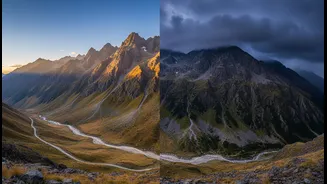
So, what exactly is a rain-shadow zone? It’s a dry area on the leeward (or downwind) side of a mountain range. When moisture-laden winds from the sea encounter a mountain, they are forced to rise. As the air ascends, it cools, and the moisture condenses
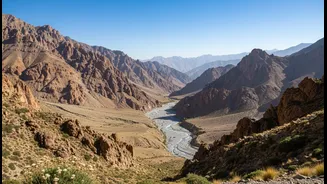
to fall as heavy rain on the windward side. By the time the air crosses the mountain peaks and descends on the other side, it has lost most of its moisture. This descending air warms up, further reducing humidity and creating a pocket of arid or semi-arid climate. India’s diverse topography, with the mighty Himalayas and the long stretch of the Western Ghats, creates several such zones, making them perfect, sunny escapes during the widespread monsoon.
Ladakh: The High-Altitude Desert
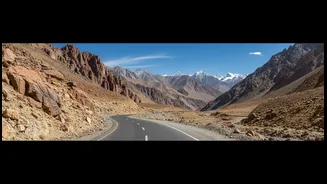
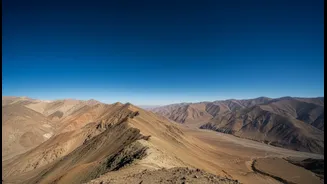
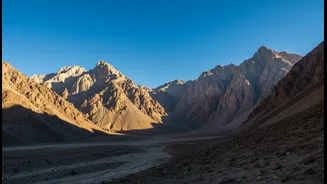
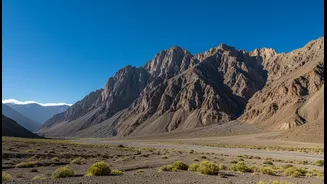
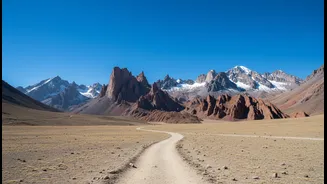
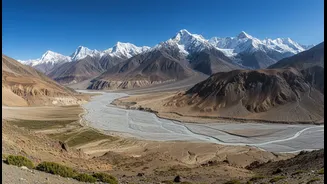
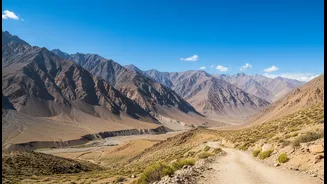
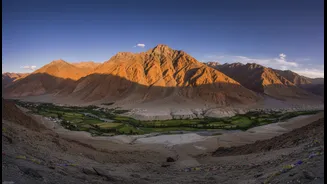
Shielded by the formidable Himalayan and Karakoram ranges, Ladakh is India's ultimate rain-shadow destination. While the rest of the country is drenched, Ladakh experiences clear blue skies, pleasant daytime temperatures of 20-30 degrees Celsius, and minimal rainfall. This makes the monsoon months, from late June to early September, an ideal time to visit. The approach roads via Manali or Srinagar can be challenging due to rains in the lower hills, but once you cross the high passes like Baralacha La, you enter a different, drier world. This season offers the advantage of fewer crowds at popular spots like Pangong Tso and Nubra Valley. It's the perfect time for monastery-hopping, trekking, and experiencing the stark, breathtaking beauty of this cold desert without the risk of heavy downpours.
Spiti Valley: A World Within a World
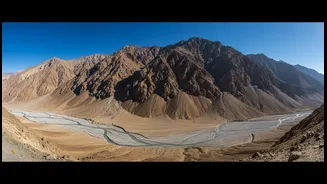
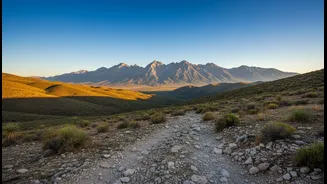
Much like Ladakh, Spiti Valley in Himachal Pradesh is a high-altitude cold desert that lies in a rain-shadow area, protected by the Pir Panjal and main Himalayan ranges. This means it receives very little rainfall during the monsoon months of July and August. While getting there can be an adventure, with the Shimla-Kinnaur route being more reliable but still prone to occasional landslides, the destination itself is a reward. The valley, with its ancient monasteries like Key and Tabo, dramatic landscapes, and unique Tibetan-Buddhist culture, becomes particularly accessible. The season sees a unique transformation where the barren landscape is dotted with patches of green and wildflowers, creating a surreal and photogenic contrast. It offers a peaceful and rugged alternative for those seeking solitude and adventure.
Coimbatore and its Surrounds: The Southern Surprise
Not all rain-shadow areas are in the Himalayas. The eastern side of the Western Ghats in Peninsular India also creates pockets of drier climate. Coimbatore in Tamil Nadu is a prime example. While the western slopes of the Ghats in neighbouring Kerala receive torrential rain, Coimbatore on the leeward side gets significantly less rainfall from the southwest monsoon due to the Palghat Gap. The city experiences a hot, semi-arid climate and while it does rain during this period, it is often in the form of moderate showers rather than the relentless downpours seen elsewhere. This makes it a viable base for exploring nearby hill stations like Ooty, which also sits in a gentler rain zone compared to the ghats further west. Travellers can enjoy lush landscapes and pleasant weather without their plans being completely washed out.