

What Are Microgreens, Really?
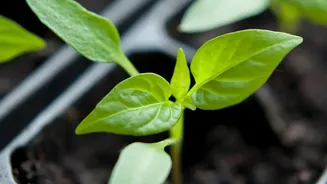
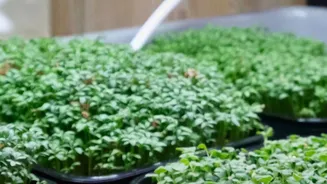
Microgreens are the young, tender seedlings of edible vegetables and herbs. Harvested just after the first true leaves have developed, they are not to be confused with sprouts, which are germinated seeds grown in water. Microgreens are grown in a medium
like soil or coco peat and require sunlight, which allows them to develop a much deeper flavour and a significantly more potent nutritional profile. Research has shown that microgreens can contain up to 40 times more nutrients like vitamins C, E, and K than their fully grown counterparts. This makes them a genuine superfood you can produce in a tiny space.
Your Windowsill: The Perfect Urban Farm
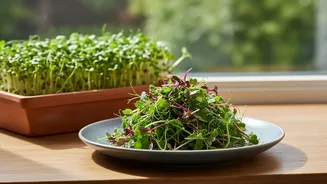
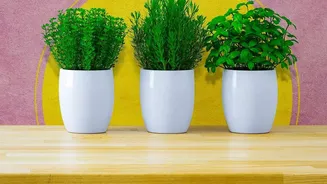
The beauty of growing microgreens is that it requires minimal space, making it ideal for apartment living. A windowsill that receives about four to five hours of indirect sunlight is the perfect location. Growing your own offers unparalleled freshness, a huge step up from store-bought greens that may have spent days in transit and storage. Many varieties popular in Indian cuisine, such as mustard (sarson), fenugreek (methi), radish (mooli), and coriander (dhaniya), are incredibly easy to grow as microgreens, offering a concentrated version of the flavours you already love.
Building Your Simple Harvesting Setup
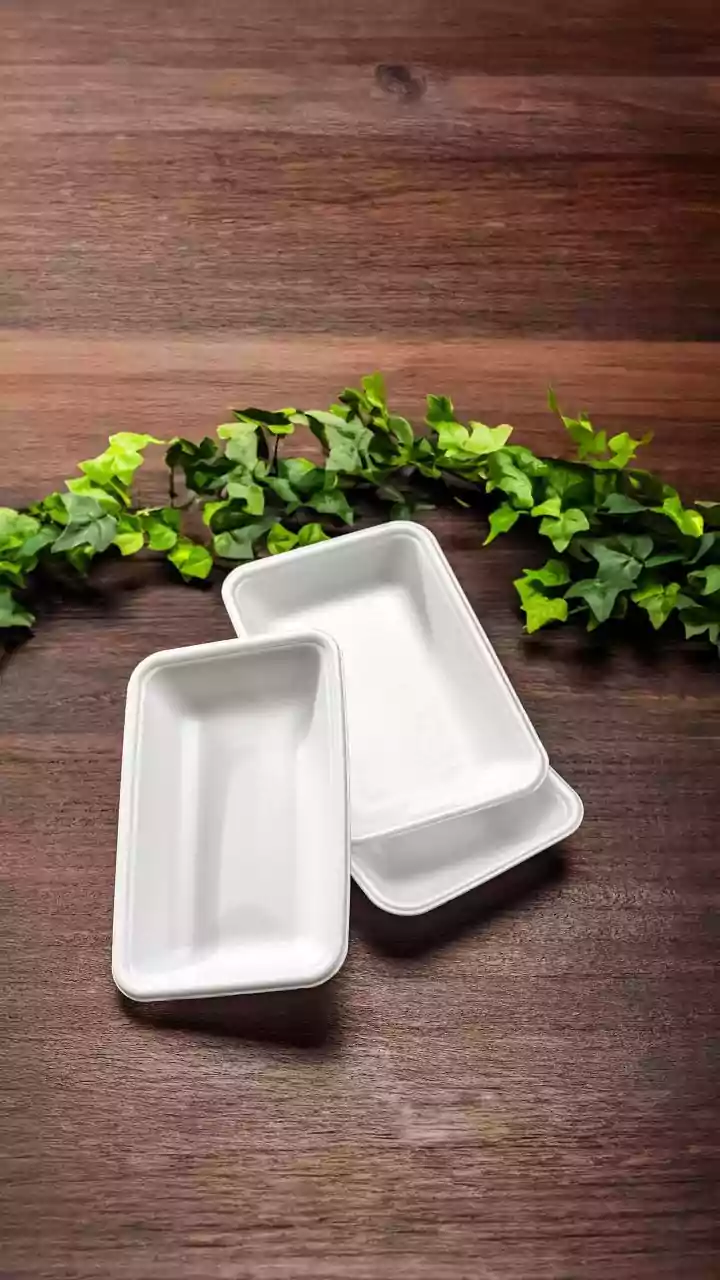
You don't need expensive, specialised equipment. In fact, you can start with a total investment of under ₹700. All you need is a shallow tray (a repurposed takeaway container works well), a growing medium, and seeds. Coco peat, a common and inexpensive choice in India, is an excellent medium because it's sterile and retains moisture well. For seeds, you can often start with the ones right in your masala dabba, like mustard or fenugreek, though buying seeds specifically labelled for microgreens is recommended to ensure they are untreated. Radish is widely considered the best for beginners due to its fast germination and forgiving nature.
A Quick Guide to Your First Harvest
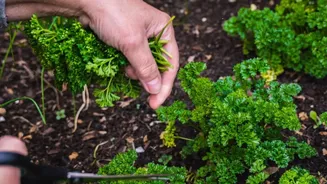
Growing microgreens is a fast and rewarding process. Fill your tray with about an inch of moist coco peat. Scatter the seeds densely and evenly over the surface. For the first few days, cover the tray to create a dark, humid environment that encourages germination. Once the seeds sprout and are about an inch tall, uncover them and move the tray to your sunny windowsill. Mist them with a spray bottle twice a day to keep them hydrated without waterlogging the roots. In just 7 to 14 days, depending on the variety, your greens will be 2-3 inches tall and ready to harvest. Simply take a pair of scissors and snip them just above the soil line.
Achieving the 'Zero-Waste' Promise
This method of home farming is inherently sustainable. By growing what you need, you eliminate the plastic packaging that comes with store-bought greens. Using repurposed containers for your trays further reduces waste. After harvesting, the spent coco peat and root mass are fully compostable, turning into valuable nutrients for other plants. This creates a closed-loop, zero-waste system within your own home. For those wanting to go a step further, biodegradable grow mats made from natural fibres like jute or hemp are also an excellent eco-friendly option.
From Harvest to Plate in Seconds
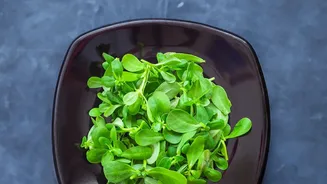
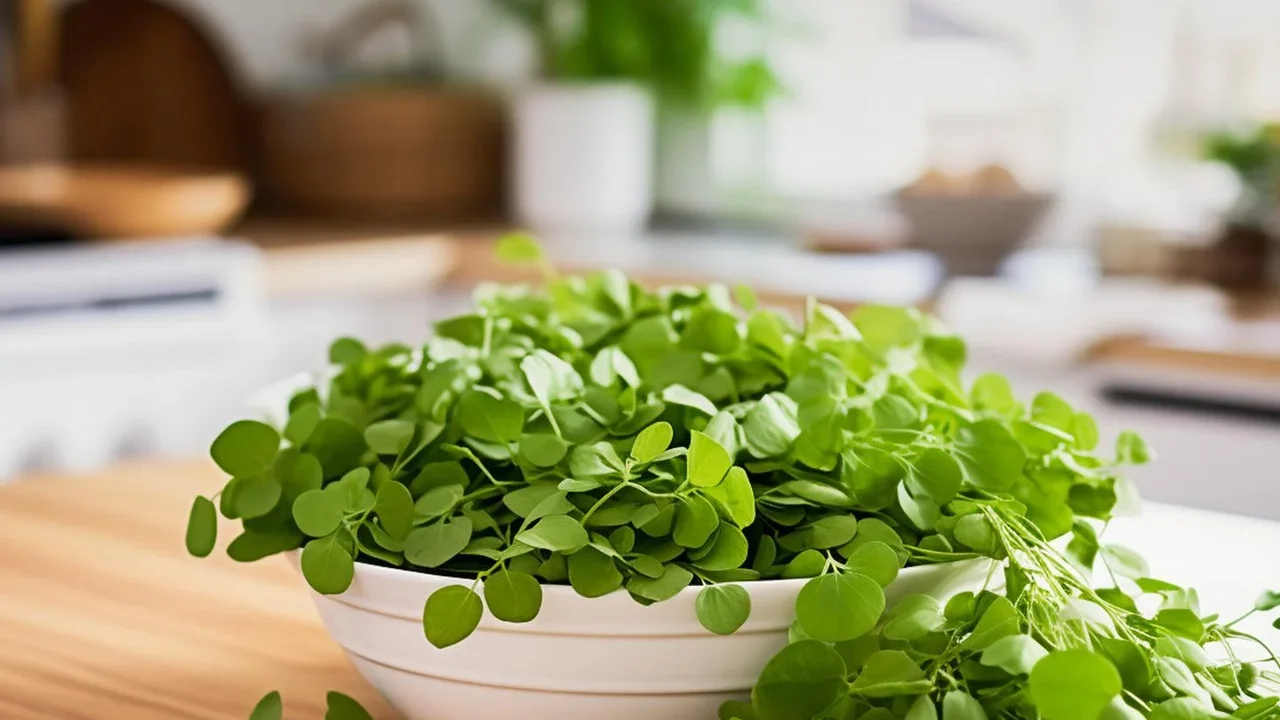
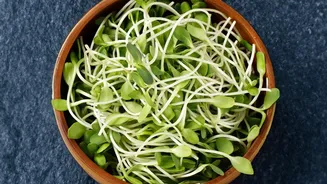
Now for the best part: enjoying your harvest. Microgreens are incredibly versatile and are best eaten raw to retain their full nutritional value and delicate texture. Add a handful of spicy radish or mustard microgreens to a sandwich or wrap for a peppery kick. Use nutty fenugreek microgreens as a garnish on dal, curries, or poha. Sweet and crunchy pea shoots or sunflower microgreens make a fantastic, textured base for a fresh salad. Their vibrant colours and intense flavours can elevate everyday dishes, turning a simple meal into a gourmet experience.