



Your Monsoon-Ready Vehicle Check
Before you even think about the destination, your first stop is your own driveway for a thorough vehicle inspection. The monsoon is notoriously tough on cars. Start with the most critical safety components. Your tyres are your only contact with the wet
road; ensure they have adequate tread depth—at least 3mm is recommended for good grip—and are properly inflated. Worn-out tyres significantly increase the risk of skidding or hydroplaning on slick surfaces. Next, inspect your windscreen wipers. If they leave streaks or make a chattering sound, replace them immediately. Clear visibility in a downpour is non-negotiable. Finally, test all your lights: headlights (both high and low beams), fog lamps, indicators, and brake lights. In heavy rain and fog, being visible to other drivers is just as important as being able to see.
Smarter Route and Weather Planning
Spontaneity is fun, but not when it comes to monsoon road-tripping. Choosing the right route is crucial. Popular destinations like the Western Ghats (Lonavala, Coorg, Munnar) or the Himalayan foothills (Kasauli) are stunning but can be prone to landslides. Always check the weather forecast from a reliable source like the India Meteorological Department (IMD) before you leave and for your destination. Use navigation apps like Mappls, which now integrate real-time alerts from the National Highways Authority of India (NHAI) on road works, accident-prone zones, and even landslide warnings. It’s also wise to talk to locals or check local travel advisories if you're heading to hilly or remote areas. They often have the most current information on road conditions that might not appear on a map. Plan to start your journey early in the morning and aim to reach your destination well before dark, as visibility drops dramatically in the evening rain.
Mastering the Art of Monsoon Driving
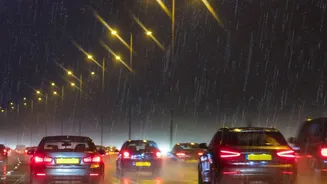
Driving on wet roads requires a different mindset. The first rule is to reduce your speed by at least 20-30% and double your following distance from the vehicle ahead. Wet roads can drastically increase your car's braking distance. Avoid sudden braking or acceleration, as this can cause you to lose traction. One of the biggest hazards is waterlogged roads. As a rule of thumb, if you can't see the road surface or the water appears to be deeper than half a foot, do not attempt to drive through it. If you must cross a shallow patch of water, stay in a low gear (like first or second) and keep the engine revs high to prevent water from entering the exhaust pipe. Never use cruise control on wet roads, as it can interfere with your ability to respond to hydroplaning.
The Essential Monsoon Emergency Kit
While a standard first-aid kit is always necessary, a monsoon-specific emergency kit can be a lifesaver. Your kit should include a powerful, waterproof torch with extra batteries, as a phone flashlight isn't enough. Pack a fully charged power bank, as networks can be unreliable in remote areas. Add a tow rope, jumper cables, and a portable tyre inflator. For personal comfort and safety, include an umbrella or poncho, a dry bag to protect electronics and documents, and a change of clothes. It’s also smart to carry non-perishable snacks like energy bars or nuts and plenty of drinking water in case you get stranded due to a road closure.
Health and Hygiene on the Go
The rainy season also brings a higher risk of waterborne illnesses. Be cautious about where you eat and drink. It's best to rely on bottled water and avoid street food that may have been prepared in unhygienic conditions or exposed to the elements. If you stop at a roadside dhaba or restaurant, opt for freshly cooked, hot meals. Packing some of your own dry snacks like thepla, khakra, or nuts can be a great backup. Also, ensure your first-aid kit is stocked with basics like antiseptic wipes, bandages, pain relievers, and medication for an upset stomach or motion sickness.