





The Core Financial Trade-Off
The decision to rent or buy is, at its heart, a financial one. Renting offers lower upfront costs and flexibility, making it ideal for those with short-term plans or who are new to the city. Buying, on the other hand, involves a significant down payment—typically
20% of the property's value—plus substantial additional charges, but allows you to build equity over time. A home loan EMI may seem comparable to monthly rent, but ownership comes with a host of other expenses that renters don't face. These include stamp duty (6-7%), registration fees, property taxes, society maintenance charges, and the costs of interior furnishing. Experts suggest these hidden costs can add 10-20% to the initial property price. However, homeowners also benefit from potential property appreciation, which has historically been around 6-8% annually in Pune, and tax deductions on their home loan.
Premium Hubs: Koregaon Park & Kalyani Nagar
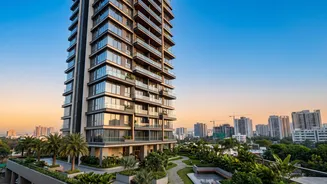
For those aspiring to a premium lifestyle, locations like Koregaon Park, Kalyani Nagar, and Baner are top choices. These areas boast high-end amenities, strong social infrastructure, and proximity to nightlife and cafes. Unsurprisingly, they also command the highest prices. Property rates in Koregaon Park can range from ₹14,500 to ₹18,000 per sq ft, with some luxury projects going even higher. Renting a 2BHK here can cost anywhere from ₹45,000 to ₹70,000 per month. In Kalyani Nagar, property prices are slightly lower, while a 2BHK rent is in the ₹30,000 to ₹45,000 range. Buying in these localities is a significant long-term investment, best suited for high-income professionals and those looking for a stable, high-quality living environment. Renting offers a taste of this lifestyle without the massive financial commitment.
IT Corridors: Hinjewadi, Wakad & Kharadi
Pune's identity as an IT powerhouse heavily influences its real estate market, with Hinjewadi, Wakad, and Kharadi at the epicentre. These areas have a constant influx of working professionals, ensuring strong rental demand. Hinjewadi, home to the Rajiv Gandhi Infotech Park, has one of the highest rental yields in the city, around 4%. Property prices here are in the mid-range, approximately ₹7,400 to ₹8,800 per sq ft. A 2BHK can be rented for about ₹18,000 to ₹35,000. Wakad offers a slightly more affordable entry point for buyers, with rates from ₹8,600 to ₹10,000 per sq ft, and is popular with families due to its connectivity. Kharadi, the 'Baner of East Pune', is another prime IT hub with property rates between ₹9,800 and ₹11,800 per sq ft and strong resale potential. For IT professionals planning a long-term stay of five years or more, buying in these zones can be a financially sound decision.
Emerging Suburbs: Wagholi & Undri
For first-time homebuyers and those on a stricter budget, the emerging suburbs on Pune's outskirts present a compelling case. Locations like Wagholi, Undri, Ravet, and Tathawade offer more affordable entry points into the property market. In Wagholi, property rates can be as low as ₹6,000 to ₹7,200 per sq ft, making it a popular choice for those working in the nearby Kharadi IT park but seeking lower costs. Similarly, Undri, near NIBM road, offers properties in the ₹6,200 to ₹7,400 per sq ft range. While buying here is significantly cheaper, these areas may still be developing in terms of social and civic infrastructure. Renting is also very affordable, with a 2BHK in Wagholi averaging around ₹22,900 per month. These locations offer the potential for high capital appreciation as infrastructure like the Pune Ring Road and Metro network expands.
Making the Final Calculation
There is no universal answer to the rent-versus-buy question in Pune; the optimal choice is deeply personal. If your career requires frequent relocation or you are unsure about your long-term plans in the city, renting provides crucial flexibility. This is especially true for those with a time horizon of less than five years, as transaction costs can erode the gains from buying. However, if you have a stable income, plan to stay in Pune for the long haul (seven years or more), and are ready for the financial responsibilities of ownership, buying a home can be a powerful tool for wealth creation. Before deciding, analyze your finances, career goals, and lifestyle preferences. Compare the potential EMI and other ownership costs in your target locality with the current rental rates to see which path aligns better with your financial future.