






The Changing Tides at Arthur Lake
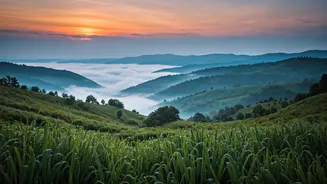
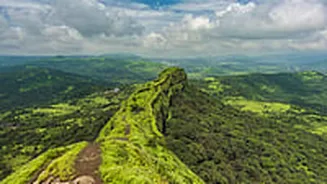
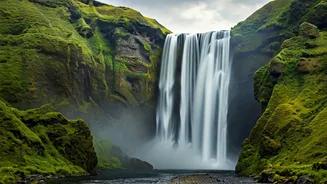
Bhandardara, with its sprawling Arthur Lake, ancient Wilson Dam, and cascading Umbrella Falls, has always been a jewel in Maharashtra's tourism crown. For years, it attracted droves of city dwellers seeking a quick, picturesque getaway. This often meant
traffic jams on weekends, blaring music from cars, and, unfortunately, a trail of plastic bottles, wrappers, and disposable plates left scattered across its pristine grasslands. The very beauty that drew people in was at risk of being consumed by their carelessness. However, a quiet but powerful shift is underway. The hills are alive, not with the sound of music, but with the conscious footsteps of a new generation of travellers.
Defining the 'Clean Eco-Tourist'
The term “clean eco-tourist” isn't just a buzzword; it describes a tangible change in behaviour. Reports from local vendors and homestay owners in the region paint a clear picture. These new visitors come equipped not just with cameras, but with their own reusable water bottles and cloth bags. They are the trekkers who meticulously pack their own food waste to carry back to the city. They are the families who are seen picking up not just their own litter, but also that left by others. This isn’t organised activism on a grand scale, but a collection of individual acts of responsibility. This surge is less about sheer numbers and more about the quality and mindset of the visitors who are now prioritising the preservation of the destination.
What's Driving This Conscious Shift?
Several factors are converging to fuel this positive trend. The post-pandemic world has instilled in many a deeper appreciation for nature and a desire for more meaningful, less crowded travel experiences. Furthermore, a wave of environmental awareness, amplified by social media, has made 'responsible travel' a badge of honour. Instagram feeds that once glorified party scenes at scenic spots now increasingly feature posts about 'plogging' (picking up litter while jogging or trekking) and 'Leave No Trace' principles. Local NGOs and trekking groups have also played a crucial role, consistently running clean-up drives and awareness campaigns that have slowly seeped into the collective consciousness of the travelling community.
The Local Impact and Economic Sense
This shift is a boon for the local community and ecosystem. When a destination remains clean, its natural allure is preserved, ensuring a steady stream of visitors for the long term. For local businesses, eco-tourists often prove to be more valuable. They are more likely to stay in local homestays rather than large resorts, eat at small family-run eateries, and hire local guides for treks, ensuring that the economic benefits of tourism are distributed more directly within the community. This creates a virtuous cycle: when locals see that preserving the environment leads to better, more sustainable livelihoods, they become its most passionate guardians. This fosters a partnership between visitors and residents, both working to protect the place they love.
How to Join the Movement
Becoming a 'clean eco-tourist' at Bhandardara—or anywhere else—is simpler than it sounds. It begins with the 'pack in, pack out' philosophy: whatever you take with you, make sure it comes back with you, especially non-biodegradable waste. Opt for reusable bottles and containers to minimise plastic use. Respect the local culture by dressing modestly and interacting politely. Support the local economy by choosing homestays and local food stalls. Keep noise levels down to avoid disturbing wildlife and the serene atmosphere. The goal is simple: to experience the beauty of a place without diminishing it for those who come after you.