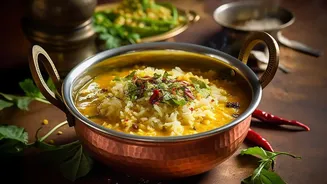





Dive into the heart of Indian comfort food with a dish that balances rich flavour with wholesome nutrition. Spiced urad dal curry is more than a meal; it's a versatile staple waiting to transform your everyday cooking with its creamy texture.
The Humble Power of Urad Dal
Urad dal,
or split black gram, is a cornerstone of Indian cuisine, beloved for its uniquely rich and creamy texture when cooked. Unlike lighter dals, urad has a satisfying heft and a subtle, earthy flavour that makes it incredibly comforting. It’s also a nutritional powerhouse, packed with protein, iron, and dietary fibre, making it an excellent choice for vegetarians and anyone looking to add a healthy, hearty element to their daily diet. Its ability to absorb spices and aromatics makes it the perfect canvas for a flavourful curry that feels both indulgent and nourishing, moving beyond a simple side dish to become the star of your dinner table.
Gather Your Core Ingredients
To create this delightful curry, you’ll need a few key components. For the dal itself, you will need one cup of split urad dal, thoroughly rinsed and soaked for at least 30 minutes. The foundation of the curry's flavour comes from a simple masala paste: one large onion, two ripe tomatoes, a one-inch piece of ginger, and three to four cloves of garlic, all finely chopped or blended. The spice mix is crucial for warmth and depth; gather one teaspoon of turmeric powder, one teaspoon of red chilli powder (adjusted to your taste), and one tablespoon of coriander powder. Salt will be to taste. Finally, for the finishing touch, you will prepare a 'tadka' or tempering.
The Art of the Tadka
The tadka, or tempering, is a non-negotiable final step that elevates the dal from good to exceptional. It involves frying whole or ground spices in hot oil or ghee to unlock their essential oils and deepest flavours. This aromatic mixture is then poured over the cooked dal just before serving. For this urad dal curry, a classic tadka works beautifully. Heat two tablespoons of ghee in a small pan. Once hot, add half a teaspoon of cumin seeds and let them sizzle. Follow with a pinch of asafoetida (hing) and one or two dried red chillies. Sauté for just a few seconds until fragrant, being careful not to burn the spices. This simple act infuses the entire dish with a smoky, complex aroma that ties all the flavours together.
Step-by-Step to Perfection
Begin by pressure cooking the soaked urad dal with three cups of water and the turmeric powder for about 15–20 minutes, or until it is completely soft and mashable. While the dal cooks, prepare the masala. Heat a tablespoon of oil or ghee in a separate pan, add the chopped onions, and sauté until they turn golden brown. Add the ginger and garlic, cooking for another minute until the raw smell disappears. Next, add the chopped tomatoes along with the coriander and red chilli powder. Cook this mixture until the tomatoes soften and the oil begins to separate from the masala. Once the dal is cooked, lightly mash it with the back of a spoon for a creamier consistency. Pour the prepared masala into the cooked dal, add salt, and let it simmer on low heat for 10–15 minutes, allowing the flavours to meld beautifully. Finally, pour the hot tadka over the simmering dal, stir once, and turn off the heat.
Everyday Twists and Serving
The beauty of this dish is its adaptability for everyday cooking. For a simpler, quicker version on a weeknight, you can use a pre–made ginger–garlic paste and canned tomato purée. To make it even healthier, feel free to add chopped spinach or fenugreek leaves (methi) to the simmering dal. For a richer, more restaurant–style flavour on special occasions, a swirl of fresh cream can be added at the end. This urad dal curry pairs perfectly with fluffy basmati rice, which soaks up the creamy gravy wonderfully. It also goes well with whole wheat roti or naan for a complete and satisfying meal. A side of plain yogurt or a simple kachumber salad (chopped cucumber, onion, and tomato) can provide a cool, fresh contrast to the warm, spiced dal.